


Halitosis—or bad breath—is a common concern in Ontario, CA, often caused by poor oral hygiene, diet, or medical conditions. Identifying the root cause is essential for effective treatment. This article summarizes causes, practical home remedies, and professional options at Beautiful Smiles Ontario to help patients improve oral health and confidence.
What Are the Primary Causes of Bad Breath in Ontario Residents?
Bad breath has multiple sources, mainly oral hygiene and diet. Oral bacteria break down food and produce volatile sulfur compounds that cause odour. Dry mouth (xerostomia) reduces saliva needed to clear debris. Respiratory infections or gastrointestinal issues may also contribute.
How Does Oral Hygiene Affect Bad Breath?
Good oral hygiene prevents halitosis. Brushing and flossing remove food and plaque that harbour bacteria; cleaning the tongue removes additional debris. Without care, plaque and tartar build up, leading to gum disease and worse breath. A consistent routine maintains freshness.
Which Foods Commonly Contribute to Bad Breath?
Some foods affect breath. Garlic, onions and spicy dishes release odorous compounds. High-sugar foods feed bacteria and can worsen halitosis. Eating apples, carrots or yogurt can help neutralize odours and support oral health.
How Can Home Remedies Help Manage Bad Breath Effectively?
Simple home measures reduce bad breath: daily tongue scraping, interdental cleaning and staying hydrated all lower oral bacteria and debris to keep the mouth cleaner and breath fresher.
What Tongue Cleaning Methods Reduce Oral Bacteria?
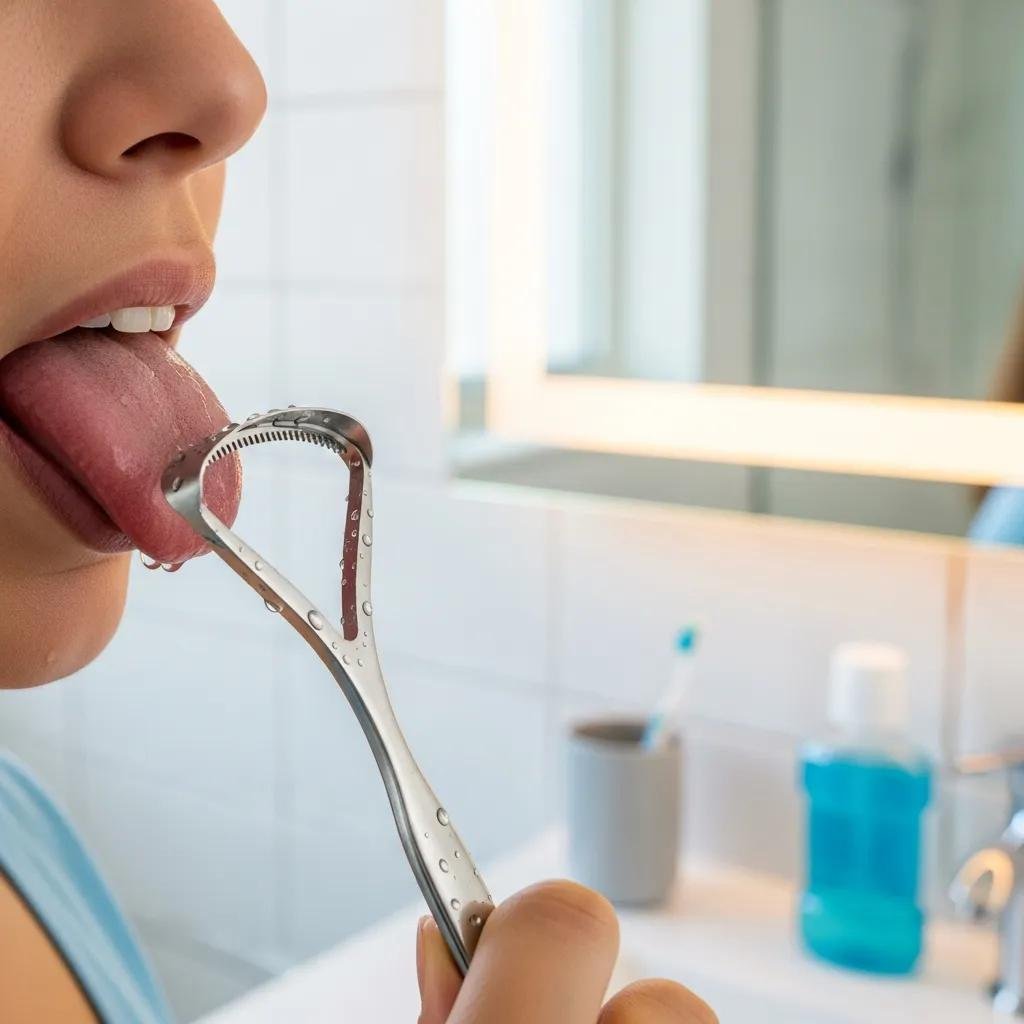
Use a tongue scraper or soft toothbrush to gently remove debris and bacteria from the tongue. An antimicrobial mouth rinse can further reduce breath-causing bacteria. Regular tongue care often leads to noticeable improvements.
Recent research has also explored probiotics to rebalance oral bacteria and reduce halitosis.
Probiotic Technology for Oral Health and Halitosis Management
Probiotic technology represents a breakthrough approach to maintaining oral health by using natural beneficial bacteria, commonly found in healthy mouths, to provide a natural defense against those bacteria which are thought to be harmful to teeth and gums. This article endeavors to introduce the concepts of probiotics in periodontics.Keywords:Probiotics, Synbiotics, Periodontitis, Bacterial replacement therapy, Halitosis
Probiotics and periodontal health, G Gupta, 2011
Which Lifestyle Changes Support Long-Term Breath Freshness?

Lifestyle changes that support breath include a reliable oral care routine, regular dental check-ups, a diet rich in fruits and vegetables, avoiding tobacco, and limiting alcohol. These habits help maintain fresher breath over time.
Professional Dental Treatments for Persistent Bad Breath
Beautiful Smiles Ontario offers evaluations and targeted treatments for halitosis, including professional cleanings, periodontal therapy when needed, and patient education on home care to address root causes and support lasting oral health.
How Does Gum Disease Management Improve Breath Quality?
Managing gum disease improves breath. Plaque causes gum inflammation and infection that produce malodour. Professional cleanings and periodontal therapy remove plaque and tartar, lower infection risk and restore gum health, which is linked to fresher breath.
When Should Patients Seek Emergency Dental Care for Persistent Bad Breath?
Seek urgent dental care for persistent bad breath with severe gum pain, marked swelling or bleeding. These signs can indicate serious problems that need prompt treatment to avoid complications.
How Can Patients Schedule and Prepare for Bad Breath Treatment at Local Dental Clinics?
Scheduling care is straightforward: find a dentist online or via recommendations, bring an accurate medical history, and continue your normal oral hygiene before the visit so the clinician can evaluate effectively.
What Are the Benefits of Personalized Care at Beautiful Smiles Ontario?
Beautiful Smiles Ontario provides personalised care using advanced technology to improve comfort and outcomes. Protocols aim to minimise discomfort and deliver comprehensive, tailored treatment that helps patients feel confident throughout care.
How to Easily Book Appointments for Bad Breath Evaluation in Ontario, CA?
To book an evaluation, contact Beautiful Smiles Ontario directly and verify insurance in advance. Maintain good oral hygiene before the visit to help the dental team provide effective care.
Frequently Asked Questions
What are the signs that indicate I might have bad breath?
Signs include a persistent unpleasant mouth odour, a dry or coated tongue, and an ongoing bad taste. Others may avoid close conversation or tell you. Repeated comments or worry warrant reviewing oral hygiene and seeing a dental professional if needed.
Can certain medications contribute to bad breath?
Some medications cause dry mouth and raise halitosis risk—examples include certain antihistamines, antidepressants and blood-pressure drugs. Saliva clears food and bacteria; discuss alternatives or management with your provider if a medication affects your breath.
How often should I visit the dentist to prevent bad breath?
Most patients should have dental check-ups and cleanings at least twice a year. Regular visits let clinicians detect gum disease or tooth decay that cause halitosis. Your dentist may suggest more frequent care for specific concerns.
Are there specific mouthwashes that can help with bad breath?
Look for mouthwashes with antibacterial agents such as chlorhexidine or cetylpyridinium chloride. Products with essential oils or zinc can neutralize odours. Prefer alcohol-free options to avoid drying the mouth. Ask your dentist for a recommendation.
Can stress or anxiety affect my breath?
Stress and anxiety can reduce saliva, promote mouth breathing or neglect of oral care, and worsen breath. Managing stress with relaxation, exercise and maintaining daily oral hygiene helps limit these effects.
What role does hydration play in preventing bad breath?
Hydration supports saliva production for clearing food and bacteria. Adequate fluids reduce dry mouth, a common cause of halitosis. Aim to drink water regularly and carry a bottle to stay hydrated, especially in dry conditions.
Conclusion
Managing bad breath means finding its cause and using practical remedies—from improved oral hygiene to dietary changes. Combining home care with professional treatment improves breath and oral health. Take proactive steps to protect confidence and well‑being; schedule an evaluation at Beautiful Smiles Ontario for personalised guidance.