
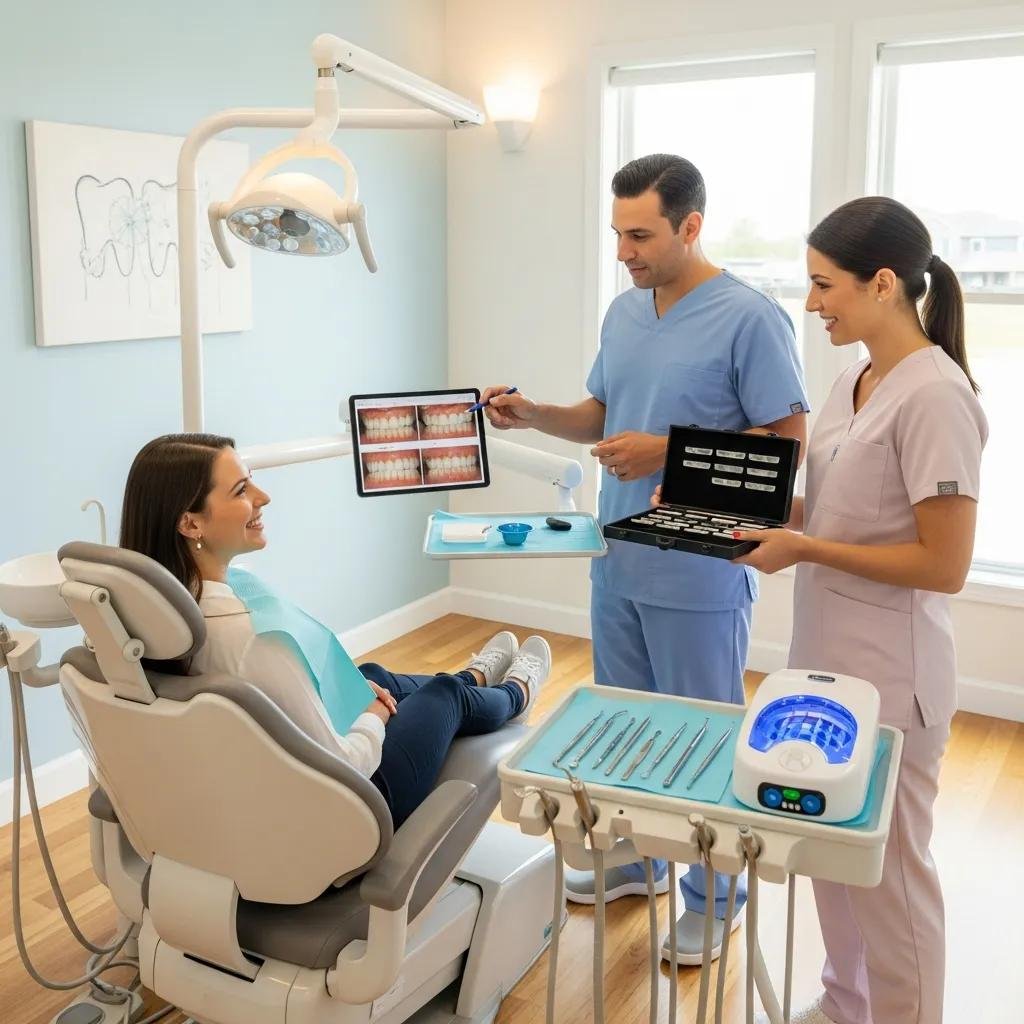
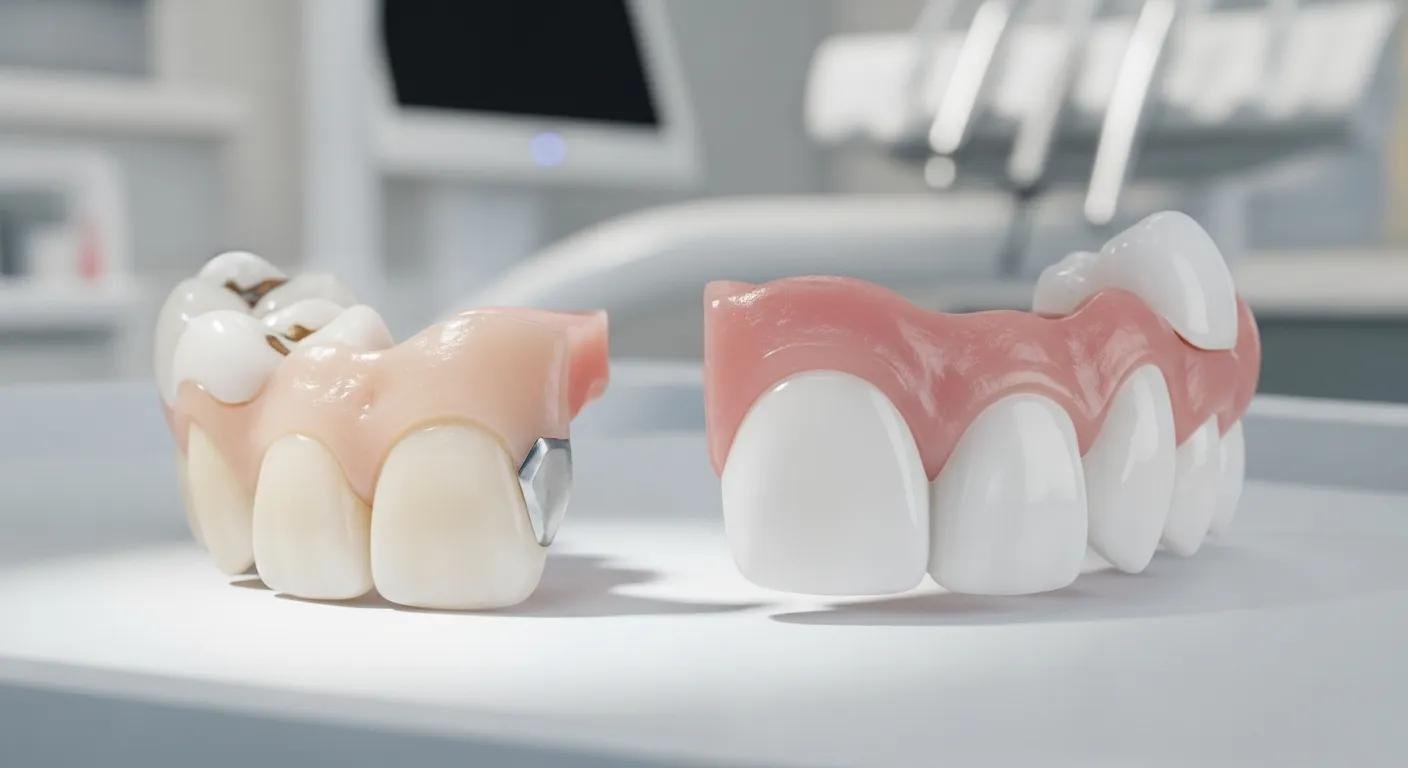
Deciding between dental bonding and veneers is an important step in cosmetic dentistry. Both improve appearance but serve different needs. This article explains procedures, typical costs, expected longevity, and the main pros and cons to help you choose the best option for your dental and aesthetic goals.
Dental Bonding vs. Veneers: Understanding Your Cosmetic Options
Dental bonding and veneers are cosmetic treatments to improve tooth appearance. Bonding applies a tooth-colored resin to repair or reshape teeth; veneers are thin porcelain or composite shells that cover the front surface. Both can address discoloration, chips and gaps but differ in preparation, technique and durability.
Modern adhesive techniques enable more conservative approaches for both treatments.
Dental Bonding vs. Veneers: Adhesive Techniques & Conservative Strategies
AbstractThe advent of adhesive techniques has shifted dental restoration toward highly conservative strategies, emphasizing preservation of natural tooth structure to maintain oral health and reduce future interventions. In managing dental wear, additive methods offer predictable outcomes while safeguarding the longevity of restored teeth. Direct restorations are suitable for minor to moderate lesions due to their reversibility and cost-effectiveness, whereas deeper or functionally and esthetically significant defects often require indirect solutions. Minimally invasive approaches, particularly ceramic veneers, prioritize enamel preservation and aim to minimize unnecessary tissue removal. For severe anterior wear, three adhesive strategies stand out: the bilaminate approach (palatal and vestibular veneers), V-shaped veneers, and 360-degree peripheral veneers. This two-part article reviews these techniques, clarifying their indications and methodology through scientific evidence and det
Bilaminate approaches and V-shaped and 360-degree veneers. Different adhesive restoration methods in the treatment of severe anterior wear: Part 1, E Dursun, 2026
How Does the Dental Bonding Procedure Work?
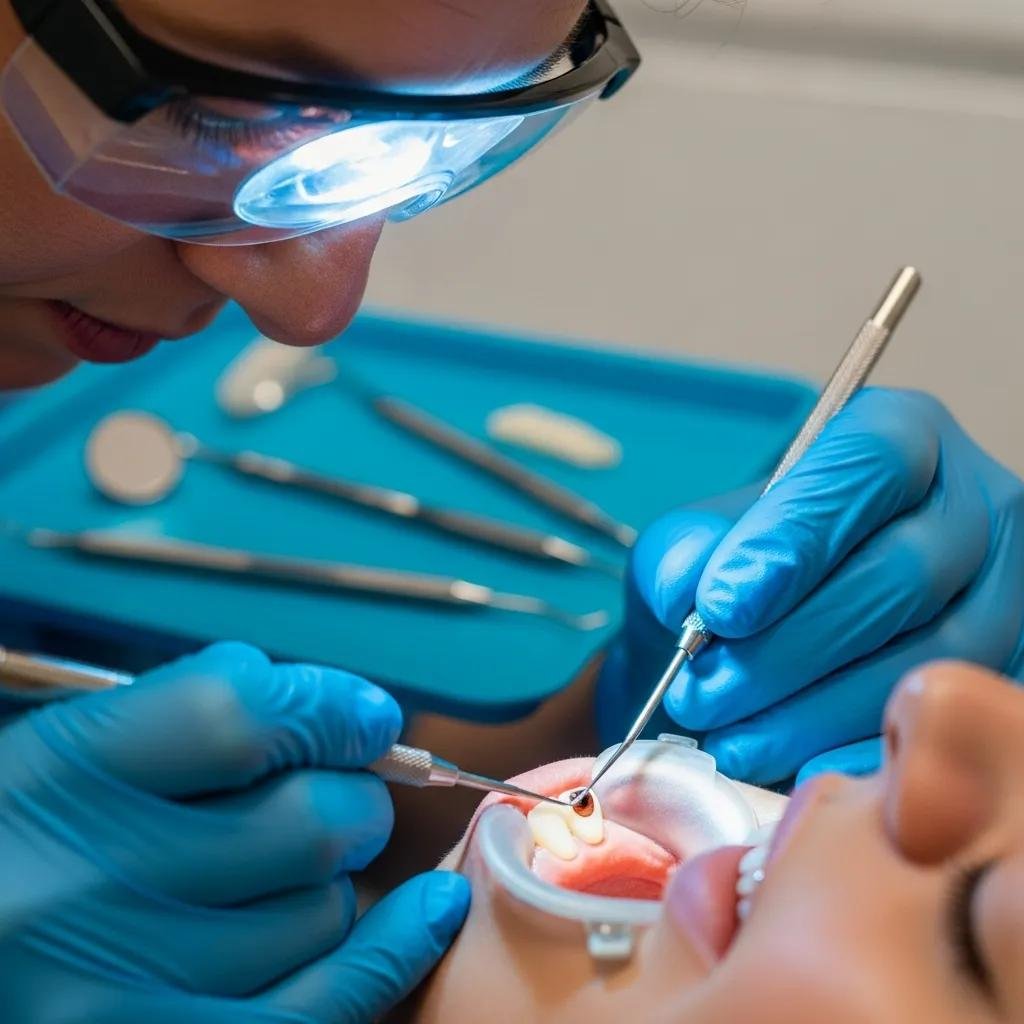
Bonding is typically completed in one visit. The tooth is cleaned and conditioned, a tooth-colored resin is sculpted to match adjacent teeth, then cured with a light. The technique is less invasive than veneers and often requires no anesthesia.
What Materials Are Used in Porcelain Veneers?
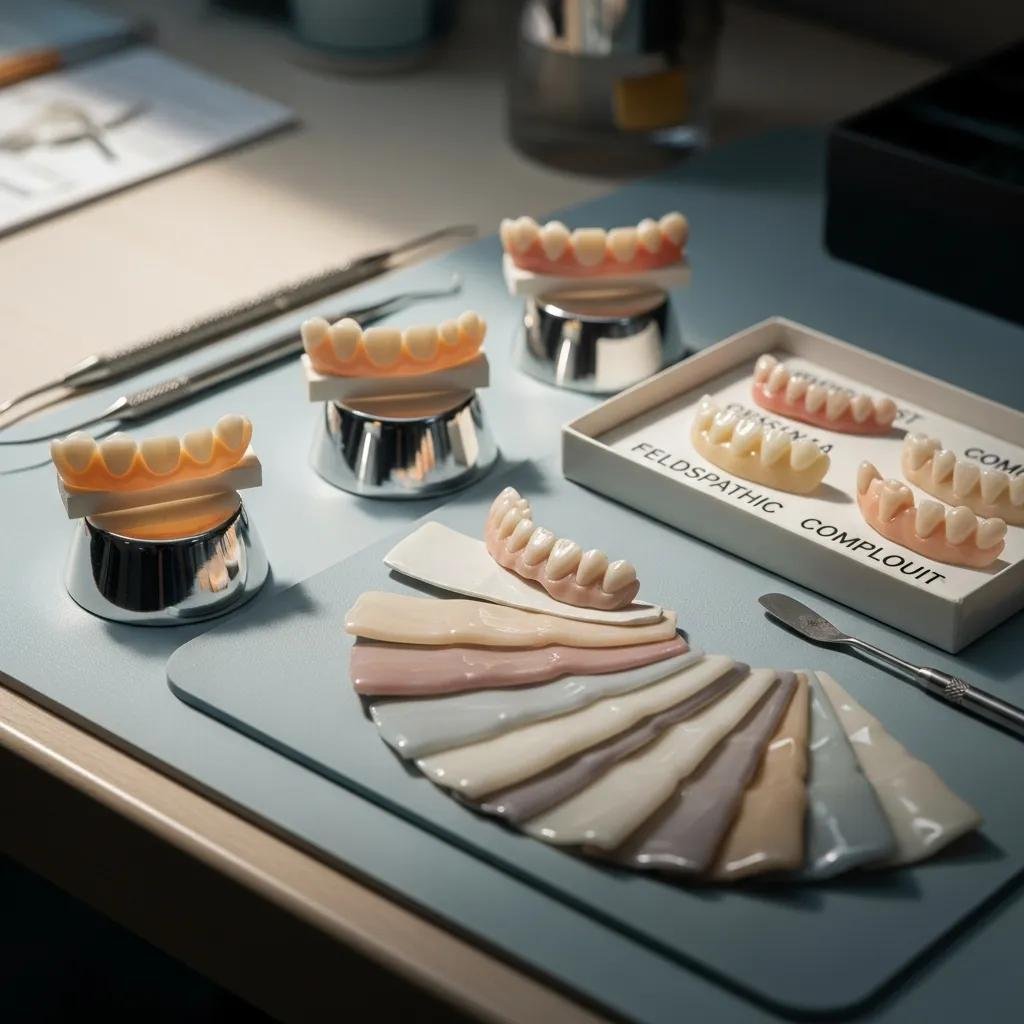
Porcelain veneers are made from ceramics such as feldspathic porcelain, selected for translucency and enamel-like light reflection. These materials resist staining and, with modern fabrication, provide a durable, natural appearance. Material choice affects the final aesthetic and functional outcome.
Feldspathic Ceramics: Properties, Indications, and Limitations
This is the second part of a five-part series exploring the main ceramic materials used for the fabrication of all-ceramic restorations to aid clinicians in their selection. Feldspathic ceramics have been a desirable choice for over 200 years due to their favourable optical properties. However, the physical properties of the material have been its downfall, rendering it unsuitable in posterior regions. By going into further depth of feldspathic ceramic properties, clinicians will be able to gain a better understanding of their indications as they still have a place within modern dentistry.
Do you know your ceramics? Part 2: feldspathic ceramics, 2022
How Do Dental Bonding and Veneers Compare in Cost and Longevity?
Cost and longevity are key factors. Bonding usually costs $300–$600 per tooth; porcelain veneers typically range $800–$2,500 per tooth, reflecting greater preparation and material costs.
What Is the Average Cost of Dental Bonding in Ontario?
In Ontario, bonding commonly costs $300–$600 per tooth. Prices vary with clinician experience, procedure complexity and chosen materials, making bonding a more accessible cosmetic option for many patients.
How Long Do Veneers Last Compared to Dental Bonding?
Veneers typically last about 10–15 years; bonding lasts 3–10 years depending on hygiene, function and location. Bonding offers a quicker correction, while veneers provide longer-lasting aesthetic results.
What Are the Pros and Cons of Dental Bonding and Veneers?
Both options offer clear advantages and have limitations that should be weighed before selecting treatment.
What Are the Benefits and Risks of Dental Bonding?
Dental bonding offers several benefits:
- Cost-Effective: Bonding is generally less expensive than veneers.
- Quick Procedure: The process can often be completed in one visit.
- Minimally Invasive: Bonding usually requires little or no tooth reduction.
However, bonding has limitations, including:
- Less Durability: Bonding materials may chip or stain more easily than porcelain.
- Shorter Lifespan: Bonding generally lasts less time than veneers.
What Are the Advantages and Limitations of Veneers?
Veneers offer several advantages:
- Natural Appearance: Porcelain veneers closely mimic natural teeth.
- Stain Resistance: They are less likely to stain than bonding materials.
- Long-Lasting: Veneers can last up to 15 years with proper care.
However, veneers also have drawbacks:
- More Expensive: Costs are significantly higher than bonding.
- Invasive: The procedure often requires irreversible tooth reduction.
How Can Patient Suitability and Dental Anxiety Influence Your Choice?
Patient suitability and dental anxiety influence recommended treatment. Consider tooth condition, budget and comfort with dental procedures when evaluating options.
Who Is Best Suited for Dental Bonding?
Bonding suits patients seeking a rapid, cost-effective fix for minor cosmetic concerns, such as small chips or mild discoloration, and those who prefer a less invasive approach.
How Do Veneers Address Patient Comfort and Aesthetic Goals?
Veneers are suited to patients seeking a long-term solution for more significant aesthetic issues like severe discoloration, misalignment or gaps. Patients who prioritise a natural appearance and are willing to invest often prefer veneers for their durability and refined results.
Frequently Asked Questions
1. What is the recovery time after getting dental bonding or veneers?
Recovery after bonding is minimal and most patients resume normal activity immediately. After veneer placement, mild sensitivity to hot or cold is common for a few days; follow your dentist’s post-procedure advice for best results.
2. Can dental bonding be repaired if it chips or breaks?
Yes. Minor chips or fractures can often be repaired by adding and shaping resin. The success of repairs depends on damage extent and patient care. Regular check-ups help maintain restorations.
3. Are there any dietary restrictions after getting veneers?
Avoid hard or sticky foods for several days to allow bonding to stabilise. Nuts, hard candies and chewing gum can stress veneers. After the initial period most patients resume a normal diet; check with your dentist for personalised advice.
4. How do I maintain my dental bonding or veneers?
Maintain restorations with regular brushing and flossing, a soft-bristled brush and non-abrasive toothpaste. Routine dental exams monitor restorations. Limiting staining foods and drinks helps preserve appearance.
5. Can I whiten my teeth if I have dental bonding or veneers?
Whitening does not change the color of bonding or veneer materials. If you plan to whiten natural teeth, consult your dentist first; whitening is usually done before adjusting or replacing restorations for a uniform result.
6. How do I choose between dental bonding and veneers?
Choice depends on the extent of cosmetic issues, budget and priorities. For minor imperfections and lower cost, bonding may be suitable. For more significant concerns needing durability and a natural look, veneers are often preferred. A cosmetic dentist consultation will identify the best approach.
7. Are there any alternatives to dental bonding and veneers?
Alternatives include crowns for strength and protection; teeth whitening for discoloration; and orthodontics (braces or clear aligners) for alignment. Discuss options with your dentist to determine the best course.
Conclusion
Choosing between dental bonding and veneers affects your smile and confidence. Understanding cost, longevity and suitability helps you make an informed decision. Whether you prefer the quicker, lower-cost bonding or the longer-lasting look of veneers, both can enhance appearance. Consult a qualified cosmetic dentist to determine the best solution for your needs.