
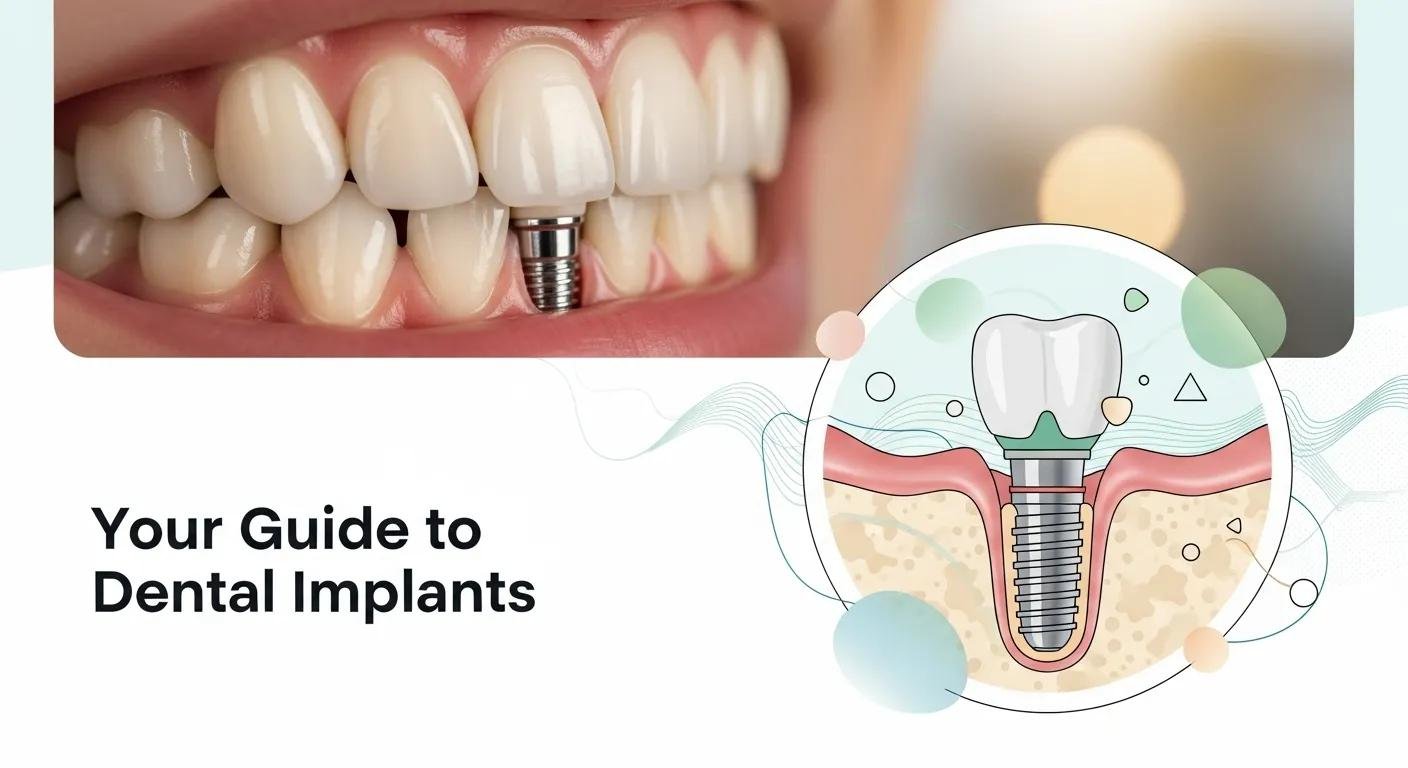
Dental implants restore smiles and function. This guide summaries the procedure, recovery, possible complications, and costs to help patients make informed decisions and schedule care at Beautiful Smiles Ontario.
What Are the Key Steps in the Dental Implant Surgery Process?
The implant process follows a clear sequence: consultation and assessment, surgical placement of the implant post, a healing period for osseointegration, then attachment of an abutment and final crown to restore the tooth.
How Is the Pre-implant Consultation and Evaluation Conducted?
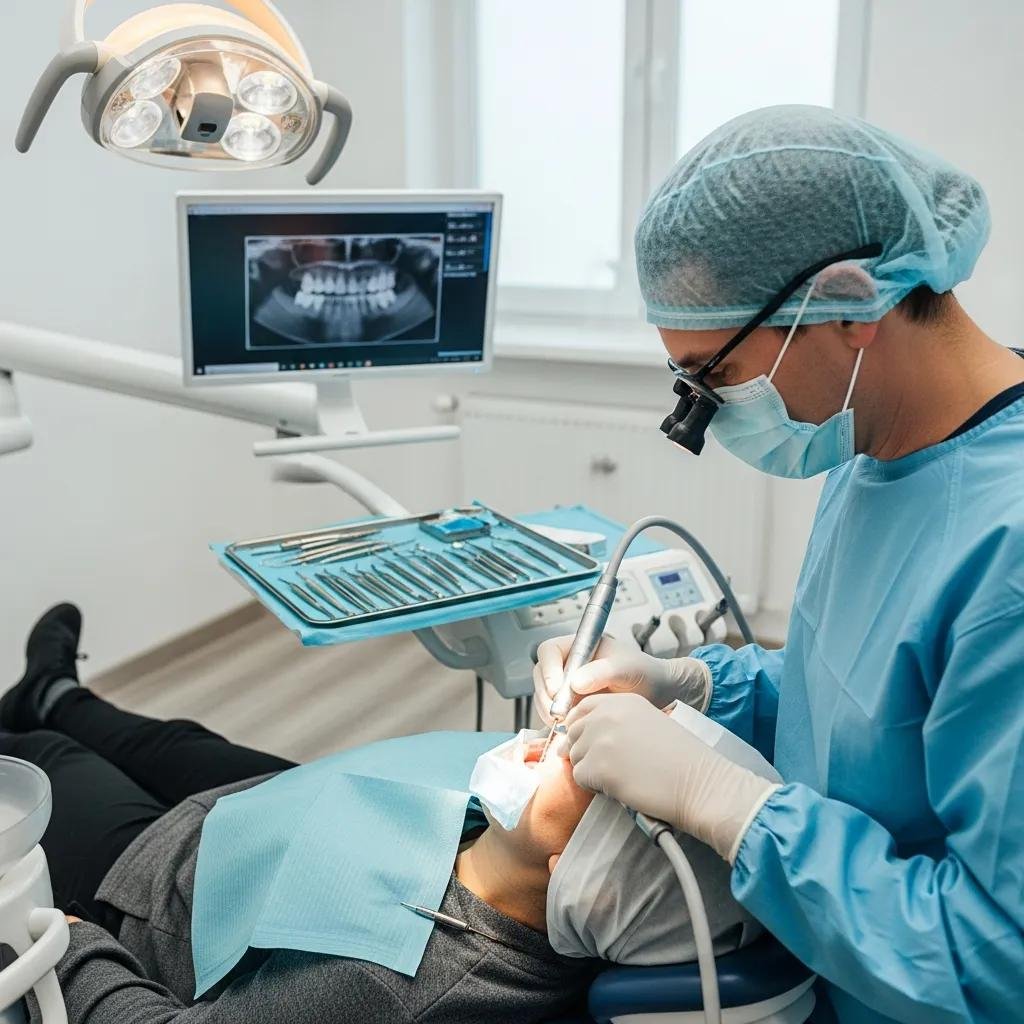
The pre-implant visit includes an oral exam and imaging (X-rays or CT) to identify factors that affect success. The team then develops a customised treatment plan tailored to the patient’s needs.
Detailed imaging is a key component of the pre-operative assessment and guides treatment planning.
Pre-Operative Imaging for Dental Implants
Both quantitative (volume) and qualitative (e. g. degree of corticalisation) bone parameters must be assessed radiographically before the periodontologist or oral surgeon can consider the actual placement of implants. A large variety of imaging techniques are presently available: some have been utilised for many years; others have been made possible by recent advances in computer technology.
Imaging procedures for pre-operative assessment, R Jacobs, 1998
What Happens During the Implant Surgery at Beautiful Smiles Ontario?
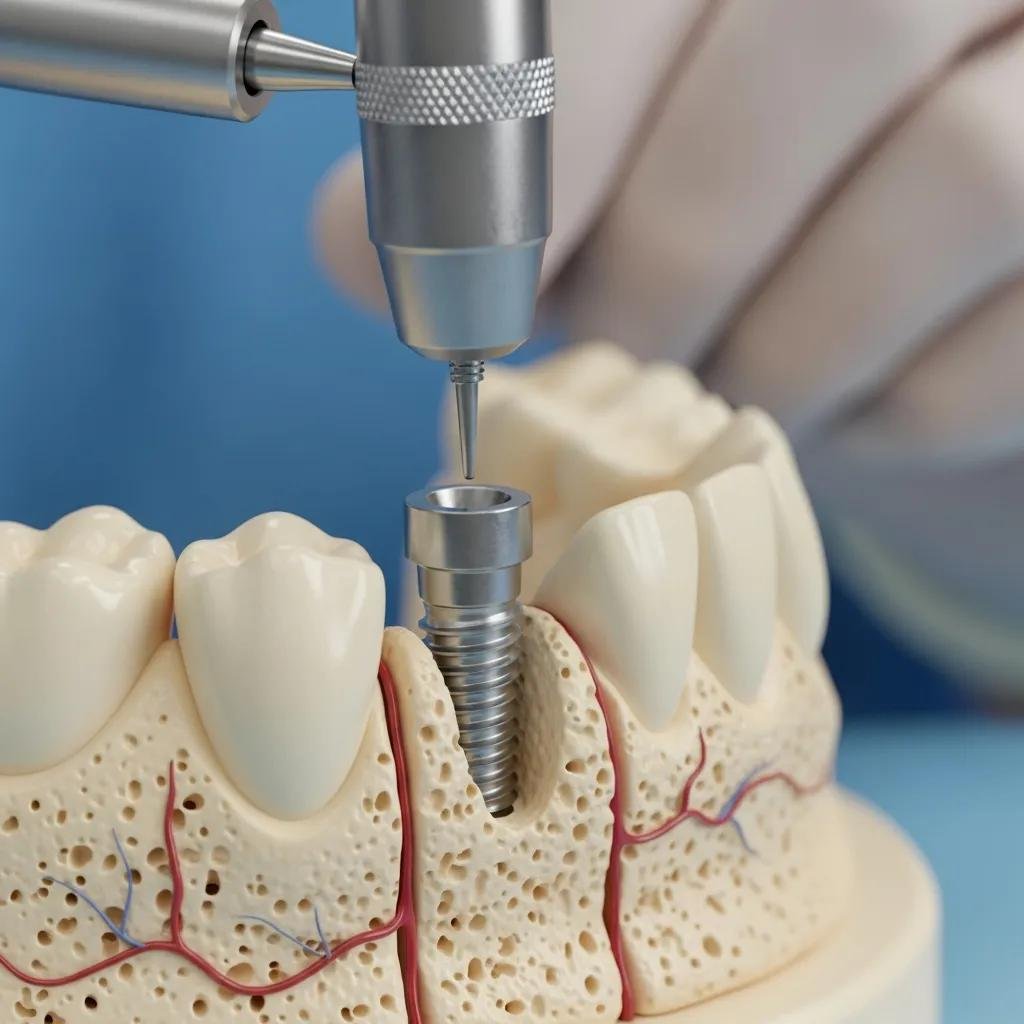
Surgery is performed under local anaesthesia. A titanium post is placed into the jawbone as an anchor for the replacement tooth. The team uses careful techniques to minimise discomfort and support efficient healing.
Understanding Dental Implant Recovery and What to Expect
Healing commonly takes several months. Soft tissue recovers first, then osseointegration occurs as bone bonds with the implant. Follow-up visits monitor progress and address any concerns.
What Are the Typical Recovery Milestones After Implant Surgery?

Key milestones during recovery include:
- Initial Healing Phase: About 1–2 weeks for soft-tissue recovery; swelling and discomfort are common.
- Bone Fusion: Osseointegration usually takes 3–6 months, varying by patient.
- Final Restoration: After healing, the final crown is placed to complete the restoration.
Which Tips Enhance Comfort and Healing During Recovery?
To support recovery, patients should follow these recommendations:
- Follow Post-Treatment Care Instructions: Follow the dentist’s specific guidance for wound care and activity.
- Manage Discomfort: Use recommended analgesics (for example, ibuprofen or acetaminophen) as advised.
- Maintain Oral Hygiene: Gently clean the area and use any prescribed antimicrobial rinses to reduce infection risk.
Carefully managing pain and following healing protocols improves implant outcomes.
Managing Post-Operative Pain & Healing in Dental Implants
Although dental implant placements have high success rates and a low incidence of morbidity, post-operative pain and complications with the healing process have been reported. There is little guidance available regarding optimal pre- and post-operative management of dental implant placement. This first paper discusses the mechanisms of pain associated with dental implant placement and offers guidance to clinicians on optimal pre- and post-operative pain management regimes.
Pre-and post-operative management of dental implant placement. Part 1: management of post-operative pain, 2014
What Are the Common Dental Implant Complications and How Are They Managed?
Implants are generally safe, but complications can occur. Knowing potential issues helps patients and clinicians respond promptly to protect long-term success.
Despite high success rates, it remains important for both patients and clinicians to recognise possible complications associated with dental implants.
Understanding Dental Implant Complications
While dental implants are increasingly becoming the choice of replacement for missing teeth, the impediments associated with them are progressively emerging too.
Complications in implant dentistry, A Hanif, 2017
What Risks Should Patients Be Aware of Before Implant Surgery?
Common risks include:
- Infection Risks: Surgical sites can become infected without proper care.
- Nerve Damage: Incorrect placement can irritate nerves, causing numbness or tingling.
- Sinus Issues: Upper-jaw implants may encroach on the sinus and require additional treatment.
How Does Beautiful Smiles Ontario Address and Prevent Complications?
Strategies to reduce risk include:
- Professional Dental Hygiene: A clean surgical environment lowers infection risk.
- Early Detection: Scheduled follow-ups enable quick identification and management of problems.
- Comprehensive Care: Thorough pre-operative assessments (including imaging and bone evaluation) and post-operative support promote safety.
What Are the Dental Implant Costs and How Can Patients Schedule Appointments in Ontario, CA?
Costs vary by the number of implants and the restoration type. At Beautiful Smiles Ontario, implant placement starts at approximately $1,995; abutments, crowns, and any additional procedures may add to the total.
What Factors Influence the Cost of Dental Implants in Ontario, CA?
Cost factors include:
- Number of Implants Needed: More implants raise the total cost.
- Type of Restoration Required: Materials and complexity affect price.
- Additional Treatments: Bone grafts or sinus lifts increase expense.
How Can Patients Book Consultations with the Best Dental Implant Dentists at Beautiful Smiles Ontario?
To schedule a consultation, patients may contact Beautiful Smiles Ontario at (909) 984-4746. The practice will review individual needs and arrange an appointment with experienced implant clinicians.
Frequently Asked Questions
What Are the Benefits of Dental Implants Compared to Other Tooth Replacement Options?
Implants closely replicate natural teeth in appearance and function, improving chewing and speech. They remain stable (no adhesives), help preserve jawbone volume, and are a durable long-term option compared with removable dentures or bridges.
How Long Do Dental Implants Last?
With proper care, the titanium implant can last many years or a lifetime. The crown’s lifespan depends on hygiene and wear; regular dental visits and good oral hygiene extend longevity.
Are Dental Implants Suitable for Everyone?
Not everyone is a candidate. Adequate bone and general health are required; uncontrolled medical conditions, smoking, or severe periodontal disease increase risk. A dental evaluation determines suitability.
What Should Patients Expect During the Healing Process After Implant Surgery?
Healing spans several months. Early symptoms can include swelling, discomfort, and minor bleeding, manageable with recommended care. Osseointegration often takes 3–6 months; follow-up visits monitor progress and support recovery.
What Are the Signs of Complications After Dental Implant Surgery?
Watch for persistent or worsening pain, increasing swelling, unusual bleeding, loosening of the implant, or changes in gum tissue. Contact the dental office promptly for assessment and treatment.
Can Dental Implants Be Replaced if They Fail?
Yes. Although uncommon, failed implants can be removed and, after healing and any necessary site preparation (for example, bone grafting), replaced. An experienced clinician will recommend the best plan.
Conclusion
Dental implants provide a durable solution for tooth replacement. Understanding the procedure, recovery, and potential complications helps patients make informed choices. Contact Beautiful Smiles Ontario to arrange a consultation and discuss your options with our experienced team.