beautiful smiles ontario, cosmetic dentistry and dental implants, ontario tooth implants, tooth implants ontario, dental implants ontario, tooth replacement aesthetics, dental implants ontario ca, dental crowns ontario, denture implants near ontario, implantes de dientes ontario
Benefits of Dental Implants
Dental implants offer numerous benefits over traditional tooth replacement options, including improved aesthetics, functionality, and durability. They are designed to look and feel like natural teeth, allowing patients to regain their confidence and smile without hesitation.
In addition to their natural appearance, dental implants provide superior support for adjacent teeth, prevent bone loss, and can last a lifetime with proper care. Studies show that patients with implants report higher satisfaction levels compared to those with dentures or bridges, highlighting their effectiveness as a long-term solution.
Types of Dental Implants
There are several types of dental implants available, each designed to accommodate different patient needs and circumstances. The most common types include endosteal implants, which are placed directly into the jawbone, and subperiosteal implants, which are positioned under the gum but above the jawbone.
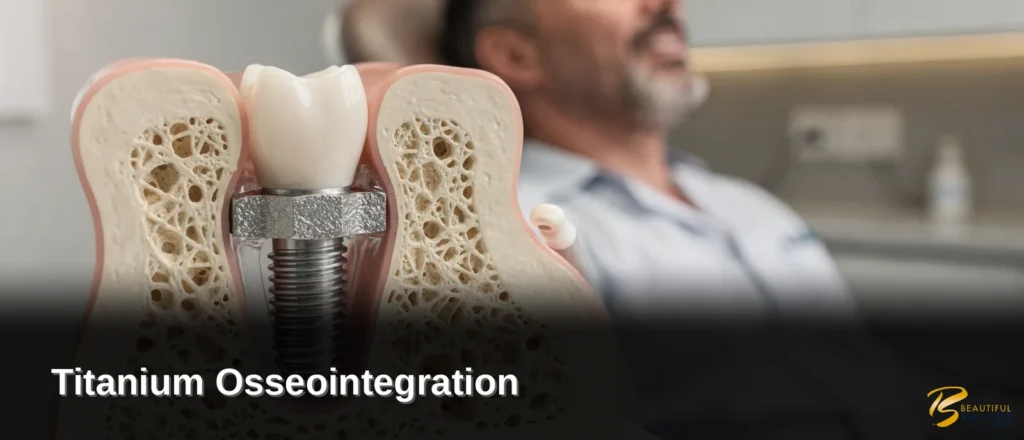
Endosteal implants are typically made from titanium and are the preferred option for most patients due to their stability and integration with the jawbone. Subperiosteal implants may be recommended for patients who do not have sufficient bone height for endosteal implants, providing a viable alternative for effective tooth replacement.
Choosing the Right Dentist for Dental Implants
Selecting a qualified dentist for dental implant procedures is crucial to ensure successful outcomes. Patients should look for a dentist with specialized training in implant dentistry, a good track record, and positive patient reviews to feel confident in their choice.
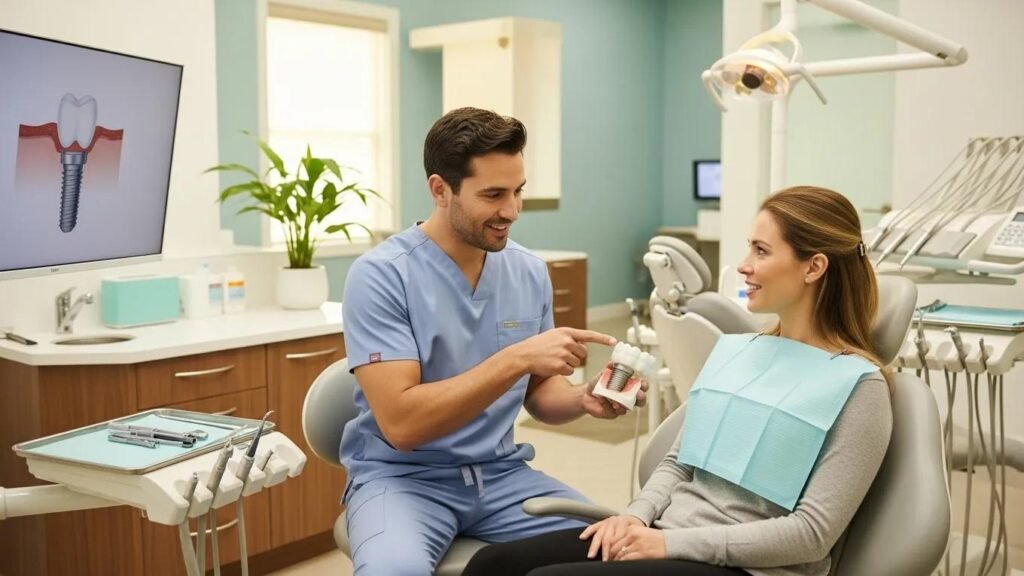
Additionally, potential patients should consider the dentist's experience with various implant types and techniques, as well as their approach to patient care. A thorough consultation will help establish trust and ensure that the dentist understands the patient's specific needs and expectations.
Aftercare and Maintenance of Dental Implants
Proper aftercare and maintenance are essential for the longevity of dental implants. Patients should follow their dentist's instructions regarding oral hygiene practices, including regular brushing and flossing, to prevent infection and ensure the health of the surrounding gums.
Routine dental check-ups are also important for monitoring the condition of the implants and addressing any potential issues early. With diligent care, dental implants can last many years, providing a reliable solution for tooth replacement.