Understanding Dental Implants
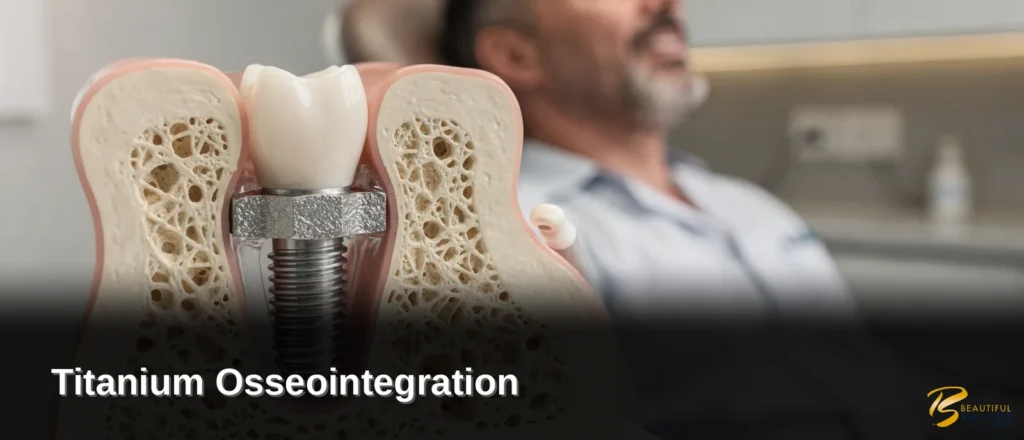
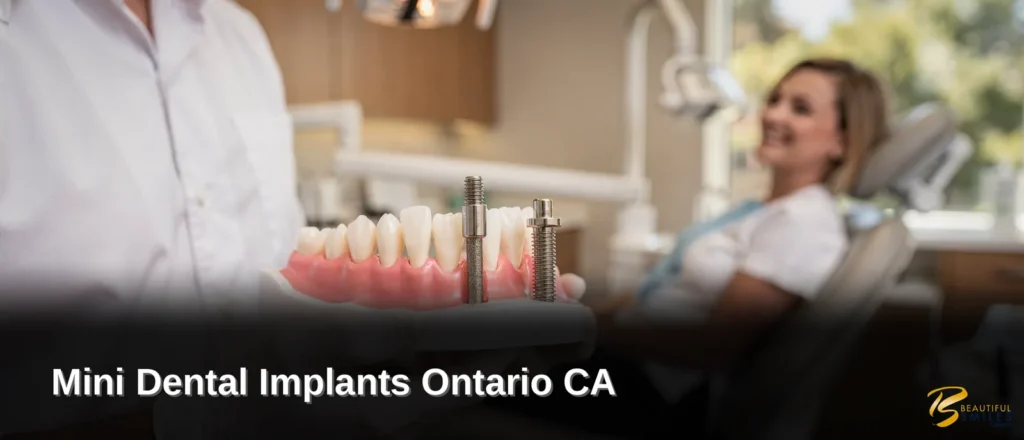
Dental implants are a popular and effective solution for replacing missing teeth. They consist of titanium posts that are surgically placed into the jawbone, serving as strong and durable roots for artificial teeth. This option mimics the look and function of natural teeth, providing patients with a stable and long-lasting solution.
One of the key benefits of dental implants is their ability to preserve jawbone health. When a tooth is lost, the jawbone can deteriorate over time. Implants stimulate the bone, preventing this loss and maintaining facial structure. Additionally, they do not require alterations to adjacent teeth, unlike bridges, making them a more conservative choice for tooth replacement.
Exploring Dentures: Types and Benefits
Dentures are removable appliances designed to replace missing teeth and restore the appearance and function of a smile. They come in two main types: complete dentures, which replace all teeth, and partial dentures, which fill in gaps when some natural teeth remain. Dentures can significantly improve chewing ability and speech while enhancing facial aesthetics.
Modern dentures are crafted with advanced materials that mimic the look of natural gums and teeth. They can be customized to fit the patient's mouth comfortably, ensuring a secure fit. While they may require adjustments over time, dentures are often a more affordable option compared to dental implants, making them accessible for a wider range of patients.
Comparing Costs: Implants vs. Dentures
When considering dental solutions, cost is a significant factor for many patients. Dental implants typically have a higher initial cost due to the surgical procedure and materials involved. However, they are a long-term investment, often lasting a lifetime with proper care, which can make them more cost-effective in the long run.
Conversely, dentures generally have a lower upfront cost but may require replacement or adjustments over time, leading to additional expenses. It's essential for patients to weigh these factors and consult with their dental provider to determine the best financial option for their individual needs and circumstances.
Maintenance and Care for Implants and Dentures
Proper maintenance is crucial for both dental implants and dentures to ensure their longevity and functionality. Dental implants require regular oral hygiene practices, including brushing and flossing, just like natural teeth. Regular dental check-ups are essential to monitor the health of the gums and bone surrounding the implants.
Dentures, on the other hand, require daily cleaning and proper storage when not in use to maintain their shape and prevent bacteria buildup. Patients should follow their dentist's recommendations for cleaning solutions and techniques to extend the life of their dentures. Both options benefit from routine dental visits to assess fit and function.