
Managing Dry Mouth Symptoms in Ontario, CA
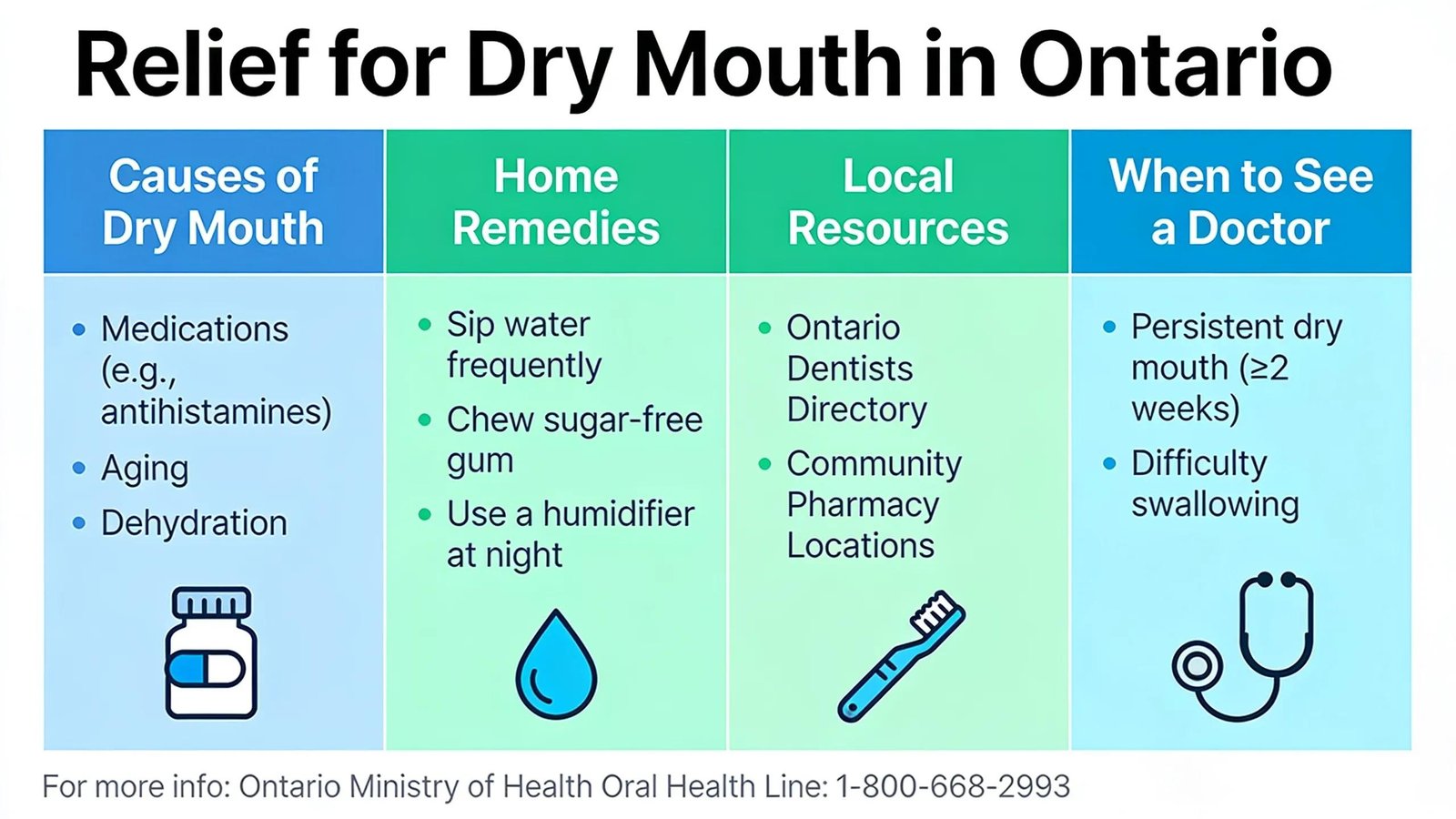
Relief for Dry Mouth in Ontario
Dry mouth (xerostomia) is a common condition in Ontario, CA. It occurs when the salivary glands produce too little saliva, causing discomfort and increasing the risk of oral problems. This article summarizes common causes, practical home measures, and local professional options, and reviews saliva substitutes and where to obtain them.
Despite multiple approaches, a single universally definitive treatment for dry mouth has not been established in the scientific literature.
Systematic Review of Dry Mouth Treatment Strategies
Therapeutic strategies for xerostomia, regardless of etiology, have so far not had definitive or clearly effective results. Objectives. To systematically revise the latest scientific evidence available regarding the treatment of dry mouth, regardless of the cause of the problem.
Treatment of xerostomia and hyposalivation in the elderly: A systematic review, FJ Silvestre, 2016
What Are the Common Causes of Dry Mouth in Ontario Residents?
Xerostomia can arise from medications, systemic disease, and lifestyle. In Ontario, antihistamines, antidepressants and some blood-pressure drugs commonly reduce saliva. Age-related decline and conditions such as diabetes or autoimmune disorders also lower salivary flow.
How Do Medications and Aging Contribute to Xerostomia?
Many prescribed drugs list dry mouth as a side effect. Antihistamines, antidepressants and some antihypertensives can reduce saliva. Aging reduces gland function, so medications plus physiological aging increase xerostomia risk among Ontario residents.
Addressing medication-induced dry mouth usually involves coordinating with prescribers to review drugs and, when appropriate, using topical agents or saliva substitutes tailored to the patient’s needs.
Managing Medication-Induced Dry Mouth: Treatments & Saliva Substitutes
This practical article also provides a review of available treatment options, which include medication changes towards products with fewer xerogenic side effects or dose reductions, if possible, as well as multidisciplinary, preventive care-oriented approaches that consider all influencing factors and treatment of the oral symptoms. In addition, several topical agents and saliva substitutes are discussed that may provide symptomatic relief but need to be carefully adapted to each patient’s situation in terms of usability and practicability and in the knowledge that therapeutic success varies with each individual.
Medication-induced xerostomia and hyposalivation in the elderly: culprits, complications, and management, 2018
Which Natural Treatments and Home Remedies Relieve Dry Mouth Symptoms?
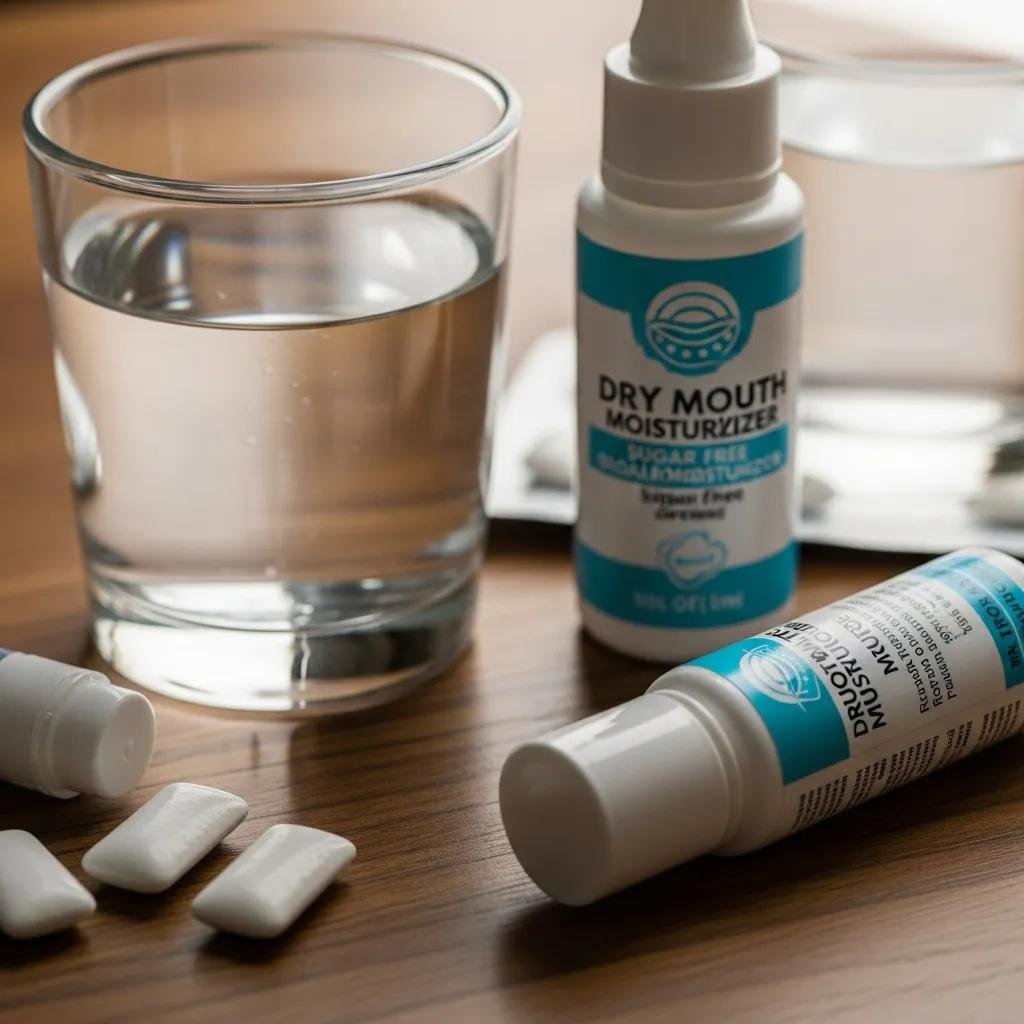
Conservative measures can ease symptoms: regular hydration, oral moisturizers and mouthwashes formulated for xerostomia, and chewing sugar-free gum or lozenges to stimulate saliva.
What Oral Hydration Techniques and Moisturizers Are Recommended?
Consider these practical hydration techniques and moisturizers:
- Stay Hydrated: Drink plenty of water throughout the day to keep your mouth moist.
- Use Oral Moisturizers: Products like saliva substitutes and mouthwashes designed for dry mouth can provide relief.
- Chew Sugar-Free Gum: This can stimulate saliva production and help keep the mouth moist.
These measures often improve comfort and daily function for people with xerostomia.
How Can Lifestyle Changes Help Manage Xerostomia?
Lifestyle modifications can reduce dry mouth symptoms. Practical steps include:
- Avoid Caffeine and Alcohol: Both can contribute to dehydration and worsen dry mouth.
- Maintain Good Oral Hygiene: Regular brushing and flossing can help prevent complications associated with dry mouth.
- Use a Humidifier: Keeping the air moist, especially at night, can help alleviate dryness.
Adopting these changes can increase comfort and help prevent complications.
Professional Dry Mouth Treatments at Beautiful Smiles Ontario
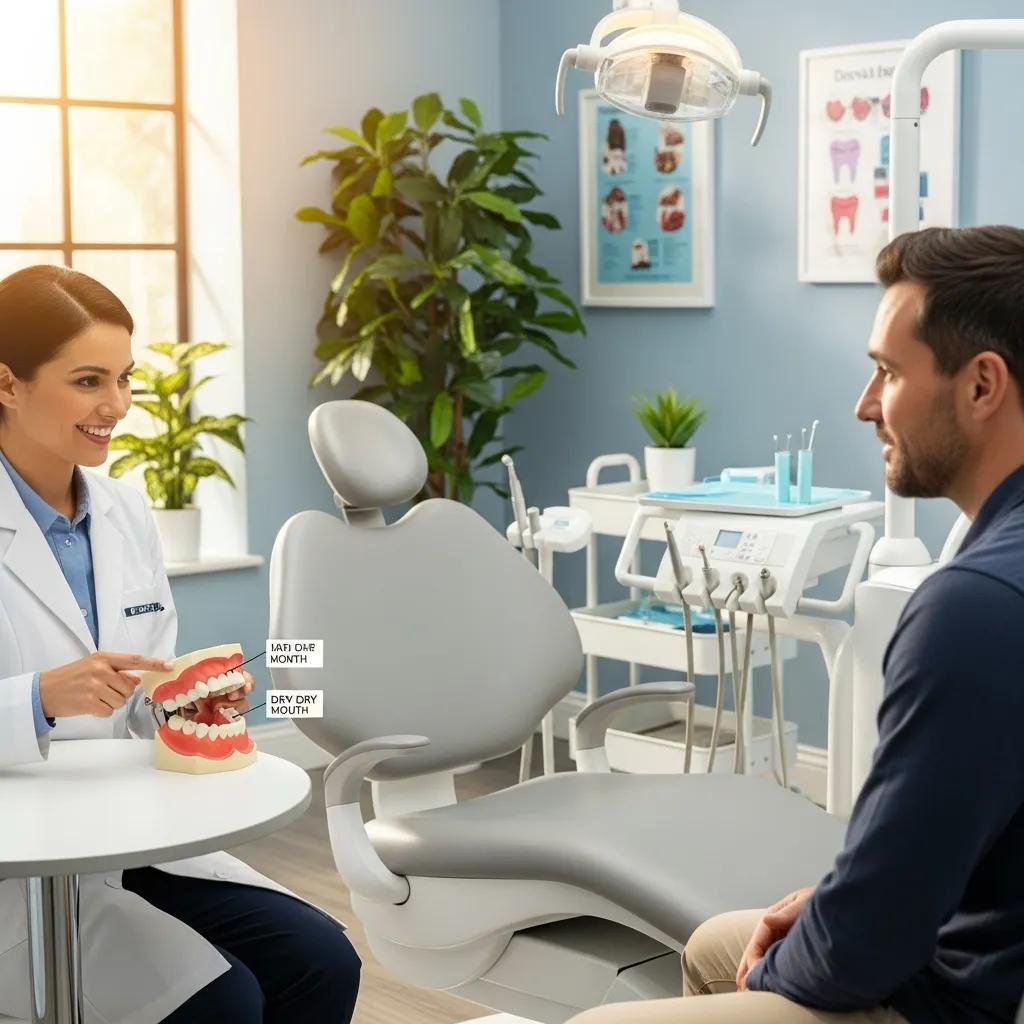
Beautiful Smiles Ontario offers professional care for dry mouth. Regular examinations monitor oral health, and the clinical team provides personalised advice and treatment plans to manage symptoms.
How Do Saliva Substitutes and Stimulants Improve Oral Comfort?
Saliva substitutes recreate the lubricating properties of natural saliva and provide immediate moisture. Pharmacologic stimulants can increase salivary secretion in appropriate patients. When chosen and used correctly, these products can improve oral comfort and daily function.
What Preventive Dental Care Tips Support Long-Term Oral Health?
For long-term oral health, follow these preventive care recommendations:
- Regular Dental Visits: Schedule check-ups at least twice a year to monitor oral health.
- Daily Oral Hygiene: Brush and floss regularly to prevent cavities and gum disease.
- Dietary Recommendations: Limit sugary foods and drinks to reduce the risk of dental issues.
Consistent preventive care helps protect teeth and gums and mitigates the oral effects of chronic dryness.
What Are the Best Saliva Substitute Products for Managing Dry Mouth?
Several saliva substitute products are available to relieve dry mouth. Formulations and effectiveness vary, so selection should match individual needs and product characteristics.
The table presents commonly used saliva substitutes to help identify suitable options for symptom management.
How Do Different Saliva Substitutes Compare in Effectiveness?
Products vary in formulation and clinical effect. Biotene Oral Balance Gel is known for a strong moisturizing effect; Oasis spray provides moderate relief; SalivaMAX is another high-effectiveness option often supplied through dental practices. Awareness of these differences assists product selection.
Over-the-counter products such as Biotene and Oralbalance have been reported by patients to provide symptomatic relief, particularly following certain medical treatments.
Biotene & Oralbalance for Dry Mouth Relief
One of the major side effects of radical radiation therapy for head and neck malignancies is xerostomia, or dryness of the mouth. There is no clearly effective treatment for this condition, but we have observed that patients in our practice believe that their symptoms improve significantly when using two “over-the-counter” oral comfort products – Biotene (toothpaste, mouthwash and chewing gum) and Oralbalance gel.
A phase II study of Biotene in the treatment of postradiation xerostomia in patients with head and neck cancer, P Warde, 2000
Where Can Patients Obtain Recommended Saliva Substitutes in Ontario?
Ontario patients can obtain recommended saliva substitutes from several sources, including:
- Local Pharmacies: Many pharmacies carry popular saliva substitutes like Biotene and Oasis.
- Dental Offices: Some dental practices, including Beautiful Smiles Ontario, may offer specific products for purchase.
- Online Retailers: Numerous online platforms provide a wide selection of saliva substitutes for convenient ordering.
These supply channels help ensure access to appropriate products for managing xerostomia.
Frequently Asked Questions
What are the long-term effects of untreated dry mouth?
Untreated dry mouth increases the risk of tooth decay, periodontal disease, and oral infections. Reduced saliva impairs clearance of food debris and neutralisation of bacterial acids, promoting cavities. Chronic xerostomia can cause discomfort, difficulty swallowing, and speech changes. Early assessment and management reduce these risks and protect oral health.
Can dry mouth be a symptom of other health conditions?
Dry mouth can indicate underlying health issues. It is associated with diabetes, Sjögren’s syndrome, and other autoimmune disorders. Mental health conditions and many related medications may also contribute. Persistent dry mouth should prompt consultation with a healthcare professional to identify causes and appropriate treatments.
Are there specific foods that can help alleviate dry mouth?
Certain foods help relieve dry mouth. High-water items such as cucumbers, watermelon, and oranges provide hydration. Crunchy fruits and vegetables may stimulate saliva production. Avoid salty, spicy, or very dry foods, and choose moist foods or add sauces to make eating easier.
How can I tell if my dry mouth is serious enough to see a doctor?
Seek medical advice if dry mouth is persistent, causes significant discomfort, or interferes with eating, speaking, or swallowing. Warning signs include frequent oral infections, new tooth decay, or altered taste. A clinician can determine the cause and recommend an appropriate management plan.
What role does hydration play in managing dry mouth?
Adequate hydration is fundamental. Regular fluid intake helps maintain oral moisture and reduce symptoms. Hydrating foods and oral moisturizers can complement water consumption and support symptom control. Prioritising hydration is a key component of management.
Are there any lifestyle changes that can worsen dry mouth?
Certain behaviours can exacerbate dry mouth. Caffeine and alcohol increase dehydration. Tobacco reduces saliva production and irritates oral tissues. Poor oral hygiene raises complication risk. Reducing stimulants and quitting smoking can improve symptoms and support oral health.
Conclusion
Effective management of dry mouth is essential for maintaining oral health and comfort among Ontario residents. Combining conservative measures with professional dental care reduces symptoms and improves quality of life. Consult a dental professional for personalised treatment plans and to learn more about services and products designed to address xerostomia.