
Dental Crowns & Caps in Ontario, CA
Your Guide to Dental Crowns in Ontario
Dental crowns (caps) are custom restorations that reinforce and protect teeth weakened by decay or damage, restoring function and improving appearance. In Ontario, CA, crowns are a common choice when substantial restoration is required. This guide describes the procedure, materials, typical costs, and maintenance to help patients decide.
What Is the Dental Crown Procedure at Beautiful Smiles Ontario?
At Beautiful Smiles Ontario the crown workflow begins with consultation and assessment. The tooth is prepared by removing decay and reshaping the structure to receive the restoration. Accurate preparation is essential for fit and long-term function. We also offer same day crowns!
How Are Dental Crowns Customized and Fitted for Patients?
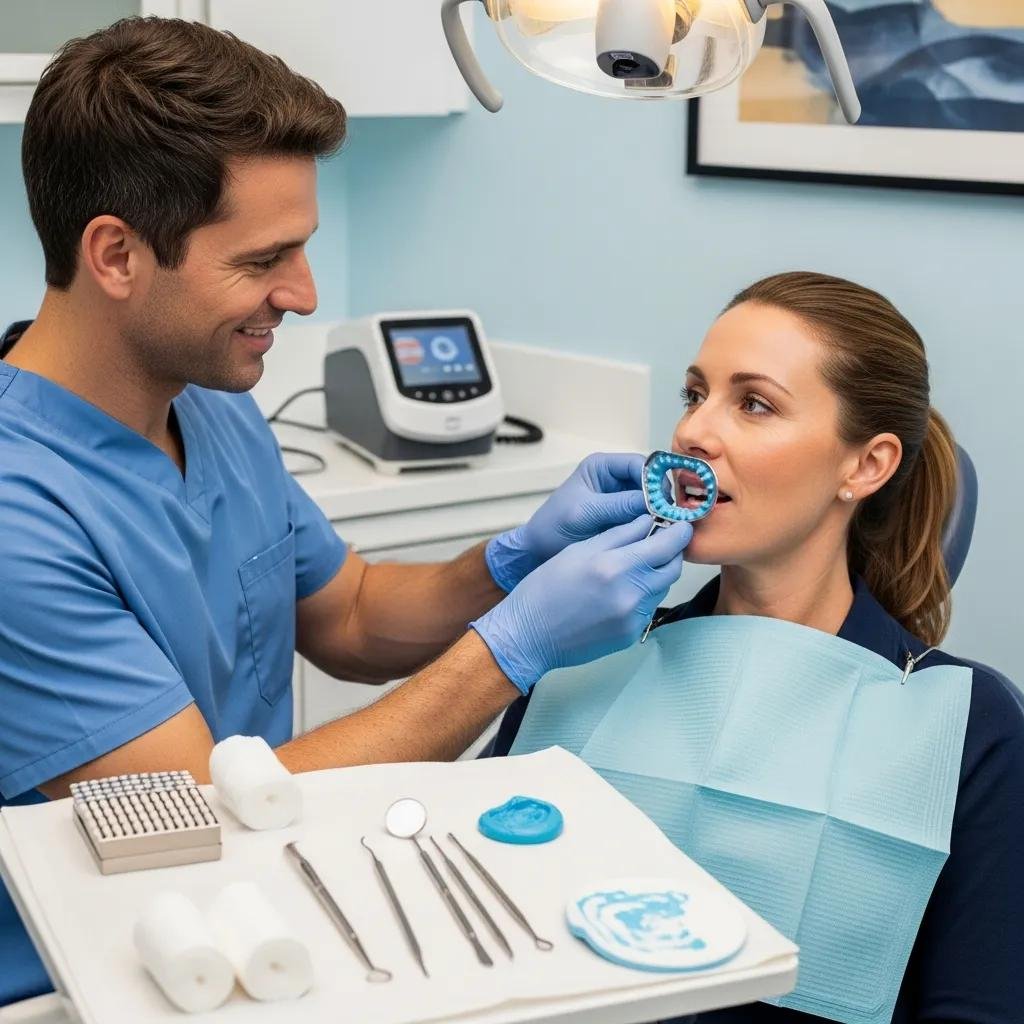
Crowns are custom-fabricated using precise techniques. Impressions of the prepared tooth produce a restoration that fits accurately. Materials—porcelain, metal, or zirconia—are selected for durability, appearance, and patient preference to ensure a secure fit and natural colour match.
What Technologies Ensure Patient Comfort During Crown Placement?
Beautiful Smiles Ontario uses modern tools to improve comfort and outcomes. Laser dentistry can reduce discomfort and shorten recovery. Digital X-rays and intraoral cameras improve imaging and visualisation, supporting more predictable, comfortable treatment.
Which Types of Dental Crowns Are Available in Ontario, CA?
Patients in Ontario, CA can choose among porcelain, metal, and zirconia crowns. Each material has advantages; understanding them helps select the best balance of function and aesthetics.
What Are the Benefits of Porcelain, Metal, and Zirconia Crowns?
Porcelain crowns offer natural appearance for front teeth. Metal crowns provide strength and durability for molars. Zirconia combines strength with a natural look for versatile restorations.
Advances in monolithic zirconia have improved aesthetics and durability, expanding clinical use.
Monolithic Zirconia Crowns: Aesthetics, Durability, and Cementation
Recently created monolithic Zirconia ceramics have greatly improved aesthetics and transparency. Yet, it is imperative to conduct additional in vitro and in vivo research to ascertain the material’s capacity to sustain its outstanding attributes over the long term. As per the existing literature, monolithic translucent Zirconia has demonstrated encouraging outcomes and a notable rate of longevity. Therefore, this material is recommended for situations where both strength and aesthetics are required. Advancements in both the materials and techniques for cementing monolithic Zirconia have substantially improved.
Monolithic zirconia in dentistry: Evolving aesthetics, durability, and cementation techniques–an in-depth review, HN Jabber, 2023
How Do Same Day Dental Crowns Compare to Traditional Options?
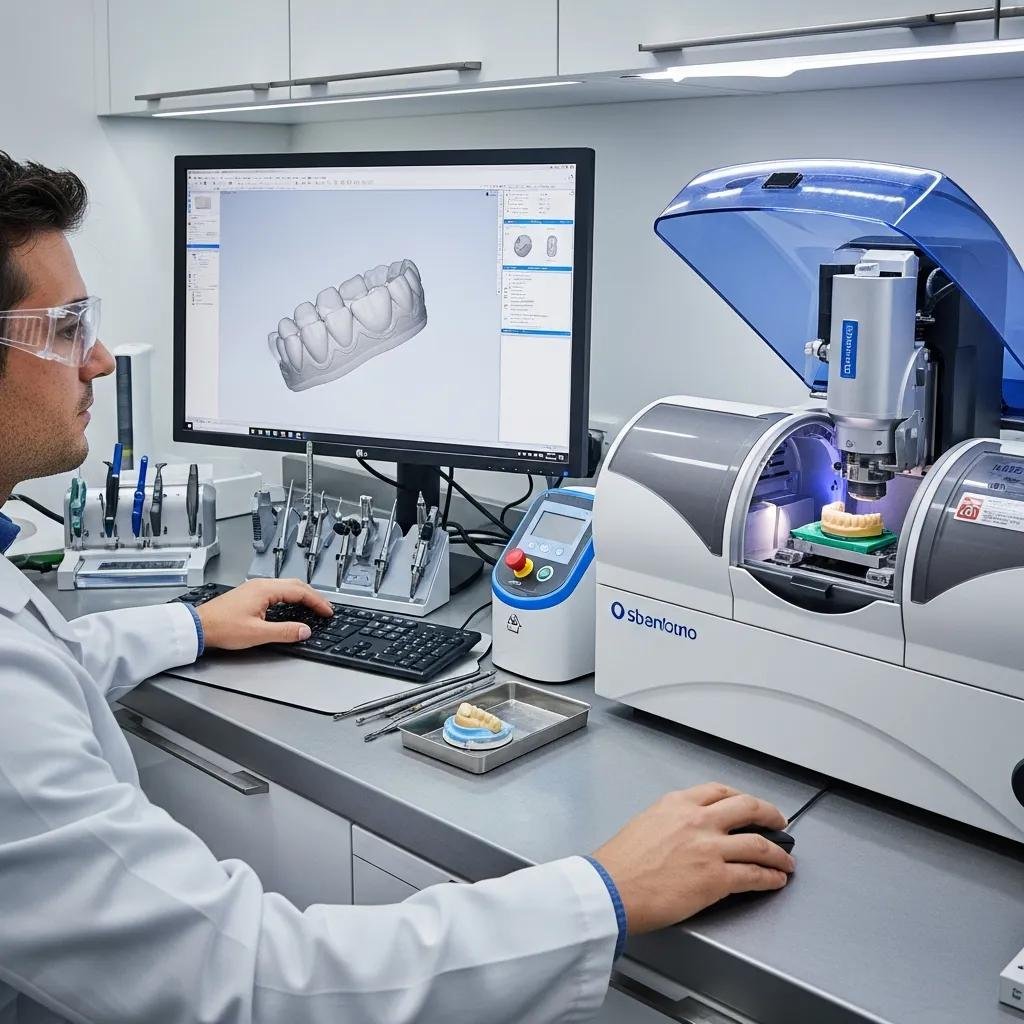
Same-day crowns made with CAD/CAM let patients receive a finished restoration in a single appointment, avoiding temporaries and multiple visits.
Developments in zirconia ceramics and CAD/CAM workflows increase their role and versatility in practice.
Zirconia Ceramic Crowns: Trends, Aesthetics, and Clinical Recommendations
A little over ten years ago, zirconia crowns made their debut in the field of dentistry. Despite early problems with the chipping of veneering porcelain, clinical studies have demonstrated excellent performance. It is essential for a ceramic crown to have good aesthetic qualities, in addition to having good mechanical characteristics. The exceptional mechanical qualities of zirconia crowns and the simplicity with which they may be machined, employing computer-aided design and computer-aided manufacturing schemes, are primarily responsible for the widespread use of these materials in clinical settings. New ceramic-based materials, including monolithic zirconia, zirconia-containing lithium disilicate ceramics, and graded glass/zirconia/glass, have recently been launched in the field of dentistry. These newly discovered zirconia crown materials stem from varied technological approaches, each likely to lead to additional clinical advancements. At this point, it seems imperative to offer a concentrated report on the newer developments, along with essential clinical recommendations for best clinical outcomes with zirconia crowns.
Emerging trends and clinical recommendations for zirconia ceramic crowns: a concise review, 2024
What Are the Costs and Insurance Coverage Options for Tooth Crowns?
Crown costs vary by material and procedural complexity. In Ontario, CA, prices typically range $800–$1,500 per tooth. Insurance may cover restorative procedures, but coverage depends on individual plans.
Beautiful Smiles Ontario helps patients with claims and offers financing to improve access to care.
How Does Insurance Typically Cover Dental Crown Procedures?
Insurance often covers restorative services like crowns, but benefits vary. Verify coverage with your insurer to understand co-pays, deductibles, and limits. Many plans contribute when a crown is clinically indicated.
Research in Ontario, Canada shows dental insurance can improve access and oral health outcomes for many.
Dental Insurance Impact on Oral Health in Ontario, Canada
We used data on individuals 12 years of age and older from the Canadian Community Health Survey 2013–2014 to estimate the marginal effects (ME) of having dental insurance in Ontario, Canada’s most populated province (n= 42,553 representing 11,682,112 Ontarians). ME were derived from multi-variable logistic regression models for dental visiting behaviour and oral health status outcomes. We also investigated the ME of insurance across income, education and age subgroups. Having dental insurance increased the proportion of participants who visited the dentist in the past year (56.6 to 79.4%, ME: 22.8, 95% confidence interval (CI): 20.9–24.7) and who reported very good or excellent oral health (48.3 to 57.9%, ME: 9.6, 95%CI: 7.6–11.5). Compared to the highest income group, having dental insurance had a greater ME for the lowest income groups for dental visiting behaviour: dental visit in the past 12 months (ME highest: 17.9; 95% CI: 15.9–19.8 vs. ME lowest: 27.2; 95% CI: 25.0–29.3) and visiting a dentist only for emergencies (ME highest: -11.5; 95% CI: −13.2 to −9.9 vs. ME lowest: -27.2; 95% CI: −29.5 to −24.8).
Providing dental insurance can positively impact oral health outcomes in Ontario, N Gomaa, 2020
What Factors Influence the Cost of Dental Crowns in Ontario?
Cost drivers include material, procedural complexity, and clinician experience. Porcelain often costs more for aesthetic reasons; extensive preparation or complications raise fees.
How Should Patients Care for and Maintain Their Dental Crowns?
Proper care preserves crown function. Maintain daily oral hygiene and regular checkups so the dentist can monitor the crown and surrounding tissues.
What Are the Recommended Aftercare Practices for Longevity?
- Practice Good Oral Hygiene: Brush and floss to prevent decay around the crown.
- Avoid Hard Foods: Skip hard or sticky items that could damage the crown.
- Schedule Regular Checkups: Visit the dentist for routine exams to ensure crown fit and condition.
These measures prolong crown lifespan and support oral health.
When Is Emergency Crown Repair Necessary and How Is It Handled?
If a crown becomes loose, fractures, or causes pain, contact your dentist promptly. The clinician will assess whether repair or replacement is needed. Timely care reduces complications and helps preserve the tooth.
Frequently Asked Questions
What Should I Expect During the Recovery Period After Getting a Dental Crown?
Mild sensitivity to hot or cold is common after crown placement and usually subsides in a few days. Follow aftercare instructions, which may include avoiding hard or sticky foods temporarily. Contact your dentist if discomfort persists.
How Long Do Dental Crowns Typically Last?
Crowns typically last five to fifteen years, depending on material, hygiene, and tooth position. Porcelain may wear faster than metal, especially in tooth grinders. Regular dental care and good home habits can extend a crown’s life.
Can I Get a Dental Crown if I Have Gum Disease?
Active gum disease can complicate crown placement. Treating periodontal conditions first—deep cleaning or therapy—creates a healthier foundation. Once gum health is stabilised, crown treatment can proceed.
Are There Alternatives to Dental Crowns for Tooth Restoration?
Alternatives depend on damage extent. Fillings treat minor decay; inlays and onlays restore more damage without covering the whole tooth. Veneers are cosmetic for front teeth. Your dentist will recommend the best option.
What Are the Signs That My Dental Crown Needs Replacement?
Signs a crown needs replacement include persistent pain, visible damage or wear, looseness, or decay at the margins. Regular exams detect these issues early so repair or replacement can be done.
How Can I Choose the Right Type of Crown for My Needs?
Choose a crown based on tooth location, aesthetics, and budget. Porcelain suits front teeth; metal provides posterior strength; zirconia balances appearance and durability. Consult your dentist for personalised advice.
Restore Your Smile With Beautiful Smiles Ontario
Knowing the differences among porcelain, metal, and zirconia crowns helps patients choose appropriate restorative care. Regular maintenance and prompt dental follow-up extend the lifespan and appearance of restorations. Contact Beautiful Smiles Ontario for personalised advice.