
Gingivitis vs. Periodontitis: Understanding Gum Disease Stages
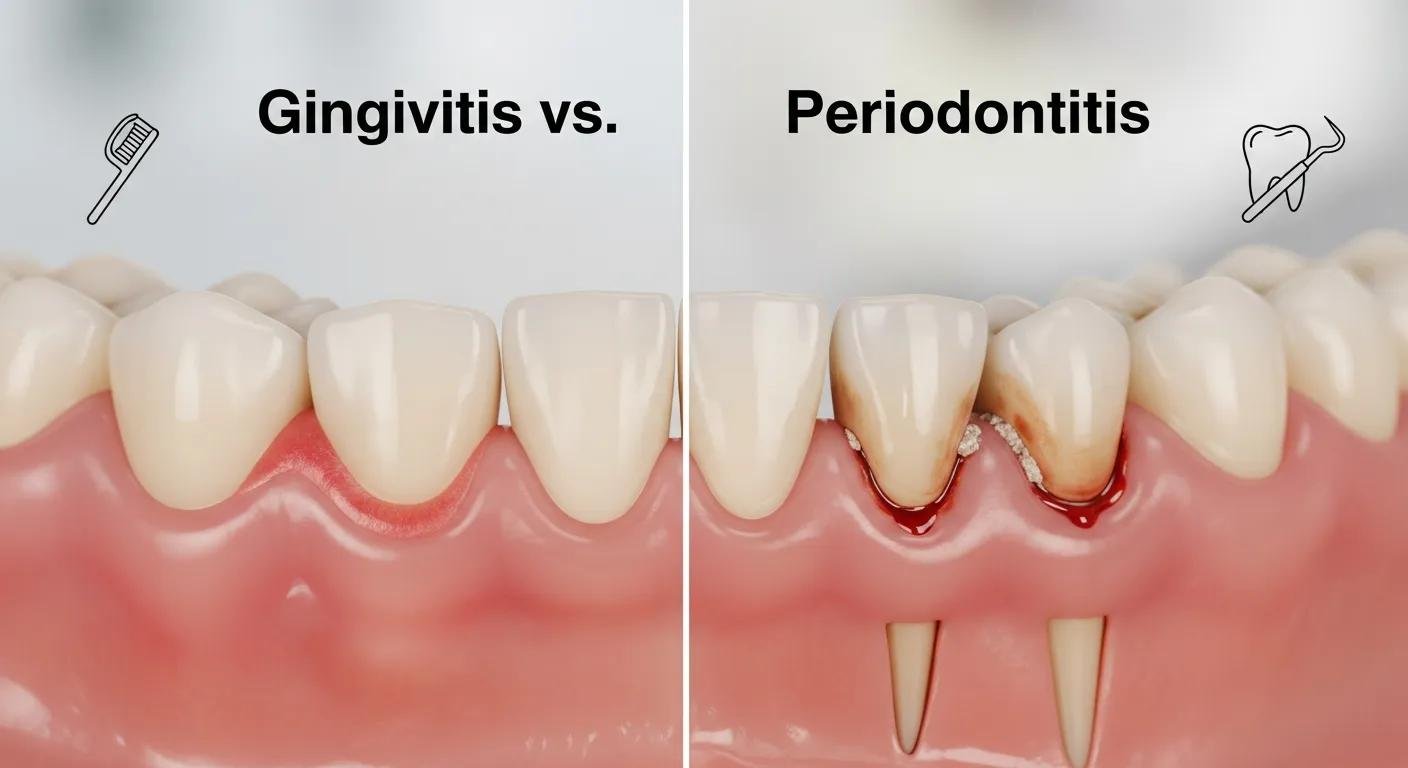
Gingivitis vs. Periodontitis Explained
Gum disease ranges from reversible gingivitis to advanced periodontitis that requires more intensive care. This article summarizes early signs, how the conditions progress, common treatments, and practical prevention steps so patients can seek timely dental care.
Periodontal disease includes gingival inflammation and deeper periodontal damage that affects tooth-supporting structures.
Global Prevalence & Classification of Periodontal Diseases
Periodontal disease is one of the most common chronic inflammatory diseases in humans, affecting up to 90% of the global population [1,2]. It is the pathologic process affecting the periodontium. According to the American Academy of Periodontology (AAP) and European Federation of Periodontology (EFP) guidelines, periodontal diseases and conditions are classified into the following categories: periodontal health, gingival diseases, and conditions; periodontitis; and other co
Advances in novel therapeutic approaches for periodontal diseases, K Duan, 2022
What Are the Early Signs and Symptoms of Gum Disease?
Early detection allows simple treatment and better outcomes. Gingivitis often shows mild signs that, if untreated, can progress to periodontitis. Look for bleeding or tender gums, persistent bad breath, and redness or swelling.
How to Recognize Gingivitis Symptoms Early

Gingivitis is gum inflammation. Key signs include:
- Red, Swollen Gums: Inflamed gum tissue with a reddish hue.
- Bleeding Gums When Brushing: Blood on the toothbrush or floss.
- Persistent Bad Breath: Ongoing halitosis may signal gum problems.
Recognizing these early signs makes reversal with basic care likely and lowers the risk of progression.
Identifying Signs of Periodontitis Progression
When disease advances, symptoms indicate deeper periodontal damage:
- Increased Gum Bleeding: More frequent or spontaneous bleeding.
- Loose or Shifting Teeth: Mobility from weakened support structures.
- Pus Around the Gums: A sign of infection needing prompt care.
Early recognition of these progression signs supports timely professional treatment.
How Can Gingivitis Be Reversed and Treated Effectively?
Gingivitis is usually reversible with improved oral hygiene and targeted dental care that reduces inflammation and bacterial load.
What Are the Most Effective Gingivitis Treatment Options?
Common, effective treatments include:
- Scaling and Root Planing: Professional cleaning to remove plaque and tartar below the gum line.
- Antimicrobial Mouthwash: Short-term rinses to lower bacteria and inflammation.
- Regular Dental Check-Ups: Ongoing monitoring and cleaning to prevent recurrence.
Beautiful Smile Ontario provides periodontal diagnosis and individualized treatment planning to support patient outcomes.
Comprehensive care focuses on treating infection, controlling inflammation, and restoring healthy gum architecture when possible.
Treatment Approaches for Gum Disease
treatment and is intended to restore structures destroyed by disease. Essential to both treatment approaches is the inclusion of periodontal
Treatment of plaque-induced gingivitis, chronic periodontitis, and other clinical conditions, 2001
How Does Patient Comfort and Anxiety-Sensitive Care Improve Treatment Outcomes?

Comfortable, communicative care reduces anxiety and improves cooperation. Effective approaches include:
- Creating a Relaxing Environment: Calming spaces ease nerves.
- Customizing Treatment Plans: Tailored care improves compliance.
- Effective Communication: Clear explanations reduce fear and support follow-through.
Prioritizing comfort helps patients attend follow-up visits and adhere to preventive routines.
Essential Prevention Strategies for Gum Health
Preventing periodontitis centers on consistent oral hygiene and addressing lifestyle risks.
- Daily Oral Hygiene: Brush twice daily with fluoride toothpaste and floss regularly.
- Regular Dental Visits: Professional cleanings catch problems early.
- Lifestyle Changes: Quit smoking and manage blood sugar to lower risk.
Simple, consistent preventive measures substantially reduce the chance of disease progression.
Periodontal Disease Etiology & Prevention
preventive approaches for periodontal diseases, we first must briefly summarize the present understanding of the etiology of periodontal disease
The prevention of periodontal disease—
An overview, FA Scannapieco, 2000
How to Prevent Periodontitis Through Oral Hygiene and Lifestyle
Core preventive practices include:
- Brush Twice Daily: Use fluoride toothpaste to support enamel and gums.
- Quit Smoking: Smoking increases periodontal risk.
- Manage Blood Sugar Levels: Good diabetes control reduces periodontal complications.
When Is Professional Periodontal Treatment Necessary?
See a professional when clinical signs are present or risk factors raise concern. Indicators include persistent bleeding, swelling, pain, or tooth mobility. Advanced disease may require surgical procedures to restore gum health.
Prompt assessment limits tissue loss and improves long-term outcomes.
How to Understand the Differences Between Gingivitis and Periodontitis?
Understanding the distinction helps guide treatment: gingivitis affects only the gum lining and is reversible; periodontitis damages the supporting tissues and can lead to tooth loss if untreated.
What Are the Key Differences in Causes and Disease Progression?
Progression involves:
- Stages of Disease: Gingivitis is early inflammation; periodontitis is deeper, destructive disease.
- Common Causes: Poor oral hygiene, smoking, and genetics are common contributors.
- Symptoms of Progression: Mild gum irritation can escalate to deep pockets, bone loss, and loose teeth.
How Do Treatment Approaches Vary Between Gingivitis and Periodontitis?
Treatment depends on stage:
- Non-Surgical Methods for Gingivitis: Professional cleaning and improved home care.
- Intensive Procedures for Periodontitis: May include deeper cleaning, regenerative or surgical treatments.
- Importance of Early Intervention: Treating gingivitis early prevents more invasive procedures later.
Awareness and early action help preserve oral health and avoid complex treatment.
Frequently Asked Questions
What lifestyle changes can help prevent gum disease?
Eat a balanced diet rich in vitamin C, stop smoking, manage stress, and stay active. Combined with consistent brushing and flossing, these habits lower risk.
How often should I visit the dentist for gum disease prevention?
Most people benefit from twice-yearly check-ups. Those with gum disease or higher risk may need cleanings every three to four months for optimal control.
Can gum disease affect overall health?
Yes. Periodontal inflammation has been linked to conditions such as heart disease and diabetes. Controlling oral inflammation reduces potential systemic effects.
What role does diet play in gum health?
Nutrients like vitamin C and calcium support gum tissue. Limit sugary, processed foods, eat crunchy fruits and vegetables, and stay hydrated to support saliva and oral defenses.
Are there any home remedies for treating gingivitis?
Home care complements professional treatment: salt-water rinses, baking-soda pastes, and careful use of diluted essential oils may help. Consistent brushing and flossing remain essential.
How can I tell if my gum disease is getting worse?
Watch for increased bleeding, persistent bad breath, receding gums, loose or shifting teeth, or pus. If these occur, seek prompt dental evaluation.
Conclusion
Distinguishing gingivitis from periodontitis guides appropriate care. Recognize early symptoms, maintain preventive routines, and see a dental professional for assessment and treatment to protect your oral health and smile.