
Dental Crowns: Restoring Strength and Appearance to Teeth
Mastering Dental Crowns: Types & Costs
Dental crowns restore the strength, shape, and appearance of damaged or weakened teeth. These custom caps cover the clinical crown to restore function and improve aesthetics. Patients receive crowns for decay, fractures, or cosmetic concerns. This article summarizes crown types, the placement process, typical costs, and basic aftercare to help patients decide on treatment.
What Are the Main Types of Dental Crowns and Their Benefits?
Crowns come in several materials to suit different clinical needs. The most common are porcelain, zirconia, and metal crowns.
- Porcelain Crowns: Known for their natural look, porcelain crowns closely match enamel and are preferred for front teeth.
- Zirconia Crowns: Zirconia offers a strong, wear-resistant option that also provides good aesthetics for anterior and posterior use.
Recent research highlights zirconia’s mechanical strength and biocompatibility.
Zirconia Crowns: Strength, Aesthetics, and Biocompatibility
In contemporary dental practice, there is a significant demand for materials that not only exhibit superior mechanical strength and durability but also offer excellent biocompatibility and aesthetic appeal. Zirconia (ZrO2) has emerged as a leading biomaterial addressing these needs, owing to its exceptional properties such as high fracture toughness, resistance to corrosion and wear, and tooth-like translucency. These characteristics make zirconia ideal for various dental prosthetics, including crowns, bridges, and abutments.
A comprehensive review: Surface modification strategies to enhance corrosion resistance of zirconia-based biomaterials in implant applications, G Srinivasan, 2025
- Metal Crowns: Metal alloys are extremely durable and suited for molars that withstand heavy chewing forces.
Beautiful Smile Ontario offers a range of crown choices to match patient needs in Ontario, CA.
How Do Porcelain Crowns Enhance Natural Appearance?
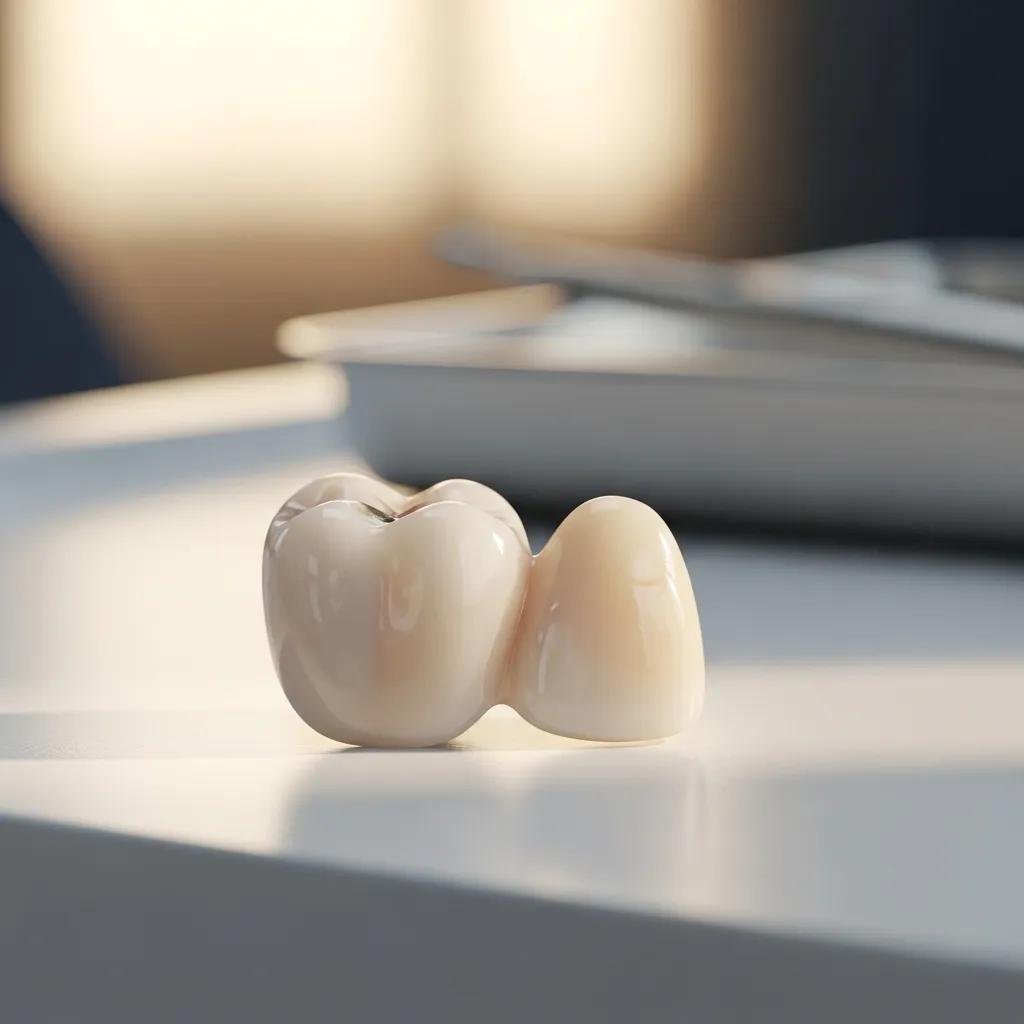
Porcelain crowns mimic enamel color and translucency and can be shade-matched to adjacent teeth for a seamless result. They also help restore bite alignment and overall dental function while prioritizing aesthetics.
What Makes Metal Crowns Durable and Long-Lasting?
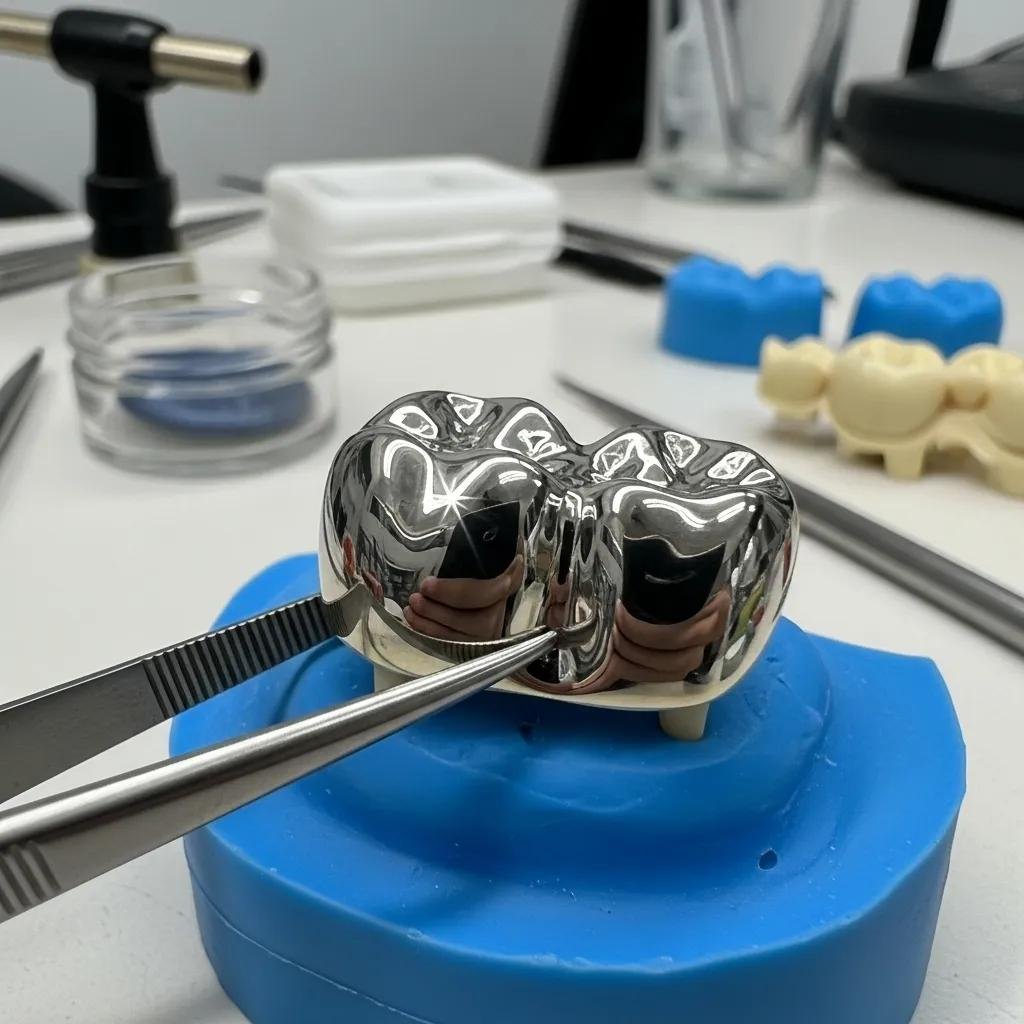
Metal crowns resist chipping and fracture and tolerate high occlusal forces. Alloys such as gold or high-noble metals produce minimal opposing-tooth wear, making them a strong posterior option.
A comparative study examines considerations between metal and zirconia crowns in pediatric care.
Metal vs. Zirconia Crowns: Types, Caries Treatment & Patient Comfort
Preformed metal crowns (PMCs) and zirconia crowns (ZCs) are commonly used for the treatment of primary molar caries. However, there have been no reports on factors influencing parental awareness, willingness to use these treatments, and the associated discomfort after crown placement in children.This study is the first to report factors influencing preformed crowns, providing a reference for the prevention and treatment of deciduous carious teeth.
Factors influencing preformed metal crowns and prefabricated zirconia crowns, 2025
What Are the Key Steps in the Dental Crown Procedure?
The crown workflow includes diagnosis, preparation, fabrication, and cementation. Careful imaging and planning set the stage for a durable restoration.
How Is Tooth Preparation Performed Before Crown Placement?
Tooth preparation reshapes the tooth to accept the crown and typically involves:
- Diagnostic Visit: Assessment and treatment discussion.
- Anesthesia Administration: Local anesthesia for comfort.
- Impression or Scan: A conventional impression or digital scan captures the prepared tooth for the lab.
These steps help ensure a precise fit and lasting function.
What Is the Process for Fitting and Cementing a Dental Crown?
After fabrication, the crown is tried in and adjusted as needed. The sequence includes:
- Trial Fitting: Check fit and margins.
- Adjustments for Bite Alignment: Minor shaping to ensure comfortable occlusion.
- Cementing the Crown: Final cementation once fit and bite are confirmed.
A careful fitting protocol reduces the risk of complications and promotes integration with the surrounding teeth.
Dental Crown Costs in Ontario: Pricing and Insurance Coverage
In Ontario, CA, crown prices vary by material, complexity, and clinician expertise. Typical single-crown costs range from $1,000 to $2,500.
What Factors Influence the Cost of Dental Crowns in Ontario?
Key cost drivers include:
- Material Used: Porcelain and zirconia are usually costlier than metal for their aesthetics.
- Complexity of the Procedure: Additional treatments raise overall fees.
- Provider Experience: Specialist care may carry higher charges.
Understanding these factors helps patients budget and choose appropriately.
Patient awareness and finances often influence the decision to proceed with a crown.
Crown Placement Decisions: Awareness & Financial Factors
Results:The mean age was 46.3 years (SD 16.7) with half males. Only 61 patients (23.3%) received a crown after root canal treatment. There were no significant associations between gender or tooth location and reasons for not receiving a crown. The most common reason for not receiving crowns were lack of awareness (n = 57, 21.8%) and financial limitations (n = 39, 14.9%) followed by lack
Factors Affecting Patient Decision-Making for Crown Placement After Root Canal Treatment: A Cross-Sectional Study, FU Rahman, 2025
Which Insurance Plans Commonly Cover Dental Crown Procedures?
Many dental plans cover crowns when they are medically necessary, but coverage levels vary. Patients should confirm benefits with their insurer. Financing options may also help with out-of-pocket costs.
How Should Patients Care for Their Dental Crowns to Ensure Longevity?
Good aftercare preserves crowns and oral health. Regular hygiene and dental reviews are essential.
What Are Effective Aftercare Practices for Porcelain and Metal Crowns?
Key practices include:
- Brushing and Flossing Techniques: Brush twice daily and floss to prevent plaque at crown margins.
- Regular Checkups: Periodic exams let the dentist monitor the restoration.
- Sensitivity Management: Use desensitizing toothpaste if mild sensitivity occurs.
These steps protect both the crown and adjacent teeth.
How Can Patients Manage Emergency Repairs and Crown Issues?
If a crown is displaced or damaged, patients should:
- Maintain Oral Hygiene: Keep the area clean to reduce complications.
- Monitor for Issues: Watch for pain, looseness, or a changed fit.
- Seek Immediate Care: Contact a dentist quickly to prevent further damage.
Timely care reduces the risk of decay and preserves tooth structure.
Frequently Asked Questions
What is the lifespan of a dental crown?
Lifespan depends on material and care. Porcelain and zirconia commonly last 10–15 years; metal crowns may last 20 years or more. Bruxism, hygiene, and diet affect longevity. Regular exams and proper care extend service life.
Are there any risks associated with dental crowns?
Risks are uncommon but can include temperature sensitivity, temporary discomfort during adjustment, loosening, or, rarely, allergic reactions. Discuss risks and preventive steps with your dentist.
Can dental crowns be replaced, and how often should this be done?
Yes. Crowns are replaced if damaged, worn, or if underlying tooth changes. Frequency depends on wear, decay, fracture, or aesthetic concern; your dentist will advise based on exams.
What should I do if my dental crown feels loose?
Contact your dentist promptly. Avoid chewing on that side and maintain hygiene until you are seen. A dentist will assess whether re-cementation or replacement is needed.
How do I choose the right type of crown for my needs?
Choice depends on tooth location, appearance preferences, and budget. Porcelain suits anterior teeth; metal is strong for molars; zirconia balances durability and aesthetics. Consult with your dentist for a tailored recommendation.
What are the signs that I need a dental crown?
Signs include extensive decay, a cracked or fractured tooth, a tooth after root canal therapy, or significant discoloration or misshaping. Persistent pain or sensitivity also warrants evaluation.
Conclusion
Knowing crown types, costs, and care helps patients choose the right restoration. Porcelain, zirconia, and metal each offer distinct benefits for function and appearance. Prioritize maintenance and regular dental reviews to maximize crown longevity. Beautiful Smiles Ontario offers same day corwns! Contact us to learn more or schedule a consultation.