
Full mouth reconstruction is a comprehensive dental treatment that restores both function and appearance. It commonly combines dental implants, crowns, bridges and cosmetic procedures. Patients who benefit often have missing teeth, advanced decay or severe wear that affect chewing, speech and self‑confidence. This article explains procedures involved, implant advantages, the role of sedation dentistry in patient comfort, and implant options and costs in Ontario, CA.
Understanding Full Mouth Reconstruction: Procedure and Benefits
Full mouth reconstruction begins with a detailed clinical assessment and a personalised treatment plan. Plans may include restorative and cosmetic procedures chosen to restore oral function and improve appearance. The principal objective is to help patients regain comfortable chewing and clear speech while restoring a natural, confident smile.
Successful full mouth rehabilitation depends on established clinical concepts and treatment philosophies that guide planning and execution.
Full Mouth Rehabilitation: Concepts & Philosophies
Complete mouth rehabilitation is a dynamic functional endeavor and it embodies the correlation and integration of all component parts into one functioning unit. Over time have evolved various concepts and philosophies to attain reconstruction and rehabilitation of the entire dentition, satisfying all the related factors. This case series describes cases requiring full mouth rehabilitation treated following Twin Table Philosophy and Twin Stage Philosophy by Sumiya Hobo and Pankey Mann Schuyler Philosophy considering the requirements of the rehabilitation. It also describes briefly the principle behind each philosophy as well as the various pros and cons of each and its application in various scenarios.
Philosophies In Full Mouth Rehabilitation–A Systematic Review, BR Shetty, 2013
Full Mouth Rehabilitation: Concepts & Philosophies
Complete mouth rehabilitation is a dynamic functional endeavor and it embodies the correlation and integration of all component parts into one functioning unit. Over time have evolved various concepts and philosophies to attain reconstruction and rehabilitation of the entire dentition, satisfying all the related factors. This case series describes cases requiring full mouth rehabilitation treated following Twin Table Philosophy and Twin Stage Philosophy by Sumiya Hobo and Pankey Mann Schuyler Philosophy considering the requirements of the rehabilitation. It also describes briefly the principle behind each philosophy as well as the various pros and cons of each and its application in various scenarios.
Philosophies In Full Mouth Rehabilitation–A Systematic Review, BR Shetty, 2013
Key Components: Dental Implants, Crowns, Bridges, and Cosmetic Dentistry
Key components include dental implants (artificial roots that support replacement teeth), crowns to restore damaged teeth, bridges to replace missing teeth, and cosmetic treatments such as whitening and veneers. When combined, these treatments restore function and appearance to deliver a comprehensive, long‑term solution.
How Full Mouth Reconstruction Restores Function and Aesthetics
Full mouth reconstruction addresses tooth loss, decay and misalignment to improve oral health. Patients typically regain effective chewing and clearer speech. Aesthetic improvements—better symmetry and tooth colour—also boost self‑esteem and encourage greater social confidence.
The success of these complex procedures is measured by the functional and aesthetic improvements patients achieve, as supported by research in dental reconstruction.
Functional & Aesthetic Outcomes of Dental Reconstruction
Oromandibular reconstruction, although a challenge for the head and neck reconstructive surgeon, is now reliable and highly successful with excellent long-term functional and aesthetic outcomes with the use of autogenous bone grafts and current reconstructive options. The ideal reconstruction would provide a solid arch to articulate with the upper jaw, restoring swallowing speech, mastication, and esthetics.
Mandibular reconstruction: overview, BY Yadav, 2016
Functional & Aesthetic Outcomes of Dental Reconstruction
Oromandibular reconstruction, although a challenge for the head and neck reconstructive surgeon, is now reliable and highly successful with excellent long-term functional and aesthetic outcomes with the use of autogenous bone grafts and current reconstructive options. The ideal reconstruction would provide a solid arch to articulate with the upper jaw, restoring swallowing speech, mastication, and esthetics.
Mandibular reconstruction: overview, BY Yadav, 2016
What Are the Dental Implant Options and Costs in Ontario, CA?
Dental implants provide durable, natural‑appearing replacements for missing teeth and are central to many full mouth reconstructions. In Ontario, CA, clinicians offer a range of implant options to suit different clinical needs and patient goals.
Types of Dental Implants and Their Role in Smile Restoration
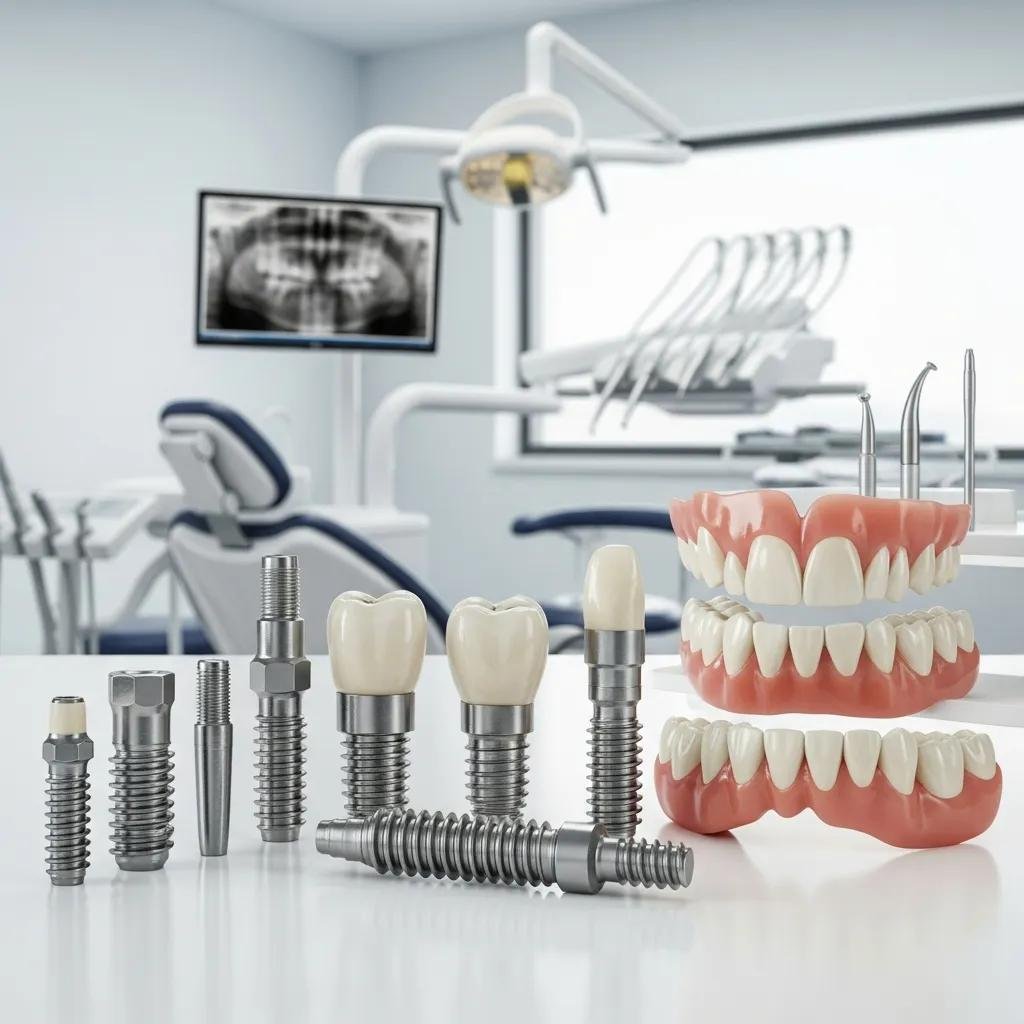
Options include single‑tooth implants, implant‑supported bridges and full‑arch prostheses. Single‑tooth implants replace an individual tooth; implant‑supported bridges replace several adjacent teeth; full‑arch prostheses restore most or all teeth and recreate natural function and appearance. Each option supports long‑term oral health and smile restoration.
Estimating Dental Implants Cost and Financing Options in Ontario
Implant costs in Ontario, CA vary with implant type, procedural complexity and materials. Typical per‑implant fees range from $3,000 to $6,000. Many practices offer payment plans or coordinate with third‑party financing to improve affordability for patients.
How Does Sedation Dentistry Enhance Patient Comfort During Reconstruction?
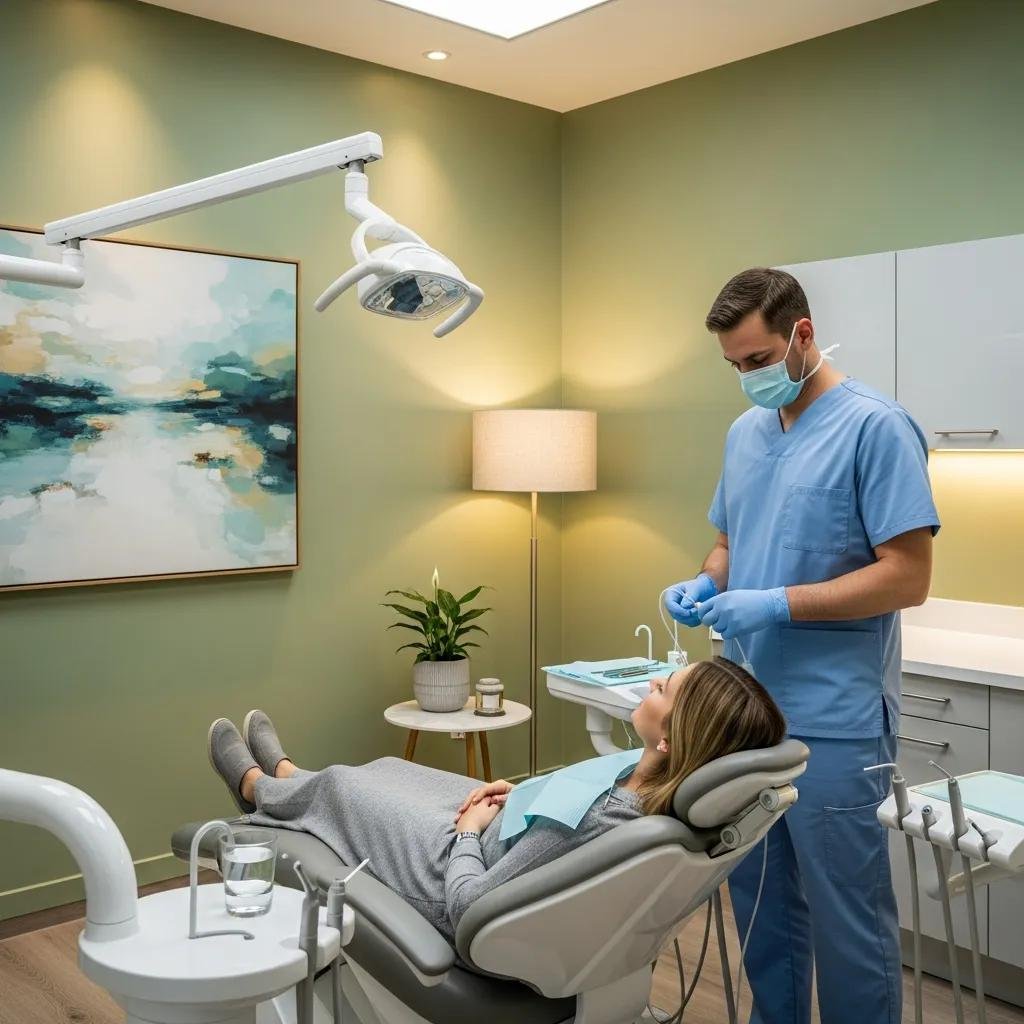
Sedation dentistry enhances comfort and reduces anxiety during full mouth reconstruction. For patients who experience fear or stress, appropriate sedation can make complex procedures more tolerable and may allow comprehensive treatment in fewer visits when clinically appropriate.
Sedation Techniques for Anxious Patients Undergoing Full Mouth Reconstruction
Available methods include nitrous oxide (mild, conscious relaxation), oral sedation (pre‑procedure medication) and intravenous (IV) sedation (deeper relaxation). The dental team selects and tailors the method based on clinical requirements and the patient’s comfort and medical history.
Safety and Recovery Considerations with Sedation Dentistry
Sedation is generally safe when patients follow pre‑ and post‑operative instructions. A personalised consultation determines the most appropriate option considering medical history and anxiety levels. Recovery varies, but most patients resume normal activities within 24 to 48 hours. Follow‑up visits are important to monitor healing and address any concerns.
What Are the Benefits of Cosmetic Dentistry and Smile Makeovers in Ontario?
Cosmetic dentistry improves appearance and restores function. These treatments can increase confidence and materially enhance a patient’s quality of life.
Dental Crown and Bridge Options for Aesthetic Enhancement
Crowns restore damaged or discoloured teeth and bridges replace missing teeth. Materials such as porcelain and ceramic are available to match natural tooth colour for a seamless result. These restorations also support oral health by restoring proper bite alignment and preventing further issues.
Patient Testimonials and Success Stories from Local Smile Makeover Specialists
Patients commonly report increased confidence, improved self‑esteem and a greater willingness to engage socially after smile makeovers. Local specialists in Ontario have helped many individuals achieve these outcomes, demonstrating the transformative impact of cosmetic dentistry on appearance and well‑being.
Frequently Asked Questions
1. How long does a full mouth reconstruction typically take?
Treatment duration varies with case complexity and procedures. Typically it spans several months to more than a year, accounting for consultations, diagnostic imaging, treatment planning and staged procedures. Discuss your individual timeline with your dental team to set realistic expectations.
2. What are the risks associated with full mouth reconstruction?
As with any surgery, risks include infection, bleeding, nerve injury and anesthesia‑related complications. There may also be material‑specific risks, such as allergic reactions. Thorough discussion with your dental professional and adherence to care instructions reduce the likelihood of complications.
3. Can full mouth reconstruction be covered by insurance?
Insurance coverage varies by plan and by procedure. Some policies may cover part of the cost for restorative treatments considered medically necessary. Contact your insurance provider to confirm benefits and consult the dental office about available financing options.
4. What should I expect during the recovery process?
Recovery depends on the procedures performed and individual factors. Initial swelling, discomfort and minor bleeding are common. Pain management and a soft‑food diet are often recommended. Many patients return to normal activities within a week, while full healing can take several months. Regular follow‑up appointments are essential to monitor progress.
5. Are there age restrictions for undergoing full mouth reconstruction?
There are no strict age limits; suitability depends on overall health, dental condition and individual needs. Younger patients require assessment of jaw development; older patients may need evaluation of medical considerations. A comprehensive consultation determines the best approach for each patient.
6. How do I choose the right dentist for my full mouth reconstruction?
Choose a dentist with substantial experience in restorative and cosmetic dentistry, particularly in full mouth rehabilitation. Review credentials, patient testimonials and before‑and‑after cases. Schedule a consultation to discuss treatment options and confirm your comfort with the clinician.
7. What lifestyle changes should I consider after full mouth reconstruction?
To protect your investment, maintain excellent oral hygiene with regular brushing, flossing and dental check‑ups. Avoid hard or sticky foods that could damage restorations. Quitting smoking and reducing alcohol intake support healing and long‑term oral health.
Conclusion
Full mouth reconstruction can restore both function and appearance, substantially improving patients’ quality of life. By addressing missing teeth and decay, these treatments enhance confidence and oral health. Understanding implant and sedation options helps you make informed decisions about care. Contact a qualified dental professional to discuss your goals and take the first step toward your ideal smile today.