
Sensitive Teeth: Causes and Effective Relief in Ontario, CA

Relief for Sensitive Teeth in Ontario

Sensitive teeth cause pain and daily discomfort for many residents of Ontario, CA. This article reviews common causes—like enamel erosion and gum recession—and outlines effective professional treatments and practical home measures. You will find clear guidance on diagnosis, local options such as fluoride and desensitizing procedures, and simple self-care steps to reduce symptoms.
Research supports a focused approach to managing dentinal hypersensitivity: accurate diagnosis followed by targeted treatment.
Dentinal Hypersensitivity: Etiology, Diagnosis & Treatment Management
This bibliographic review provides a general view of the etiology, characteristics and treatment of dentinal hypersensitivity, so that professionals can use this information in the therapeutic management of this clinical condition. This study showed that the predisposing factors associated with the causes of dentinal hypersensitivity must be controlled or eliminated, by educating the patient regarding the excessive intake of acidic food, as well as providing guidance on the proper tooth brushing technique and analysis of occlusion. Effective treatment must be preceded by a proper diagnosis, established after the exclusion of any other possible causes of the pain.
Diagnosis and treatment of dentinal hypersensitivity, ICCM Porto, 2009
What Are the Common Causes of Sensitive Teeth?
Tooth sensitivity usually stems from loss of protective tooth tissue. Enamel erosion, gum recession or dental disease can expose dentin, which has microscopic tubules connected to nerves. Exposed dentin lets thermal, tactile or chemical stimuli trigger sharp sensations. Identifying the specific cause is essential to select the right treatment.
Evidence links loss of enamel or cementum and open dentin tubules directly to dentin hypersensitivity.
Causes of Dentin Hypersensitivity: Enamel Loss & Gum Recession
Dentin hypersensitivity requires the loss of enamel or gingival recession combined with the loss of cementum. The second condition is the opening of the dentin tubules to allow the sensory mechanisms in the pulp to be stimulated by external stimuli, such as thermal, evaporative, tactile, osmotic, or chemical stimuli.
Dentin hypersensitivity: etiology, diagnosis and contemporary therapeutic approaches—a review in literature, D Dionysopoulos, 2023
How Does Enamel Erosion Lead to Tooth Sensitivity?
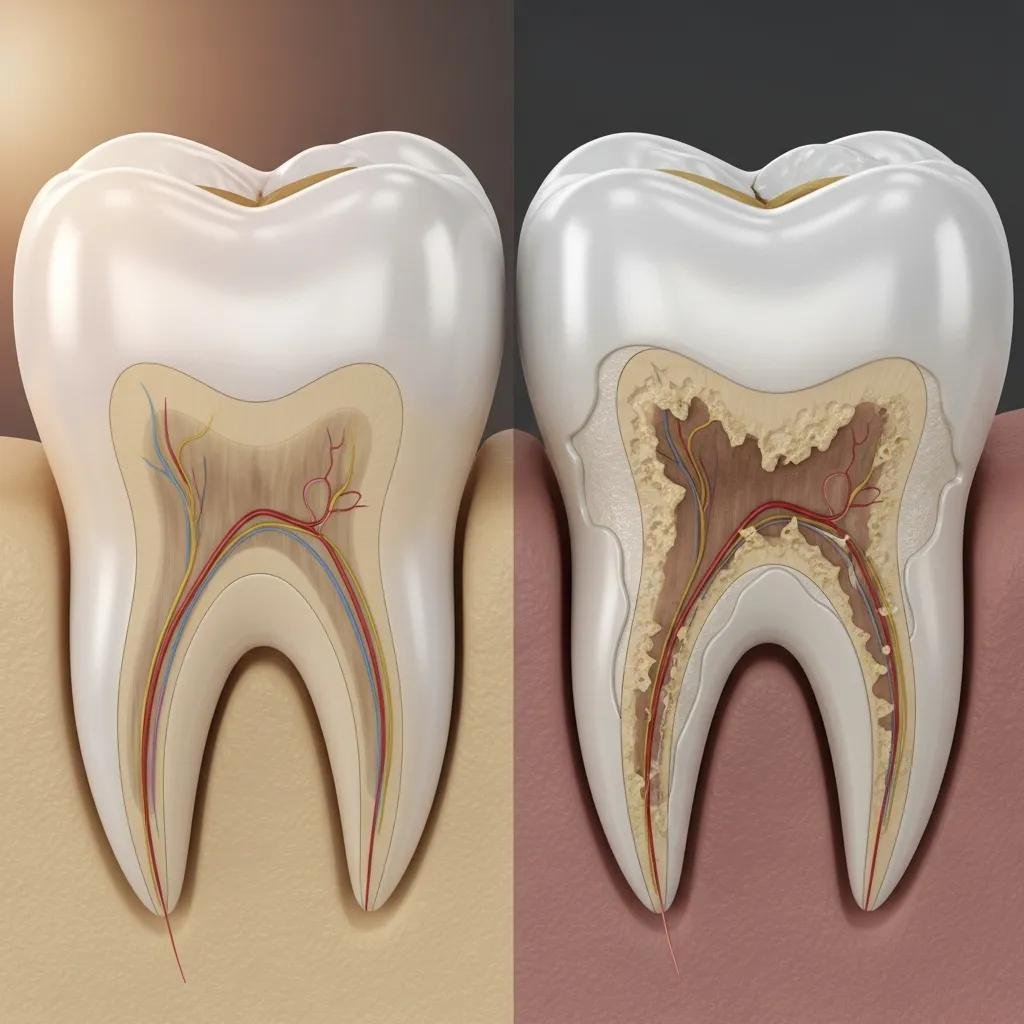
Enamel erosion removes the hard outer layer and exposes the more sensitive dentin. Key contributors are frequent acidic foods and drinks, aggressive brushing, and some medical conditions. Slowing further erosion by moderating acids and using gentle oral care reduces sensitivity.
What Role Do Gum Recession and Dental Conditions Play?
Gum recession exposes roots and dentin, increasing sensitivity to temperature and touch. Cavities, cracks, and periodontal disease can worsen symptoms. Routine dental exams are important to detect and treat these conditions early.
Which Professional Treatment Options Are Available for Sensitive Teeth in Ontario?
Ontario dental clinics offer in-office and at-home options to reduce sensitivity and protect tooth structure. Common treatments include fluoride varnish or gel, professionally applied desensitizing agents, sealants, and targeted restorations. Dentists create customised plans based on the underlying cause.
How Does Fluoride Treatment Help Relieve Tooth Sensitivity?
Fluoride supports remineralisation and strengthens enamel. A varnish or gel applied in the office (and complementary home-use products) can rebuild weakened enamel and provide a protective layer that reduces sensitivity over time.
What Are Desensitizing Dental Procedures Offered by Dentists?
Desensitizing procedures block pathways between the tooth surface and the nerve. Options include topical agents, sealants over exposed areas and restorative treatment for damaged teeth. Treatment is tailored to severity and cause to achieve dependable symptom control.
Beautiful Smiles Ontario is a local practice offering diagnosis, fluoride treatments, desensitizing options and home-care guidance for sensitive teeth.
What Home Remedies and Lifestyle Tips Can Alleviate Sensitive Teeth?

Alongside professional care, simple home measures ease sensitivity. Use a desensitizing toothpaste, brush gently with a soft brush, avoid highly acidic foods, and follow any instructions from your dentist.
Which Natural Remedies Provide Effective Tooth Sensitivity Relief?
These home options can provide short-term comfort while you arrange professional care:
- Saltwater Rinse: Warm saltwater can reduce gum inflammation and aid healing.
- Clove Oil: Has mild analgesic effects; apply carefully to the affected area.
- Honey: May soothe gums and support oral comfort due to its antibacterial properties.
Use these as temporary measures and consult a dentist for lasting treatment.
How Can Daily Habits and Oral Care Products Reduce Sensitivity?
Consistent, gentle oral care helps prevent further damage and reduce sensitivity. Key practices include:
- Using a Soft-Bristled Toothbrush to protect enamel and gums.
- Brushing Gently to avoid abrasive wear.
- Regular Dental Check-Ups to catch issues early.
These habits, combined with the right products, lower sensitivity and protect long-term oral health.
Professional Treatment Options for Sensitive Teeth in Ontario
Choose clinically proven toothpastes that target nerve response and support enamel. If symptoms persist, worsen, or are accompanied by pain or visible damage, seek professional care.
What Are the Recommended Toothpastes for Sensitive Teeth Relief?
Look for active ingredients with evidence of benefit:
- Potassium Nitrate: Helps block nerve signals.
- Strontium Chloride: Can help seal dentin tubules.
- Fluoride: Strengthens enamel and prevents decay.
Used consistently, products with these actives often reduce sensitivity.
Clinical studies have demonstrated potassium nitrate’s effectiveness when used in toothpaste or mouthwash.
Potassium Nitrate for Sensitive Teeth: Toothpaste & Mouthwash Efficacy
Potassium Nitrate has been used as a desensitizing agent to treat dentinal hypersensitivity. The effectiveness of a potassium nitrate is evaluated both in the form of a toothpaste and a mouthwash in a clinical study. The results of both the assessment methods indicated that potassium nitrate toothpaste as well as mouthwash showed statistically significant decrease in the sensitivity score on a Visual Analogue Scale. This was effective in reducing the symptoms of dentinal hypersensitivity when used either as toothpaste or as a mouthwash.
Evaluation of the clinical efficacy of potassium nitrate desensitizing mouthwash and a toothpaste in the treatment of dentinal hypersensitivity, S Sharma, 2012
When Should You Schedule an Appointment with a Dentist in Ontario?
See a dentist if sensitivity is persistent, severe, or interferes with daily life, or if you notice pain, visible damage, swelling or bleeding. Professional evaluation can diagnose the cause and recommend effective, lasting treatment.
- Severe Sensitivity: Significant discomfort that affects daily activities.
- Visible Damage: Cracks, chips, or decay that need repair.
- Gum Issues: Signs of gum disease such as swelling or bleeding.
Regular dental visits remain essential for early diagnosis and long-term solutions.
Frequently Asked Questions
What lifestyle changes can help prevent tooth sensitivity?
Limit acidic foods and drinks, brush gently with a soft brush, floss daily, address grinding with your dentist, and keep regular dental check-ups.
Are there any specific foods to avoid if I have sensitive teeth?
Avoid frequent acidic foods and beverages (citrus, tomatoes, soda) and very hot or cold items; sticky sweets also raise decay risk.
How long does it take for treatments to relieve tooth sensitivity?
Some in-office procedures provide quick relief; desensitizing toothpaste and topical agents usually take several weeks of consistent use to show full benefit.
Can tooth sensitivity be a sign of a more serious dental issue?
Yes. Persistent sensitivity can indicate cavities, periodontal disease or cracked teeth and should be evaluated if accompanied by pain or visible problems.
What is the role of dental sealants in managing tooth sensitivity?
Sealants protect vulnerable surfaces by creating a barrier that reduces decay risk and limits dentin exposure to stimuli.
How can I tell if my toothpaste is effective for sensitive teeth?
Check for active ingredients like potassium nitrate or strontium chloride, use the product consistently, and expect measurable improvement within weeks; consult your dentist for recommendations.
Conclusion
Managing sensitive teeth begins with identifying the cause and combining targeted professional care with consistent home habits. Fluoride treatments, desensitizing products and lifestyle changes can reduce discomfort and protect tooth structure. Consult a dental professional to create a personalised plan and restore a more comfortable, pain-free smile.