
Gentle Pediatric Dental Care for Children in Ontario, CA

Gentle Pediatric Dental Solutions
Gentle pediatric dental care in Ontario, CA helps children get necessary treatment without fear. Dental anxiety can cause missed appointments and worse oral health. This article outlines how gentle pediatric dentistry reduces anxiety, describes safe sedation options, and highlights preventive care and family education. It also summarizes Beautiful Smiles Ontario’s compassionate, child-centered approach.
Alleviating Dental Anxiety in Children at Beautiful Smiles Ontario
Gentle pediatric dentistry uses targeted strategies to reduce fear and encourage cooperation. A welcoming clinic, clear communication, and simple anxiety‑reduction techniques make procedures more comfortable and help children develop a positive attitude toward dental care.
Positive early visits are linked to lower fear and better oral‑health outcomes.
Reducing Pediatric Dental Fear Through Positive Experiences
It has been shown that positive experiences can reduce dental fear and improve children’s oral health–related quality of life.
Nonpharmacologic intervention on the prevention of pain and anxiety during pediatric dental care: a systematic review, ML Goettems, 2017
What Are Common Signs and Causes of Dental Anxiety in Children?
Common signs of dental anxiety include:
- Crying or Tantrums: Emotional outbursts when faced with visits.
- Avoidance Behavior: Refusal or reluctance to attend appointments.
- Physical Symptoms: Stomachaches or headaches before a visit.
Recognizing these signs helps parents and clinicians address root causes and choose appropriate supports.
Which Anxiety Reduction Techniques Are Used in Kid-Friendly Dental Offices?
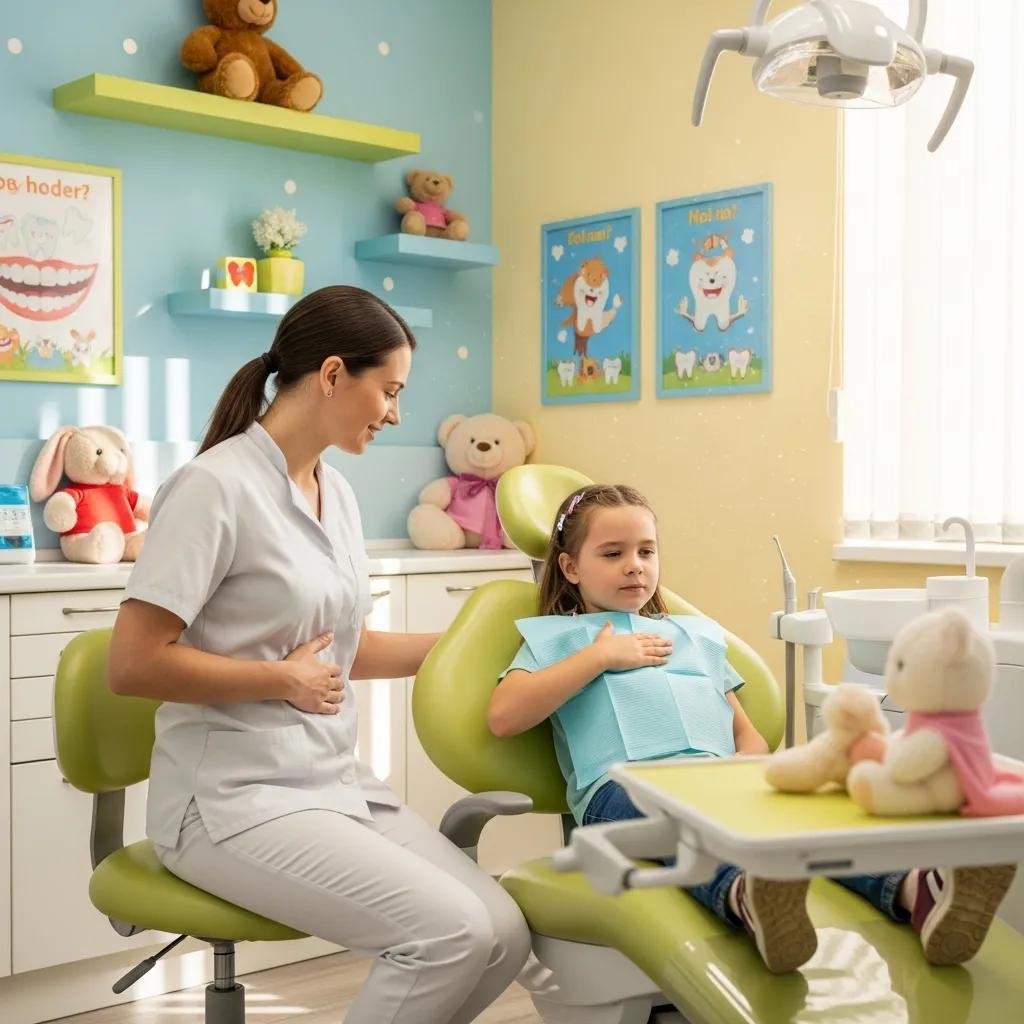
Kid-friendly practices use several techniques to create a calming visit and increase cooperation.
- Open Communication: Simple explanations so children know what to expect.
- Relaxation Techniques: Breathing exercises and visualization to reduce stress.
- Soothing Environments: Child-focused decor, toys, and distractions to ease fears.
Beautiful Smiles Ontario combines these methods to help children feel secure during care.
What Pediatric Dental Sedation Options Are Safe and Effective for Children in Ontario?
Sedation can safely manage anxiety and keep children comfortable for necessary procedures. Providers select sedation level and agent based on the child’s age, medical history, and the treatment’s complexity.
How Do Sedation Methods Support Gentle Care and Comfort?
Common options include nitrous oxide (laughing gas) and oral sedatives. Sedation supports care by:
- Reducing Anxiety: Calms children so treatment can proceed.
- Enhancing Comfort: Minimizes distress during procedures.
- Tailored Approaches: Levels are adjusted for the child and procedure.
All sedation is monitored for safety and clinical effectiveness.
Appropriate strategies improve cooperation and treatment outcomes.
Safe Sedation Strategies for Pediatric Dental Anxiety
Aim: This research aims to explore and evaluate various sedation strategies used in paediatric dentistry, focusing on effectively and safely addressing dental anxiety to improve cooperation during dental treatment in paediatric patients.
Pharmacological sedation in paediatric dentistry, F Inchingolo, 2024
What Are the Benefits and Risks of Pediatric Dental Sedation?
Benefits include:
- Reduced Dental Anxiety: Easier, calmer visits.
- Increased Cooperation: Children are more manageable during treatment.
- Efficient Treatment: Procedures can often be completed more quickly.
Potential risks to discuss with the dentist:
- Side Effects: Mild nausea or drowsiness in some children.
- Allergic Reactions: Rare but possible.
- Over-sedation: Proper dosing and monitoring prevent complications.
Parents should review benefits, risks, and medical history with the dental team before sedation.
How Can Preventive Pediatric Dentistry Protect Children’s Teeth in Ontario?
Preventive care focuses on early detection and disease prevention to avoid more serious problems later. Regular preventive visits build habits and reduce future treatment needs.
Evidence supports long‑term benefits from consistent early care.
Impact of Early Pediatric Dental Visits on Long-Term Outcomes
This study examined whether early dental visits within a suburban pediatric dental practice impacted children’s long-term dental outcomes. One important finding was that as the age at which children had their first dental visit increased, the likelihood of requiring future operative treatments also increased.
Early preventive dental visits: do they reduce future operative treatments?, M Hung, 2022
Which Preventive Treatments Help Avoid Cavities in Children?
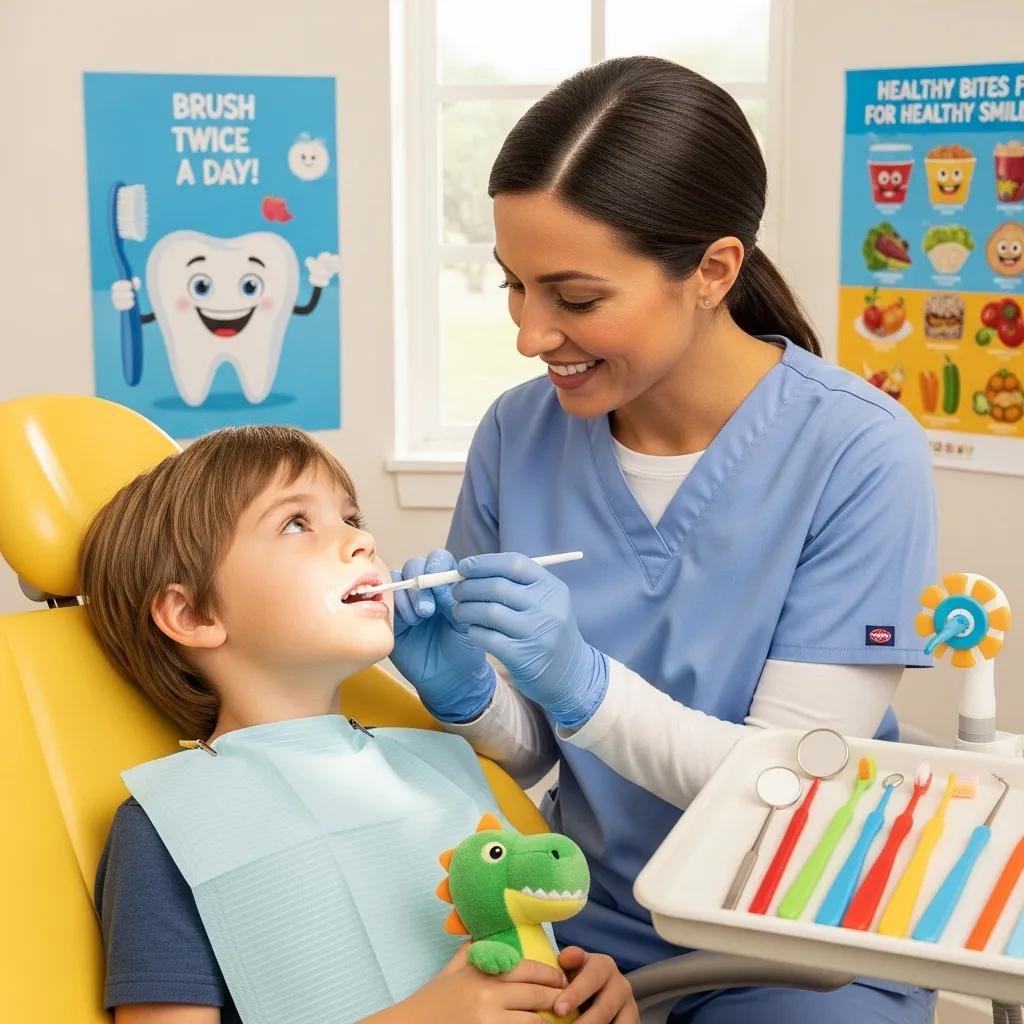
Key preventive treatments include:
- Fluoride Treatments: Strengthen enamel and reduce cavities.
- Dental Sealants: Protect molar chewing surfaces from decay.
- Regular Cleanings: Remove plaque and tartar to prevent disease.
These are central to a preventive care plan for children.
How Does Family Education Enhance Children’s Oral Health Outcomes?
Family education supports daily habits and better outcomes by:
- Modeling Hygiene: Parents show proper brushing and flossing.
- Establishing Routines: Consistent at‑home care reinforces oral health.
- Providing Nutrition Guidance: Healthy diets reduce decay risk.
Beautiful Smiles Ontario integrates family education into visits to create a positive experience.
Frequently Asked Questions
What age should my child have their first dental visit?
By their first birthday or within six months of the first tooth erupting. Early visits create a dental home and enable preventive care.
How can I help my child prepare for a dental visit?
Use simple, reassuring language, role‑play a visit, and bring a comfort item or an age‑appropriate book to familiarise them with the experience.
Are there specific dietary recommendations to support my child’s dental health?
Encourage fruits, vegetables, whole grains, and dairy. Limit sugary snacks and drinks, and promote fluoridated water when available.
What should I do if my child has a dental emergency?
Act quickly. For a knocked‑out tooth, hold by the crown, rinse, and try to reinsert it, or place it in milk and seek immediate care. For severe pain, rinse with warm salt water and contact the dentist.
How often should my child visit the dentist for check-ups?
Typically every six months, or as recommended by the dentist based on individual needs.
What role does dental insurance play in pediatric dental care?
Insurance can offset costs for preventive services. Check plan details and contact your provider or dental office with coverage questions.
Conclusion
Gentle pediatric dental care reduces anxiety and ensures necessary treatment is delivered in a supportive setting. Combining anxiety‑reduction techniques, safe sedation when needed, preventive care, and family education helps practices like Beautiful Smiles Ontario create positive experiences and better long‑term oral health. Parents should prioritize early visits and discuss options with their child’s dentist to establish healthy habits.