

Sedation Dentist in Ontario, CA for Anxiety-Free Visits

Anxiety-Free Dental Care in Ontario
Dental anxiety affects many people and can make routine visits stressful. Sedation dentistry offers techniques to keep patients relaxed and comfortable during treatment. This article explains sedation options available in Ontario, CA, how they reduce anxiety, the safety measures used, who may benefit, and likely costs so patients can make informed decisions about their dental care.
Understanding Dental Anxiety and Its Impact
Dental anxiety is a common condition that is associated with avoidance of dental treatment and increased medical and surgical risks [1]. As a physiological response to stressful conditions, it can generate heart rate and blood pressure increase, pallor, excessive sweating, dizziness and lead to a fight or flight response [1]. Dental anxiety is also one of the main factors that impairs dental treatment, thus representing a challenge to professional care [2,3].
Conscious sedation for the management of dental anxiety in third molar extraction surgery: a systematic review, M Melini, 2020
Key Sedation Dentistry Options for Anxiety Relief in Ontario, CA
Sedation dentistry includes several techniques to reduce patient anxiety during procedures. The most common options are:
- Oral Sedation: Taking a sedative pill before the appointment to feel relaxed and calm.
- IV Sedation: Delivered via an intravenous line for a deeper but controlled sedation (often called “moderate sedation”) while patients remain responsive.
- Nitrous Oxide: Laughing gas inhaled during the visit to ease anxiety while keeping the patient conscious and able to respond.
Beautiful Smiles Ontario offers these sedation methods and chooses the best option for each patient’s needs.
How Does Oral Sedation Dentistry Work to Reduce Dental Anxiety?

Oral sedation uses a prescribed pill taken about 30–60 minutes before the appointment so it is active on arrival. It suits patients with mild to moderate anxiety, helping them stay awake and responsive while feeling calm. Dosage and drug choice are tailored to the patient’s anxiety level and medical history for a safe, individualized approach.
Clinical studies support the effectiveness and safety of oral sedation for managing dental anxiety during procedures.
Effectiveness & Safety of Oral Sedation in Dentistry
This study evaluated the effectiveness and safety of oral sedation in patients undergoing dental procedures. The strengths of the present review include its explicit eligibility criteria, comprehensive search strategy, and the inclusion of only randomized controlled trials, which are considered the gold standard for evaluating interventions.
Effectiveness and safety of oral sedation in adult patients undergoing dental procedures: a systematic review, C de Cássia Bergamaschi, 2021
What Are the Benefits of Sleep Dentistry and Other Sedation Methods?
Deep sedation (sleep dentistry) and other methods offer advantages for anxious patients. Key benefits include:
- Reduced Anxiety: Sedation lowers anxiety levels so visits are more manageable.
- Enhanced Comfort: Many patients feel significantly more comfortable during procedures.
- Amnesia Effect: Patients often have little or no memory of the procedure, reducing fear of future visits.
These benefits make sedation a good option for people who otherwise avoid care due to fear.
How Does Sedation Dentistry Ensure Safety and Comfort During Dental Procedures?
Patient safety and comfort are central. Dentists follow established protocols to manage risks and maintain a controlled treatment environment.
What Safety Protocols Are Followed by Sedation Dentists at Beautiful Smiles Ontario?
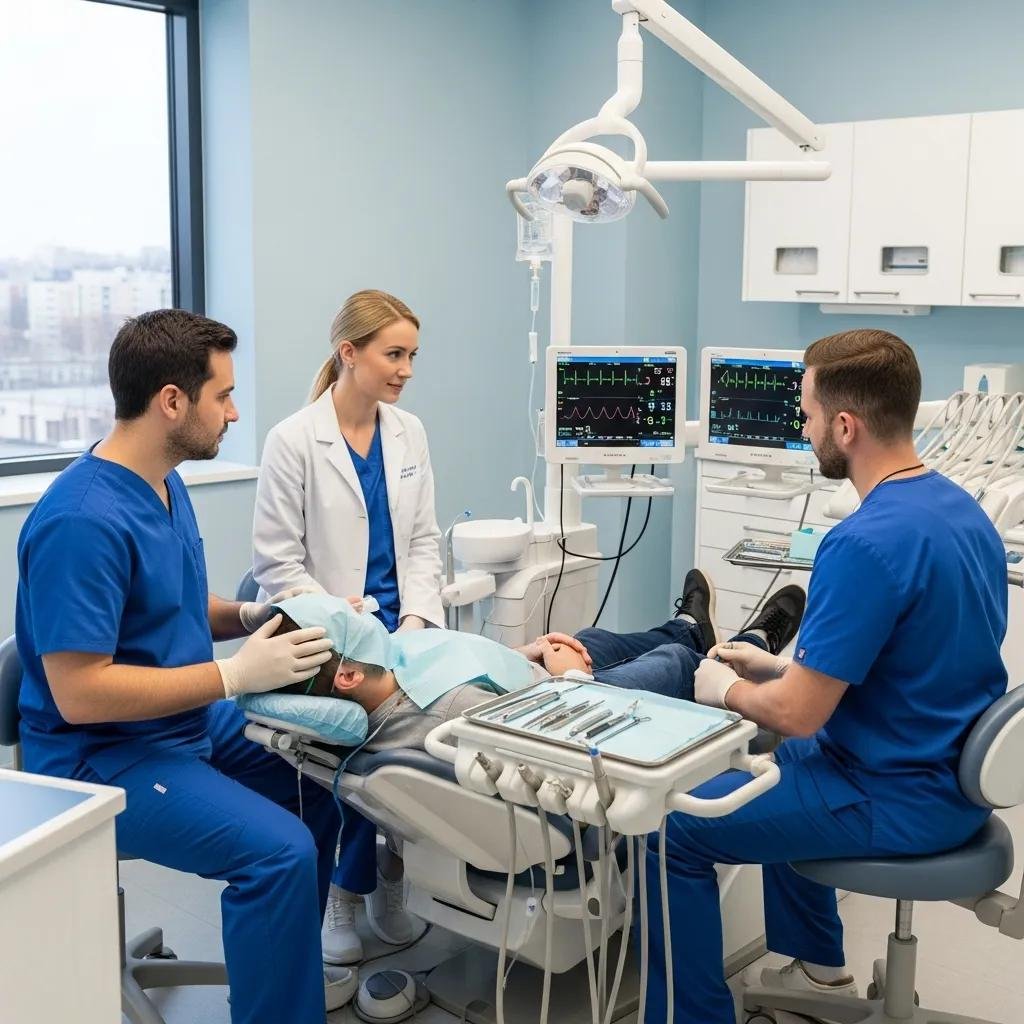
Beautiful Smiles Ontario follows clear safety protocols, including:
- Comprehensive Medical History Review: Each patient’s history is reviewed to spot potential sedation risks.
- Customized Sedation Options: Methods are chosen based on needs and anxiety level to maximize safety and comfort.
- Monitoring During Procedures: Vital signs (heart rate, blood pressure, oxygen) are monitored continuously while sedated.
- Post-Treatment Care: Patients receive recovery instructions and guidance for safe follow-up.
Together, these measures reduce discomfort and maintain clinical safety.
Following established guidelines is essential to protect patient safety and comfort during any sedation procedure.
Safe Sedation Practices in Adult Dental Care
This practical guide has been developed to ensure safe and effective sedation performed in adult patients outside of the operating room, for instance in intensive care units and dental treatment rooms and in the field of palliative care. Sedation levels are classified based on level of consciousness, airway reflex, spontaneous ventilation, and cardiovascular function. Deep sedation induces loss of consciousness and protective reflexes, and can cause respiratory depression and pulmonary aspiration. Appropriate analgesia is necessary for procedures that require deep sedation. The sedationist should evaluate the risks of the planned procedure, explain the sedation process to the patient, and obtain the patient’s informed consent.
Practical guide for safe sedation, 2023
How Should Patients Prepare for Sedation Dentistry Appointments?
Preparing for sedation helps ensure a smooth visit. Patients should:
- Discuss Medical History: Tell the dentist about medications, allergies, and health conditions.
- Ask About Sedation Options: Learn which method best fits their anxiety and treatment.
- Plan for Recovery: Arrange for someone to drive them home after the procedure.
- Avoid Eating or Drinking: Follow fasting instructions—often no food or drink for at least 6 hours before deeper sedation.
Following these steps supports a safer, more effective sedation experience.
Who Can Benefit from Sedation Dentistry: Adults, Children, and Special Cases?
Sedation dentistry helps a wide range of patients, including:
- Adults with Anxiety: Enables necessary care for anxious adults.
- Children Needing Dental Work: Pediatric patients may be calmer and easier to treat with sedation.
- Patients with Special Needs: Individuals with disabilities or special needs often benefit from sedation to manage anxiety and discomfort.
What Are the Considerations for Pediatric Sedation Dentistry?
Pediatric sedation demands careful evaluation to keep children safe and comfortable:
- Medical History Importance: A thorough review is essential.
- Anxiety Levels: Assessing anxiety helps select the right method.
- Parental Involvement: Parents should take part in decisions about sedation.
- Special Guidelines: Children require precise dosing, monitoring, and sometimes specialized training for the dental team.
How Does Sedation Dentistry Address Different Levels of Dental Anxiety?
Options are matched to anxiety severity: nitrous oxide often suffices for mild anxiety, while oral or IV sedation may be used for greater fear. This range helps dentists provide appropriate, comfortable care for each patient.
What Are the Costs and Insurance Options for Sedation Dentistry in Ontario, CA?
Knowing costs is important when considering sedation dentistry.
How Transparent Are Sedation Dentistry Pricing and Payment Plans?
Beautiful Smiles Ontario gives clear cost estimates before procedures and may offer payment plans to help manage expenses.
Which Insurance Plans Typically Cover Sedation Dentistry Services?
Some insurance plans cover sedation when it is medically necessary; patients should verify benefits. Plans that may provide coverage include:
- PPO Plans: Often include sedation services when justified by the procedure or patient need.
- Medicaid: Some state Medicaid programs may cover sedation for eligible patients based on medical necessity.
- Employer-Sponsored Plans: Coverage varies, so check with the employer’s benefits coordinator.
Understanding costs and coverage helps patients make informed choices about sedation dentistry.
Frequently Asked Questions
What should I expect during a sedation dentistry appointment?
Expect a calm, controlled environment. After reviewing your medical history, the dentist will give the chosen sedative and monitor vital signs throughout. You may feel drowsy but remain responsive. After treatment you’ll get recovery instructions and should arrange transportation home.
Are there any risks associated with sedation dentistry?
Sedation is generally safe but carries risks such as allergic reactions, respiratory issues, or interactions with other conditions or medications. Dentists review medical history and take precautions to minimise these risks.
How long do the effects of sedation last?
Duration varies by method: nitrous oxide clears within minutes, oral sedation can last several hours with daytime drowsiness, and IV sedation often requires a longer recovery. Follow your dentist’s instructions and avoid driving until fully alert.
Can sedation dentistry be used for routine check-ups?
Yes—patients with significant anxiety may use sedation even for routine cleanings to make visits manageable.
What should I do if I have a history of adverse reactions to sedation?
Tell your dentist about any past adverse reactions. The team will review your history and recommend alternatives or extra precautions; lighter or non-sedation options may be advised in some cases.
Is sedation dentistry suitable for everyone?
Not always. People with severe respiratory conditions, certain allergies, pregnancy, or specific medications need special assessment. A thorough evaluation will determine if sedation is appropriate.
Conclusion
Sedation dentistry can reduce anxiety, improve comfort, and create a more positive dental experience for patients in Ontario. Understanding available options helps patients choose care that prioritizes their well-being. Beautiful Smiles Ontario provides personalised sedation plans tailored to each patient’s needs. Schedule a consultation to discuss how sedation dentistry can make your visits less stressful.