
Multiple Teeth Dental Implants in Ontario, CA

Comprehensive Guide to Multiple Teeth Dental Implants in Ontario, CA: Costs, Procedures, and Recovery
Multiple teeth dental implants offer a reliable solution for individuals facing tooth loss, providing both functional and aesthetic benefits. This comprehensive guide will delve into the various aspects of multiple teeth dental implants, including their types, procedures, costs, and recovery processes. Many people struggle with the challenges of missing teeth, which can affect their confidence and oral health. Fortunately, dental implants can restore not only the appearance of a full smile but also the ability to chew and speak comfortably. In this article, we will explore the different types of dental implants, the step-by-step procedures involved, the associated costs, and the recovery process, ensuring you have all the information needed to make an informed decision.
Overview of Dental Implants
Dental implants are artificial tooth roots that provide a permanent base for fixed or removable replacement teeth. They are designed to blend in with your natural teeth, offering a solution that is both functional and aesthetically pleasing. The primary purpose of dental implants is to restore the ability to chew and speak effectively while also preventing bone loss in the jaw, which can occur after tooth loss. By mimicking the structure of natural teeth, dental implants help maintain facial structure and prevent the sunken appearance that often accompanies tooth loss.
Types of Dental Implants
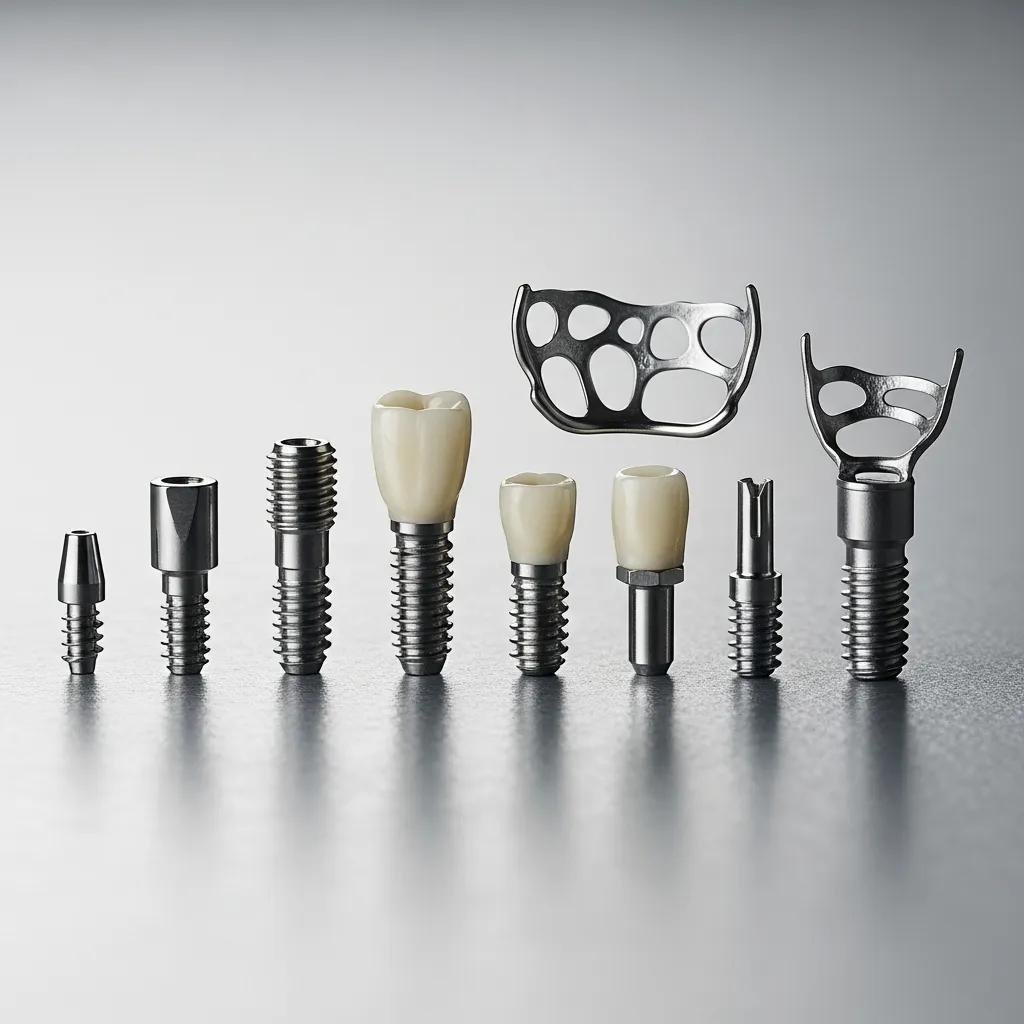
There are several types of dental implants available, each designed to meet specific needs and preferences. The most common types include:
- Endosteal Implants: These are the most widely used type of dental implants, placed directly into the jawbone. They can hold one or more prosthetic teeth.
- Subperiosteal Implants: These implants are placed under the gum but above the jawbone, suitable for patients who do not have enough healthy jawbone for endosteal implants.
- Mini Implants: Smaller in diameter than traditional implants, mini implants are often used in situations where there is limited space or bone.
- All-on-4 Implants: This technique involves placing four implants in the jaw to support a full arch of teeth, providing a stable and efficient solution for those needing multiple teeth replaced.
Understanding Multiple Teeth Dental Implants in Ontario, CA
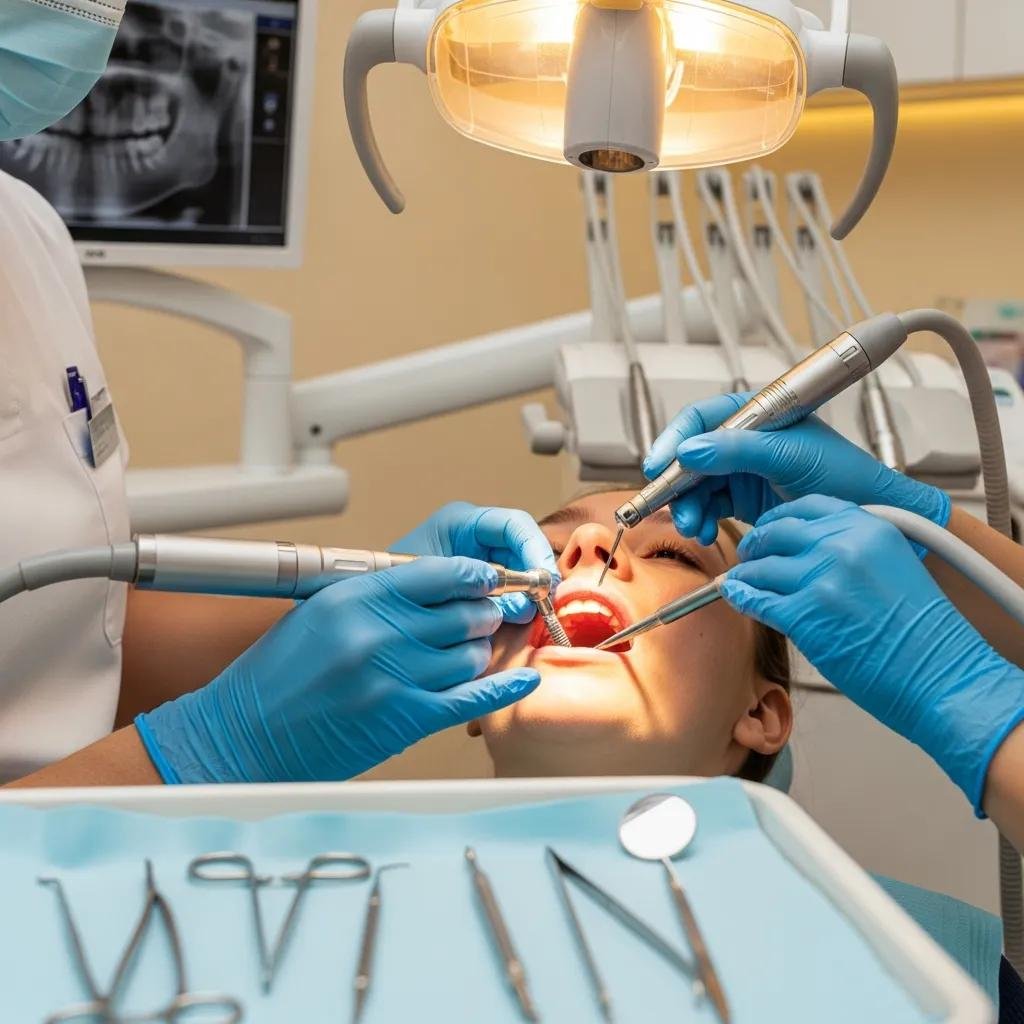
The dental implant procedure typically involves several key steps:
- Consultation: A thorough examination and imaging tests are conducted to assess the patient’s oral health and determine the best treatment plan.
- Implant Placement: The dental implant is surgically placed into the jawbone, where it will fuse with the bone over time in a process called osseointegration.
- Healing Phase: After the implant is placed, a healing period of several months is required for the bone to integrate with the implant.
- Crown Placement: Once healing is complete, a custom-made crown is attached to the implant, completing the restoration.
Costs
The costs associated with multiple teeth dental implants can vary significantly based on several factors, including the type of implant, the number of implants needed, and the complexity of the procedure. Here is a breakdown of typical costs:
- Single Implant Placement: CAD $2,000 – $5,000
- Abutment and Crown: CAD $1,200 – $2,000
- Bone Graft or Sinus Lift: CAD $800 – $2,500
- Full-Arch All-on-4 Restoration: CAD $20,000 – $35,000
These costs can add up, especially for multiple implants, making it essential to understand the financial aspects before proceeding.
Further research highlights the long-term value and cost-effectiveness of dental implants, especially when considering their durability.
Cost-Effectiveness of Multiple Teeth Dental Implants
For the replacement of multiple teeth, dental implants (fixed or removable prostheses) were evaluated in cost-effectiveness analyses. Additionally, a substantial proportion of studies were performed over a long-term follow-up period, which is important for assessing the durability and long-term value of dental implants.
Evaluating the health economic implications and cost-effectiveness of dental implants: a literature review., 2013
Insurance and Financing
Many dental insurance plans offer some coverage for dental implants, but the extent of coverage can vary. It’s important to check with your insurance provider to understand your benefits. Additionally, financing options are often available through dental practices, allowing patients to manage the costs through payment plans. Beautiful Smiles Ontario provides various financing options to help make dental implants more accessible.
While immediate provisional restorations offer quick results, it’s important to consider the additional costs and efforts involved compared to definitive restorations.
All-on-4 Immediate Restoration: Provisional vs. Definitive Costs
All-on-4 concept allows an immediate restoration, which is frequently a provisional restoration (PR), and will be replaced by a definitive restoration (DR) a few months later. However, this approach involves much higher treatment efforts and costs, compared to a DR immediately after implantation. PRs were mostly incorporated in the introductory phase of the All-on-4 concept in our respective clinics.
Evaluation of the surgical and prosthetic success of All-on-4 restorations: a retrospective cohort study of provisional vs. definitive immediate restorations, 2021
Recovery Process
The recovery process after dental implant surgery is crucial for the success of the implants. Patients can expect some swelling and discomfort in the days following the procedure. Pain management typically involves over-the-counter pain relievers, and it’s essential to follow the dentist’s aftercare instructions closely.
Effective management of post-operative pain is a key aspect of the recovery process, ensuring patient comfort and successful healing.
Managing Post-Operative Pain After Dental Implant Placement
Although dental implant placements have high success rates and a low incidence of morbidity, post-operative pain and complications with the healing process have been reported. There is little guidance available regarding optimal pre- and post-operative management of dental implant placement. This first paper discusses the mechanisms of pain associated with dental implant placement and offers guidance to clinicians on optimal pre- and post-operative pain management regimes.
Pre-and post-operative management of dental implant placement. Part 1: management of post-operative pain, 2014
Expected Recovery Timeline and Aftercare Instructions
The recovery timeline can vary, but most patients can expect the following:
- First Week: Swelling and discomfort are common; soft foods are recommended.
- 2-4 Weeks: Most patients return to normal activities, but care should be taken to avoid strenuous activities.
- 3-6 Months: Full healing occurs, and the implant integrates with the jawbone.
Following proper aftercare instructions, such as maintaining oral hygiene and attending follow-up appointments, is vital for a successful recovery.
Benefits of Dental Implants
Choosing dental implants comes with numerous advantages, including:
- Natural Appearance: Implants look and feel like natural teeth, enhancing your smile.
- Long-lasting Stability: With proper care, dental implants can last a lifetime, making them a cost-effective solution in the long run.
- Bone Preservation: Implants help maintain jawbone density, preventing the bone loss that often occurs with missing teeth.
Beautiful Smiles Ontario is dedicated to providing high-quality dental implants, ensuring that patients receive the best care and outcomes.
Potential Risks
While dental implants are generally safe, there are potential risks associated with the procedure, including:
- Surgical Infection: As with any surgery, there is a risk of infection at the implant site.
- Nerve Irritation: Improper placement can lead to nerve damage, causing pain or numbness.
- Sinus Complications: For upper jaw implants, there is a risk of sinus issues if the implant protrudes into the sinus cavity.
Understanding these risks can help patients make informed decisions about their dental health.
Candidacy for Implants
Not everyone is a suitable candidate for dental implants. Ideal candidates typically meet the following criteria:
- Health Requirements: Good overall health and oral health are essential for successful implant placement.
- Bone Density Considerations: Sufficient bone density is necessary to support the implant; bone grafting may be required for those with insufficient bone.
- Gum Health: Healthy gums are crucial for the success of dental implants.
Consulting with a dental professional can help determine candidacy and any necessary preparatory steps.