
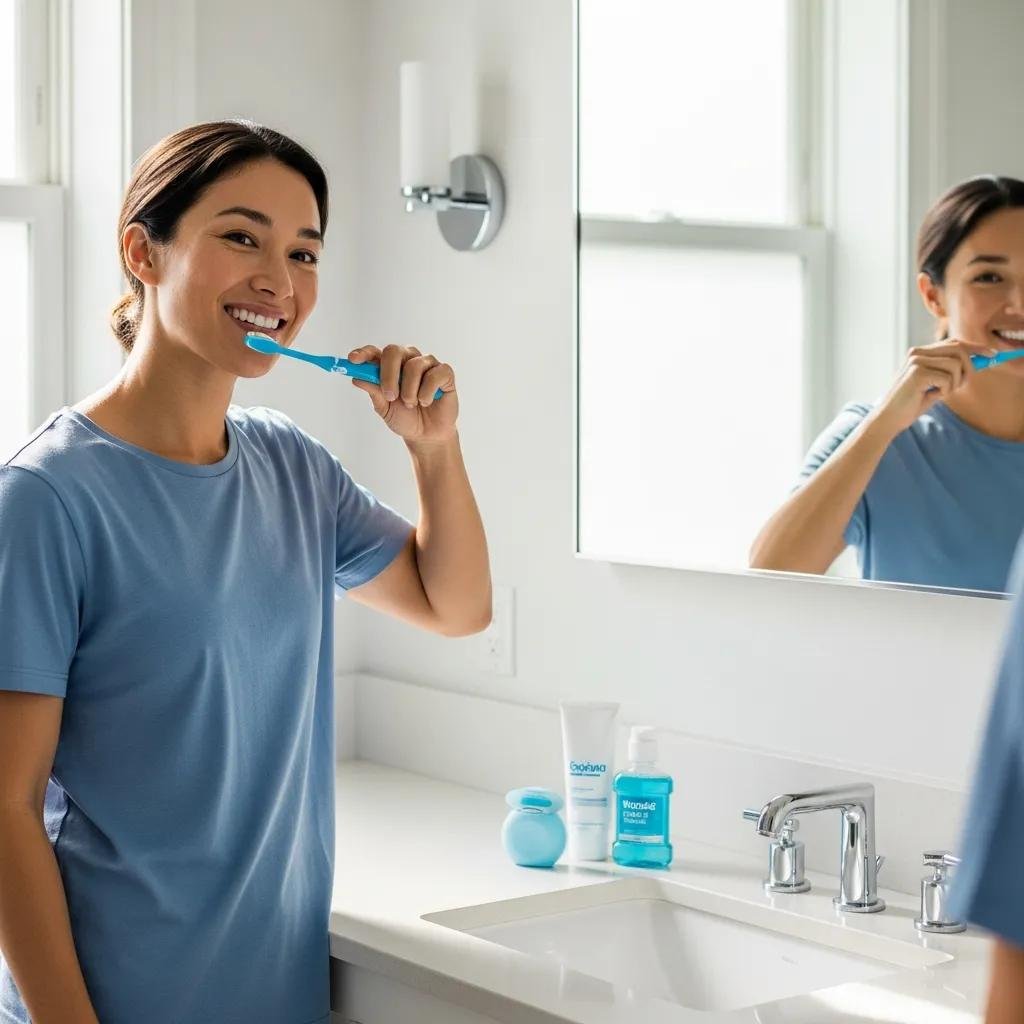
Perfect Your Brushing Skills
Clean teeth are fundamental to oral health. Effective brushing removes plaque, lowers gum disease risk, and prevents many dental problems. This article describes proper technique, common errors to avoid, recommended frequency and duration, and practical tips for maintaining healthy gums.
What Are the Best Tooth Brushing Techniques for Healthy Teeth?
Effective brushing removes plaque and helps prevent cavities and gum disease. Use a soft-bristled toothbrush, angle bristles 45° to the gums, and brush at least two minutes to clean all surfaces.
How to Brush Teeth Properly: Step-by-Step Instructions
Follow these step-by-step instructions to brush correctly:
- Choose the Right Tools: Use a soft-bristled toothbrush and fluoride toothpaste to protect your enamel and gums.
- Position Your Toothbrush: Hold the toothbrush at a 45-degree angle to your gums.
- Brush All Surfaces: Gently brush the outer, inner, and chewing surfaces of each tooth using short, circular motions.
- Clean Your Tongue: Don’t forget to brush your tongue to remove bacteria and freshen your breath.
- Rinse Your Mouth: After brushing, rinse your mouth thoroughly with water.
Follow the steps for a thorough clean.
Which Toothbrush Types Are Recommended by Dental Professionals?
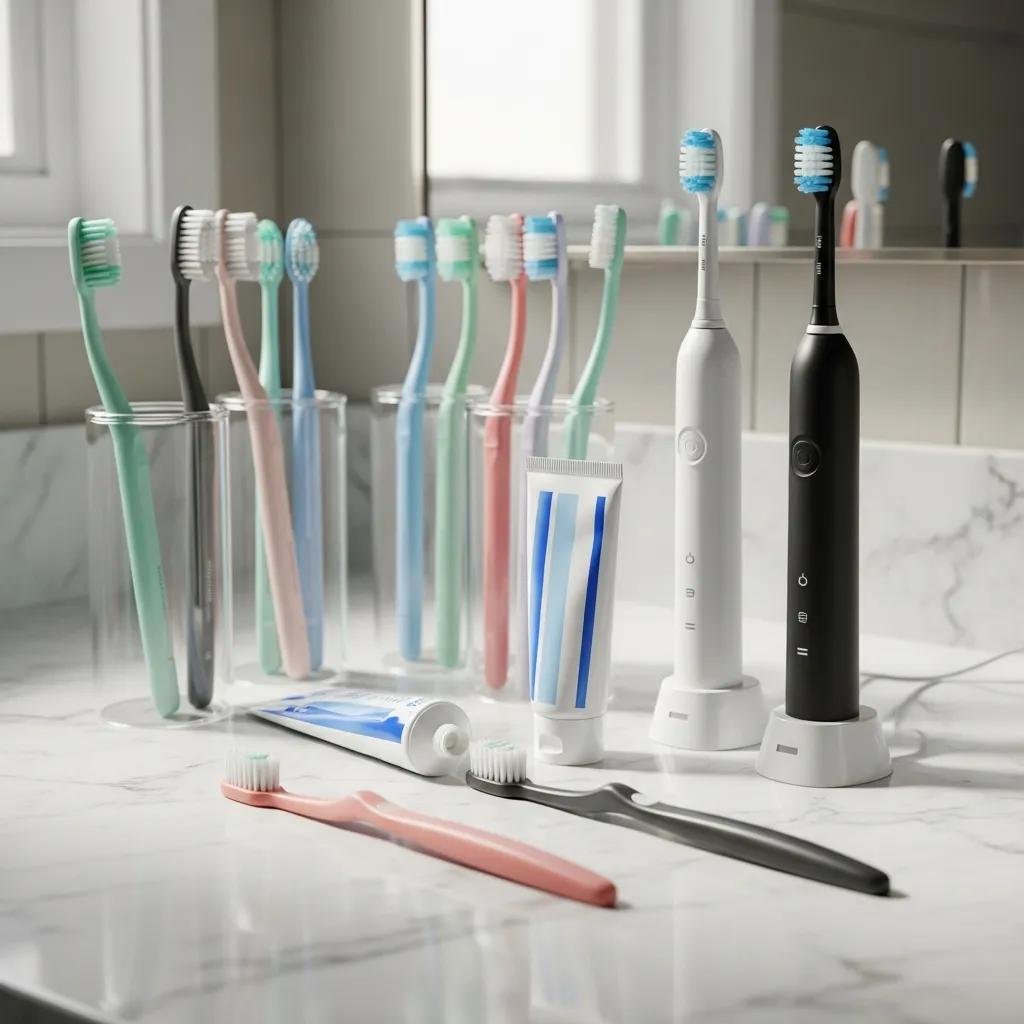
Dentists commonly recommend soft-bristled brushes and electric models for improved plaque removal, especially for people with limited dexterity.
- Soft-Bristled Toothbrushes: These are gentle on gums and effective at removing plaque without causing damage.
- Electric Toothbrushes: Many studies suggest that electric toothbrushes can provide a more thorough clean compared to manual brushing, especially for individuals with limited dexterity.
Choosing the right brush can improve daily hygiene.
What Are Common Tooth Brushing Errors and How Can They Be Avoided?
Common brushing errors can undermine oral health; correcting them is essential.
What Mistakes Harm Gums and Reduce Cleaning Effectiveness?
Several frequent brushing mistakes can harm your gums and reduce cleaning effectiveness:
- Brushing Too Hard: Applying excessive pressure can lead to gum recession and enamel wear.
- Not Replacing Your Toothbrush: Using a worn-out toothbrush can be less effective at cleaning teeth.
- Neglecting to Clean Between Teeth: Failing to floss or use interdental brushes can leave plaque between teeth, leading to cavities.
Awareness of these mistakes allows you to adjust your habits and achieve better results.
How to Adjust Brushing Pressure to Protect Sensitive Teeth and Gums
Protecting sensitive teeth needs light pressure; use a soft brush or an electric model with a pressure sensor. Consider the following practical tips:
- Use a Soft-Bristled Toothbrush: This helps minimize irritation to sensitive gums.
- Practice Gentle Brushing: Focus on using light pressure and gentle circular motions rather than aggressive scrubbing.
- Consider Electric Toothbrushes: Many electric toothbrushes have pressure sensors that alert you when you are brushing too hard.
These modifications help preserve gum health and reduce sensitivity.
Research emphasizes optimal force and adequate duration to avoid tissue damage and ensure effective cleaning.
Optimal Brushing Force & Duration for Oral Health Brushing is an everyday practice; it is very important to ensure a constant, applied force in the range of 1.0-2.5 Newtons, and duration should be 2-4 minutes. Excessive pressure on the teeth will damage the gums and enamels. Conversely, insufficient pressure and shorter duration will not serve the purpose of brushing. Force-sensitive classic toothbrush: System analysis, design, and simulation, M Akhtaruzzaman, 2021
How Often and How Long Should You Brush for Optimal Dental Health?
Both brushing frequency and duration are key to maintaining optimal dental health.
What Is the Recommended Brushing Frequency According to Dental Experts?
Dental experts recommend brushing at least twice daily—after breakfast and before bed—to remove plaque and food debris. This is supported by research.
Recommended Brushing Frequency for Oral Health oral hygiene measures at home. Therefore, tooth brushing twice daily is recommended by dental professionals to the patients taking care for their oral health and has shown to be effective in maintenance of oral health. Tooth brushing and oral health: how frequently and when should tooth brushing be performed?, T Attin, 2005
How Does Brushing Duration Impact Plaque Removal and Gum Health?
Brushing at least two minutes is necessary for effective plaque removal; using a timer or an electric toothbrush with a timer helps you meet this. Longer brushing times improve plaque removal.
Brushing Duration’s Impact on Plaque Removal over eight different brushing times to determine the optimal brushing duration. The results showed that plaque removal significantly increased with brushing time across the 60-s to 420-s brushing intervals, indicating the importance of adequate brushing duration for effective plaque control. Effects of brushing duration on the efficacy of dental plaque removal: An in vitro study, MA Saghiri, 2023
What Additional Tooth Brushing Tips Support Healthy Gums and Overall Oral Care?
Alongside correct brushing technique, a few other measures support gum health and overall oral care.
How to Integrate Brushing with Other Dental Hygiene Practices
To strengthen your oral hygiene routine, integrate these practices:
- Floss Daily: Flossing removes plaque and food particles from between teeth where a toothbrush cannot reach.
- Use Mouthwash: An antimicrobial mouthwash can help reduce plaque and gingivitis.
- Clean Your Tongue: Regularly brushing your tongue can help eliminate bacteria and improve breath freshness.
Together, these measures promote more comprehensive oral health.
What Advice Helps Patients Overcome Dental Anxiety During Brushing?

If you experience dental anxiety, the strategies below can make brushing more comfortable:
- Practice Relaxation Techniques: Deep breathing or mindfulness can help reduce anxiety before brushing.
- Establish a Routine: Consistency can help make brushing feel more familiar and less stressful.
- Communicate Concerns with Your Dental Team: Discussing your anxiety with your dentist can lead to tailored advice and support.
Addressing anxiety can make daily oral care calmer and more consistent.
Frequently Asked Questions
What is the best time of day to brush your teeth?
Brush after breakfast and before bed; wait about 30 minutes after acidic foods or drinks before brushing to protect enamel.
How can I tell if I’m brushing my teeth effectively?
Teeth should feel smooth and breath fresher; bleeding or sore gums may indicate poor technique or need for professional care.
Are there specific techniques for brushing sensitive teeth?
Use a soft-bristled brush and gentle motions; avoid aggressive scrubbing. Consider sensitivity toothpaste and consult your dentist for personalised advice.
How can I maintain my toothbrush for optimal hygiene?
Rinse your toothbrush, store it upright to air dry, and replace it every three to four months or after an illness.
What role does diet play in oral health and brushing effectiveness?
A balanced diet supports gum and tooth health; limit sugary foods that promote plaque and cavities. Crunchy fruits and vegetables can help clean teeth and stimulate gums.
Can children use the same brushing techniques as adults?
Children can use similar techniques adapted to their age and motor skills. Parents should supervise young children and use a pea-sized amount of fluoride toothpaste.
Conclusion
Master brushing with a soft-bristled toothbrush for at least two minutes, twice daily. Combine brushing with flossing and other care practices for best results, and consult dental resources or your dentist for personalised guidance. Patients considering restorative options can also learn about typical dental implant costs at Beautiful Smiles Ontario.