
Cosmetic Dental Bonding for Minor Imperfections in Ontario, CA
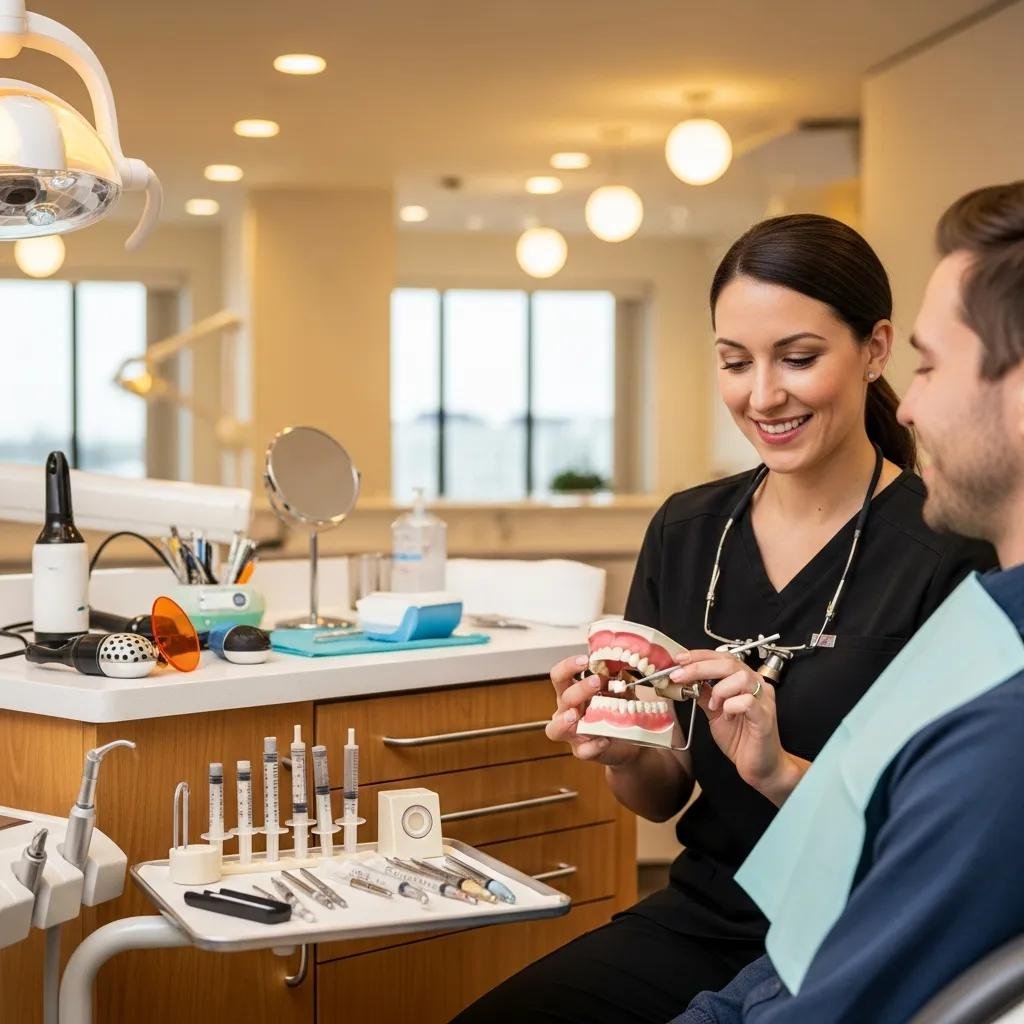
Cosmetic Dental Bonding: Repairing Smiles in Ontario, CA
Cosmetic dental bonding is a popular solution for individuals looking to address minor imperfections in their teeth. This procedure utilizes a composite resin material that can effectively repair chips, gaps, and discoloration, enhancing the overall appearance of your smile. In Ontario, CA, many dental practices, including Beautiful Smiles Ontario, offer this service, making it accessible for those seeking cosmetic enhancements. Patients often face challenges such as dissatisfaction with their smile or concerns about the longevity of dental treatments. Fortunately, cosmetic dental bonding provides a quick and effective solution to these issues. This article will explore the process of dental bonding, its benefits and limitations, and the costs associated with the procedure.
Cosmetic Dental Bonding in Ontario, CA
Cosmetic dental bonding is a procedure that involves applying a tooth-colored composite resin to repair minor imperfections in teeth. This technique is commonly used to address issues such as chips, cracks, and gaps, providing a seamless and natural-looking result. The bonding process is relatively quick, often completed in a single visit to the dentist. In Ontario, CA, Beautiful Smiles Ontario specializes in cosmetic dental bonding, ensuring that patients receive high-quality care tailored to their specific needs.
What Is Cosmetic Dental Bonding and How Does It Repair Minor Tooth Imperfections?
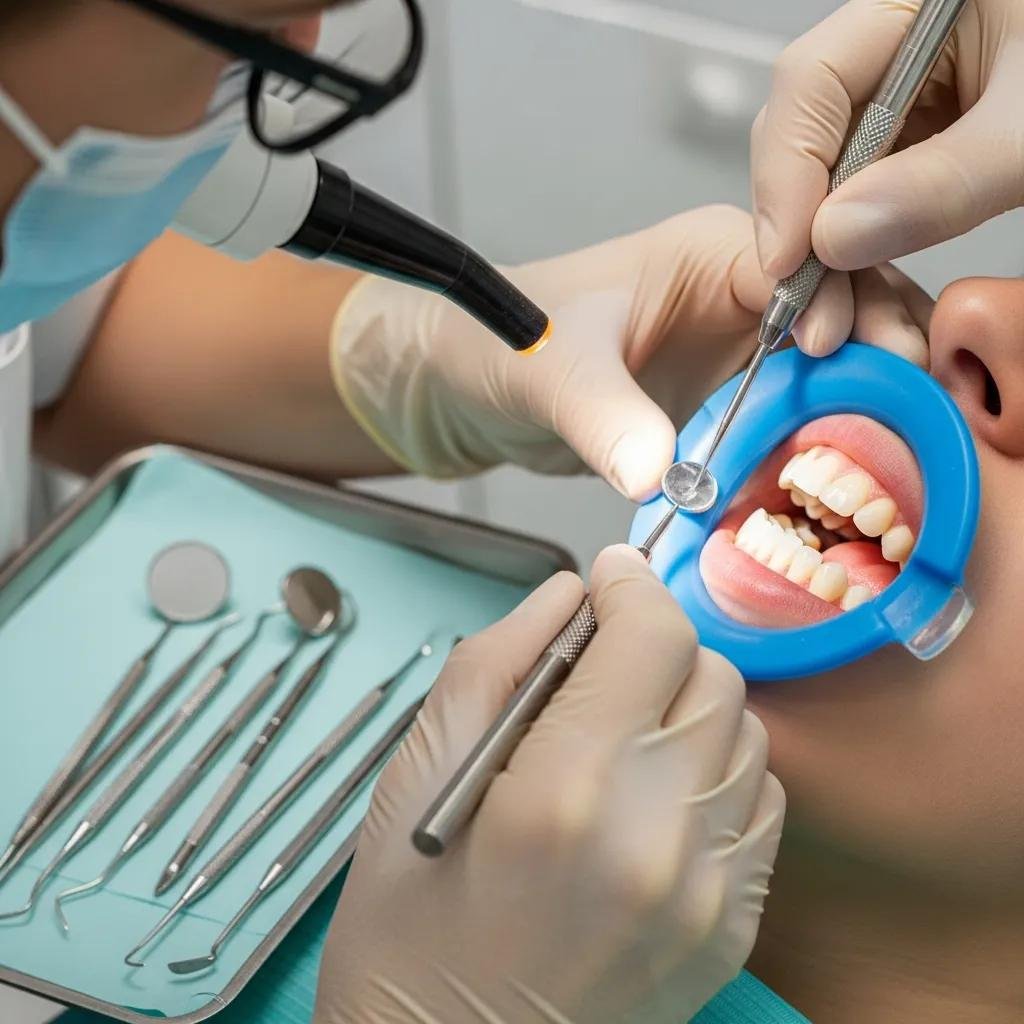
Cosmetic dental bonding is a procedure that involves the application of a composite resin material to the surface of a tooth. The resin is carefully shaped and polished to match the natural color and texture of the surrounding teeth. This process not only repairs minor imperfections but also enhances the overall aesthetic of the smile. The bonding material adheres directly to the tooth enamel, providing a strong and durable solution for various cosmetic concerns. Patients can expect immediate results, making it an appealing option for those seeking quick fixes for their dental imperfections.
Research further supports the effectiveness of direct composite bonding for aesthetic tooth recontouring and addressing various dental irregularities.
Direct Composite Bonding for Aesthetic Tooth Recontouring
Irregular tooth shape and position in the anterior maxilla and mandible are major aesthetic problems for many patients. These can be treated non-invasively by recontouring teeth with direct composite resin buildups. Although clinical studies have shown good survival rates for direct composite restorations, there is still a lack of information regarding the quality of these restorations over time.
Recontouring teeth and closing diastemas with direct composite buildups: a clinical evaluation of survival and quality parameters, D Wolff, 2010
Understanding Composite Resin as a Tooth Filling Alternative
Composite resin is a versatile material used in cosmetic dentistry, particularly for dental bonding. It is composed of a mixture of plastic and fine glass particles, which gives it a natural appearance and allows it to blend seamlessly with existing teeth. One of the key advantages of composite resin is its aesthetic appeal, as it can be color-matched to the patient’s natural tooth shade. Additionally, composite resin is durable and can withstand normal chewing forces, making it a suitable alternative to traditional metal fillings. Its versatility extends beyond bonding, as it can also be used for veneers and other cosmetic enhancements.
What Are the Benefits and Limitations of Cosmetic Dental Bonding?
Cosmetic dental bonding offers several benefits, making it a popular choice for patients seeking to improve their smiles. Here are some key advantages:
- Quick and Convenient: The bonding procedure can often be completed in a single visit, allowing patients to leave the office with an improved smile in just a few hours.
- Cost-Effective: Compared to other cosmetic procedures, dental bonding is generally more affordable, making it accessible for a wider range of patients.
- Minimally Invasive: The bonding process typically requires little to no removal of tooth enamel, preserving the natural structure of the tooth.
However, there are also limitations to consider:
- Durability Concerns: While composite resin is strong, it may not be as durable as other materials, such as porcelain, and may require touch-ups or replacements over time.
- Staining Potential: Composite resin can be more susceptible to staining from food and beverages compared to natural tooth enamel.
- Not Suitable for All Cases: Severe dental issues may require more extensive treatments, such as crowns or veneers, rather than bonding.
Understanding the factors that contribute to the longevity of composite restorations is crucial for both dentists and patients.
Factors Influencing Longevity of Composite Restorations
This article discusses the main factors that influence the longevity of all types of direct resin composite restorations. The clinical decision-making process of dentists relative to the diagnosis of aging or failed restorations may also affect the longevity of restorations. The current evidence suggests that the longevity of composite restorations is not only about the materials but also about the clinical procedures, the patient’s oral hygiene, and the dentist’s skills.
Longevity of composite restorations is definitely not only about materials, FF Demarco, 2023
Beautiful Smiles Ontario provides comprehensive consultations to help patients determine if dental bonding is the right solution for their specific needs.
Advantages of Dental Bonding for Cosmetic Dentistry Procedures
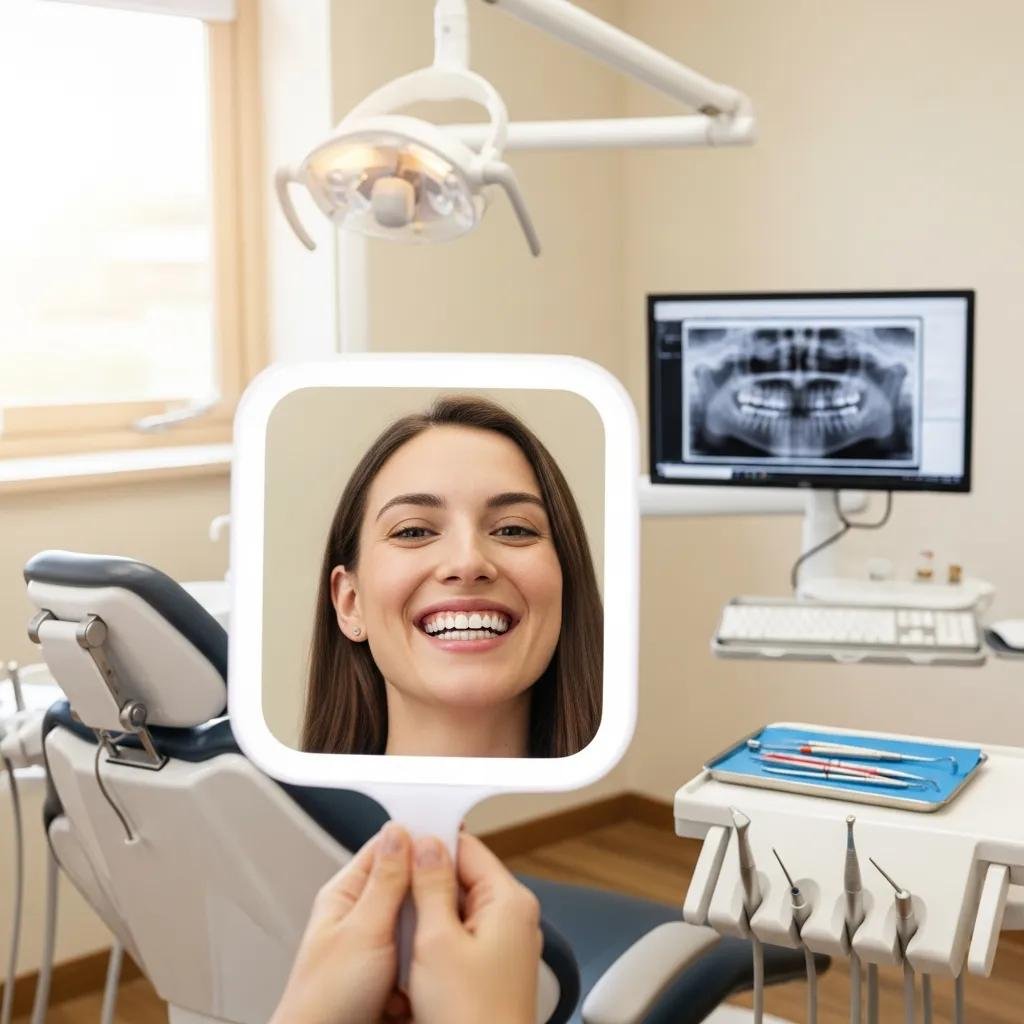
Dental bonding offers numerous advantages that make it an attractive option for cosmetic dentistry. Some of the key benefits include:
- Immediate Results: Patients can see the results of their treatment immediately after the procedure, enhancing their confidence and satisfaction.
- Minimal Tooth Alteration: Unlike crowns or veneers, dental bonding requires minimal alteration of the natural tooth structure, preserving its integrity.
- Versatility in Applications: Dental bonding can be used for a variety of cosmetic issues, including repairing chipped teeth, closing gaps, and improving the appearance of discolored teeth.
These advantages make dental bonding a popular choice for individuals seeking quick and effective cosmetic enhancements.
Studies have consistently shown high patient satisfaction with direct composite aesthetic restorations, reinforcing their value in cosmetic dentistry.
Patient Satisfaction with Direct Composite Aesthetic Restorations
The aim of this study was to evaluate the clinical performance and patient satisfaction of 168 Herculite XRV direct composite restorations bonded to the worn anterior dentition of 28 patients over a 3-year period. The results showed good clinical performance and high patient satisfaction regarding both oral health and aesthetic outcome. In such situations, the placement of direct composite restorations can be a predictable and effective treatment option.
The evaluation of direct composite restorations for the worn mandibular anterior dentition–clinical performance and patient satisfaction, 2007
Common Limitations and When to Consider Other Treatments
While dental bonding is an effective solution for many, it is essential to recognize its limitations. Some common concerns include:
- Durability Limitations: Bonding materials may not withstand heavy biting forces as well as other options, such as crowns or veneers, making them less suitable for back teeth.
- Aesthetic Considerations: Over time, bonding materials may become discolored or wear down, potentially requiring replacement.
- Alternative Treatments: For more severe cosmetic issues, such as significant tooth misalignment or extensive damage, other treatments like orthodontics or crowns may be more appropriate.
Patients should consult with their dentist to evaluate the best treatment options based on their individual circumstances.
How Much Does Dental Bonding Cost in Ontario, CA and What Financing Options Are Available?
The cost of dental bonding in Ontario, CA, can vary based on several factors, including the extent of the treatment and the specific dental practice. On average, patients can expect to pay between $300 to $600 per tooth for dental bonding. Beautiful Smiles Ontario offers various financing options to help make this procedure more accessible. Patients are encouraged to discuss their financial concerns during their consultation to explore available payment plans and insurance coverage.
How Does Beautiful Smiles Ontario Ensure Patient Comfort and Manage Dental Anxiety During Bonding?
At Beautiful Smiles Ontario, patient comfort is a top priority. Our practice employs several strategies to help manage dental anxiety and ensure a positive experience during bonding procedures. These include:
- Use of Advanced Technology: The practice utilizes state-of-the-art equipment to enhance precision and comfort during the bonding process.
- Patient Education Strategies: Dentists take the time to explain the procedure and address any concerns, helping patients feel more at ease.
- Comfort Measures Offered: Options such as sedation dentistry are available for patients who may require additional support to manage anxiety during their visit.
By prioritizing patient comfort, Beautiful Smiles Ontario aims to create a welcoming environment for all dental procedures, including cosmetic bonding.