A Step-by-Step Guide to Dental Fillings: What to Expect During Your Cavity Treatment
Dental fillings are wonderful restorative treatments that repair cavities and strengthen damaged tooth structure, restoring function, sealing out bacteria, and beautifully improving your smile. In this guide, we’ll explore who benefits from a filling, how the filling procedure works, and the many advantages patients gain from timely repair of decay or minor fractures. Many people delay treatment due to fear or uncertainty, which can allow cavities to progress and lead to more invasive care. Understanding the process eases your worries and empowers you to make confident decisions for your oral health. In the sections that follow, you’ll learn what fillings are, the popular filling materials and their unique advantages and considerations, a clear step-by-step walkthrough of the procedure, and what to expect during your recovery and how to comfortably manage any sensitivity. This guide also covers cost factors and insurance patterns specific to Ontario, CA, and answers your frequent patient questions with clear, expert insights. Throughout, keywords like dental fillings, composite dental filling, cavity filling, and filling materials comparison are used to help you find the right information and prepare for your appointment with confidence.
What Are Dental Fillings and Why Are They So Important?
Dental fillings are special materials placed into a carefully prepared tooth after the removal of decayed tissue, designed to restore your tooth’s natural shape, strength, and function. By sealing the cleaned cavity, fillings prevent further bacterial infiltration and stop the progression of tooth decay, which beautifully preserves your enamel and dentin and significantly lowers the risk of infection or tooth loss. Your restored teeth will regain their full chewing ability and, when tooth-colored materials are used, a beautifully enhanced appearance that helps you feel confident about your smile. Choosing fillings early can often help you avoid more extensive treatments such as root canal therapy, extractions, or crowns, supporting your long-term oral health.
What Is a Dental Filling Procedure Like?
A dental filling procedure involves gently numbing the area, carefully removing any decay, preparing the tooth, expertly placing your chosen filling material, and then meticulously shaping and polishing your new restoration. Local anesthesia ensures a comfortable experience for most patients, and our modern techniques minimize vibration and chair time while preserving healthy tooth structure. You’ll typically feel only mild pressure during the removal of decay, followed by a period of comfortable numbness that wears off in a few hours. The entire appointment often takes less than an hour for a single filling. Knowing these steps helps set clear expectations and eases any worries about your visit.
How Do Dental Fillings Treat Cavities and Tooth Decay?
Fillings treat cavities by carefully removing infected enamel and dentin, thoroughly disinfecting the area, and then placing a restorative material that either bonds to or fills the prepared space, effectively blocking bacterial access. This process stops decay in its tracks by eliminating the environment where bacteria thrive and by re-establishing a sealed surface that comfortably withstands chewing forces. Proper marginal adaptation and occlusion adjustment are critical to prevent recurrent decay and to ensure your restoration functions comfortably within your bite. When decay is extensive, our restorative planning may include options such as inlays, onlays, or referral for procedures like root canal treatment or dental implants to preserve your optimal oral health.
What Types of Dental Fillings Are Available?
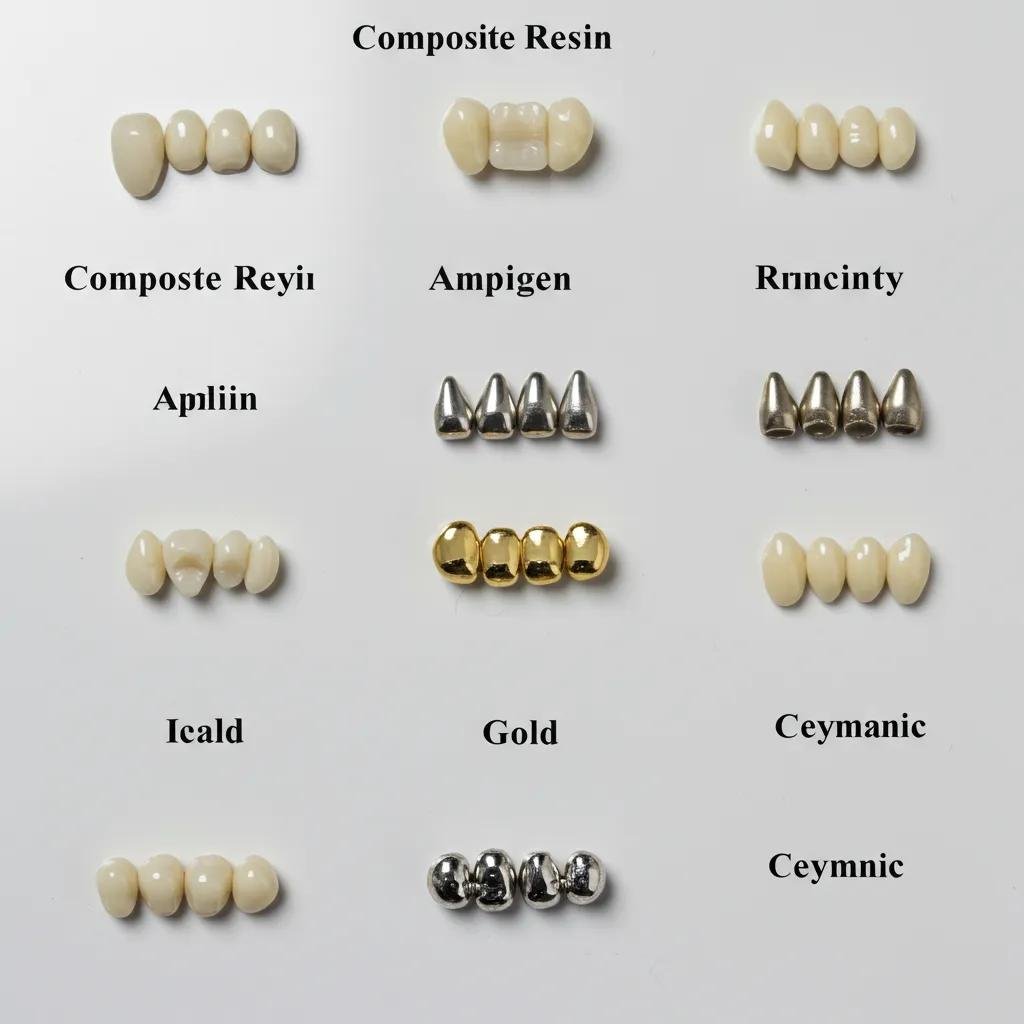
We offer several trusted filling materials, each with unique clinical benefits and aesthetic qualities: composite resin (tooth-colored), dental amalgam (metallic), gold, ceramic/porcelain inlays or onlays, and glass ionomer materials. Your material choice will depend on factors like the size and location of your cavity, your aesthetic preferences, bite forces, budget, and Dr. Hosny’s expert recommendation. Newer composite resins and ceramics focus on conservative preparation and a lifelike appearance, while amalgam and gold have long-standing durability in high-force posterior areas. In the next section, we’ll delve deeper into these materials, comparing their advantages and considerations to help you make an informed decision.
Beautiful Smiles Ontario’s mission is to help patients restore oral health and confidence through expert oral surgery and dental implant services, while delivering compassionate, high-quality dental care to the Ontario community.
What Are the Different Types of Dental Fillings and Their Benefits?
Here, we’ll compare common filling materials based on their clinical performance, aesthetics, durability, and typical applications, helping you weigh your functional needs against your cosmetic desires. Material selection beautifully balances the preservation of tooth structure, expected lifespan, and how visible the restoration will be when you smile or chew. Contemporary restorative dentistry often emphasizes tooth-colored options, but durable metal alloys and lab-fabricated ceramics still play important roles for larger restorations. Below is a quick comparison followed by a more detailed table to help you easily scan the differences.
Common filling materials include:
- Composite resin: for natural-looking, tooth-colored results and conservative bonding.
- Amalgam: for lasting durability in back teeth, even under heavy bite forces.
- Ceramic or gold inlays/onlays: for larger restorations that require custom lab fabrication.
Selecting the ideal material depends on your tooth’s location, cavity size, aesthetic priorities, and budget. A personalized consultation with Dr. Hosny at Beautiful Smiles Ontario will help us match the perfect material to your unique goals and oral health.
Different filling materials present distinct clinical and cosmetic attributes.
| Filling Type | Pros / Cons | Typical Use |
|---|---|---|
| Composite resin | Pros: tooth-colored, bonds to tooth, conservative prep. Cons: technique-sensitive, may wear faster in very large restorations. | Small to medium anterior and posterior cavities where aesthetics matter. |
| Amalgam | Pros: durable, cost-effective, long lifespan. Cons: metallic appearance, requires more removal of tooth structure. | Large posterior restorations under high bite force. |
| Ceramic / Porcelain (inlay/onlay) | Pros: excellent aesthetics, durable, stain-resistant. Cons: higher cost and lab fabrication time. | Large or cosmetic restorations needing superior color match. |
| Gold | Pros: exceptional longevity and wear resistance. Cons: visible color, higher material cost. | Patients prioritizing durability in posterior teeth; less common for visible areas. |
| Glass ionomer | Pros: releases fluoride, bonds chemically, useful for certain pediatric/low-stress areas. Cons: lower wear resistance. | Temporary repairs, pediatric use, or as a liner under other restorations. |
What Is Composite Resin and Why Is It So Popular?
Composite resin is a beautiful, tooth-colored restorative material crafted from a resin matrix and filler particles. It bonds seamlessly to your enamel and dentin, restoring both the form and function of your tooth while perfectly matching your natural tooth color. Its bonding ability allows for more conservative preparations, preserving healthy tooth structure and providing excellent aesthetic results for front and visible back teeth. While its placement requires careful layering and curing to minimize shrinkage and ensure lasting results, when expertly applied, composite restorations can provide many years of beautiful service. Patients who desire a discreet, natural-looking repair often choose composite resin for both small anterior defects and moderate posterior cavities.
What Are Amalgam Fillings and When Are They Used?
Amalgam fillings are strong, metallic restorations made from a silver-tin-mercury alloy. Renowned for their durability and wear resistance, they remain a practical choice for larger restorations in your back teeth. Amalgam tolerates heavy chewing forces and is often a cost-effective option for multi-surface cavities in teeth that are not visible when smiling. While some patients have aesthetic concerns about their metallic appearance, modern dental trends often favor tooth-colored alternatives when appropriate. However, when exceptional durability is the top priority—especially in back teeth where meticulous composite layering can be challenging—amalgam continues to be a reliable clinical option.
While amalgam has a long history of durability, concerns about mercury release and environmental impact have led to increased use of composite resins, which offer aesthetic advantages and improved mechanical properties for posterior teeth.
Amalgam vs. Composite Resin Fillings: A Comparative Analysis
Traditionally, amalgam has been used for filling cavities in posterior teeth, and it continues to be the restorative material of choice in some low‐ and middle‐income countries due to its effectiveness and relatively low cost. However, there are concerns over the use of amalgam restorations (fillings) with regard to mercury release in the body and the environmental impact of mercury disposal. Dental composite resin materials are an aesthetic alternative to amalgam, and their mechanical properties have developed sufficiently to make them suitable for restoring posterior teeth. Nevertheless, composite resin materials may have potential for toxicity to human health and the environment.
Direct composite resin fillings versus amalgam fillings for permanent posterior teeth, HV Worthington, 2021
How Do Gold and Ceramic Fillings Compare?
Gold restorations offer remarkable longevity and a precise fit, resisting wear for decades. Ceramic (porcelain) inlays and onlays, on the other hand, provide a lifelike color match and strong wear resistance, custom-fabricated in a lab and then bonded to your tooth. Gold is often chosen when maximum durability is desired and the metallic appearance is acceptable, whereas ceramic combines high aesthetics with structural strength for larger restorations. Both of these premium options typically involve more intricate procedures and a higher investment than direct fillings, but they excel at preserving tooth structure and delivering superior long-term performance in suitable cases. Patients and clinicians weigh cost, appearance, and functional needs when deciding between these lab-fabricated restorations.
How to Choose the Right Filling Material for Your Tooth?
Choosing the perfect filling material involves balancing five important factors: the tooth’s location, the size and depth of your cavity, your aesthetic preferences, the expected bite forces, and your budget. Discussing these choices with Dr. Hosny ensures the material selected perfectly aligns with both your clinical needs and your cosmetic aspirations, especially for visible teeth where a seamless color match is essential. For complex or larger restorations, consider premium options like ceramic inlays/onlays or gold for exceptional longevity. For small to medium defects, tooth-colored composites often offer the best balance of aesthetics and preservation. We invite you to schedule a consultation with Dr. Hosny at Beautiful Smiles Ontario to review your unique situation and create a personalized restoration plan that’s just right for you.
What Are the Step-by-Step Procedures for Getting a Dental Filling?
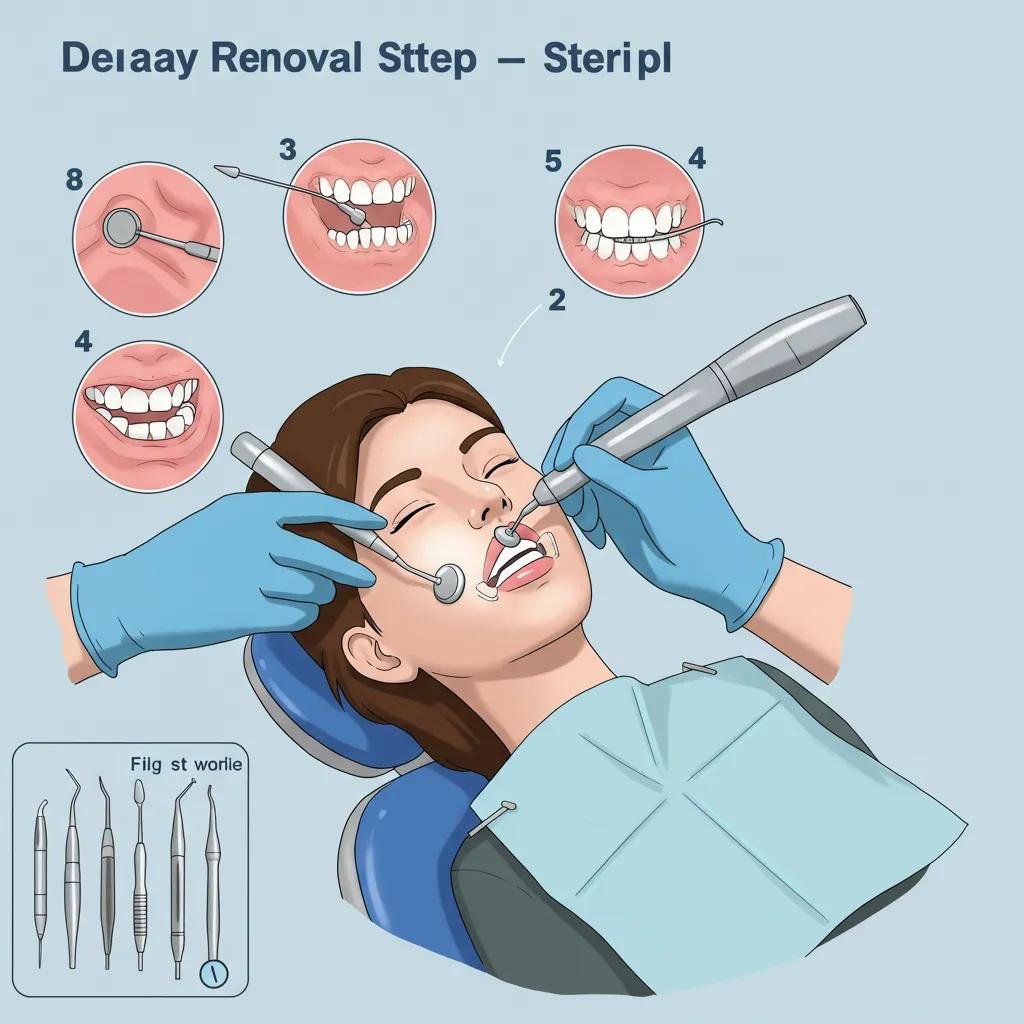
This easy-to-follow overview outlines the main clinical steps for a typical dental filling and explains what you can expect to experience during each phase. The most common sequence is: anesthesia and isolation, decay removal, cavity preparation and cleaning, material placement and curing or packing, occlusion adjustment, and polishing. Understanding these steps clarifies the purpose of each action and what sensations or timeframe to anticipate, helping to ease any anxiety and ensure a smooth, comfortable appointment. Here’s a quick reference guide to the typical steps involved in your dental filling procedure:
- Numbing: We’ll gently apply local anesthesia and topical agents to ensure your complete comfort and prevent any pain.
- Decay Removal: Our team will carefully remove any diseased enamel and dentin using advanced rotary instruments or air abrasion.
- Cleaning & Isolation: The prepared cavity will be thoroughly disinfected and isolated to keep it perfectly dry for optimal bonding.
- Filling Placement: We’ll expertly layer and cure composite with a special light, or carefully pack and finish amalgam, depending on your chosen material.
- Shaping & Polishing: Your new restoration will be meticulously shaped, your bite will be checked for comfort, and a final polish will be applied.
This sequence guides you through your journey from arrival to a beautifully finished, functional restoration.
To help you feel fully prepared, the table below outlines each procedural step, its purpose, the common tools used, and what you can typically expect to experience.
| Procedure Step | Purpose / Tool | Typical Patient Experience |
|---|---|---|
| Anesthesia | Local anesthetic (topical + injection) | A mild sting with topical numbing; followed by comfortable numbness for a few hours. |
| Decay removal | Dental handpiece/drill or air abrasion | You’ll feel vibration and pressure; very little pain if you’re comfortably anesthetized. |
| Isolation & cleaning | Rubber dam, suction, disinfectant | A taste of rinse; a focused treatment area with minimal moisture. |
| Material placement | Composite layering + curing light or amalgam packing | A warm/hardening sensation with the curing light; gentle pressure during finishing. |
| Shaping & occlusion | Polishing burs, articulating paper | Clicking or bite checks; final smoothing for your ultimate comfort. |
How Is Local Anesthesia Administered for Your Comfort?
For your comfort during fillings, local anesthesia typically begins with a topical numbing gel to minimize any injection discomfort, followed by a precise local injection to gently block the nerve supplying your tooth. Our dentists use modern anesthetics and gentle techniques to minimize pain, so you’ll usually feel only brief pressure during the injection, followed by complete numbness in the treated area. While anesthesia duration varies, it typically leaves your lips and tongue comfortably numb for a few hours. We recommend avoiding chewing on the numb side to prevent any accidental injury. Sharing your medical history and any concerns before the injection allows Dr. Hosny to tailor the anesthesia for your utmost safety and comfort.
What Happens During Decay Removal and Tooth Cleaning?
Decay removal is all about carefully eliminating infected enamel and dentin while preserving as much healthy tooth structure as possible. We use a dental drill, specialized hand instruments, or air abrasion, depending on the specific needs of your tooth. Dr. Hosny meticulously inspects for any remaining softened tissue, removing it to create a stable, clean cavity that will perfectly accept your new filling. After removal, the area is thoroughly disinfected and, if the cavity is deep, sometimes lined or sealed to protect the pulp and enhance the filling’s longevity. Our minimally invasive approach guides all modern removal strategies, preserving your tooth’s natural strength and reducing the need for more extensive restorations.
How Is the Filling Material Placed, Shaped, and Polished?
For composite resin, Dr. Hosny places the material in thin, precise layers, curing each layer with a special light to minimize shrinkage and ensure optimal bond strength. Then, he meticulously shapes and polishes it for a smooth, comfortable bite. For amalgam, the material is carefully condensed into the cavity and carved to perfectly match your tooth’s natural anatomy, with final polishing completed during a subsequent visit if necessary. Precise bite adjustment prevents any high spots that could cause sensitivity or wear, and thorough polishing enhances longevity while reducing plaque buildup. Your final restoration should feel completely comfortable, seamlessly match your adjacent tooth contours, and allow for normal, confident chewing.
The development of “bulk-fill” composite resins has introduced techniques that simplify placement by allowing thicker increments, reducing polymerization shrinkage and clinical working time.
Bulk-Fill Composite Restorations: Techniques and Advantages
Composite resins are excellent materials for direct restorations in the posterior region, satisfactorily reestablishing esthetics and function. Recently, a new class of composites has been commercialized, the so-called Bulk-fill resins. These resins may be inserted in the dental cavity in increments of 4 to 5 mm thick, and have the advantages of reducing polymerization shrinkage and clinical working time. The aim of this case report was to describe the use of bulk-fill composite resins to restore Class I and Class II cavities by means of two different restorative techniques.
Bulk-fill Composite restorations step-by-step description of clinical restorative techniques case reports, CMC Taguchi, 2019
What Tools and Devices Are Used in the Procedure?
During your filling appointment, you’ll typically see instruments like the dental handpiece (drill), high-volume suction, isolation aids such as rubber dams or cotton rolls, curing lights for composites, and specialized finishing/polishing burs. Each of these tools plays a vital role: the drill efficiently removes decay, suction keeps the area dry, curing lights harden composite materials, and polishing instruments create a smooth surface that resists staining. While you might notice sounds and vibrations from our instruments, rest assured that our modern equipment and techniques are designed to reduce treatment time and enhance your comfort. Understanding these roles helps you see why each tool is used and how it contributes to a predictable, successful outcome for your smile.
What Should You Expect After Your Dental Filling? Care, Recovery, and Sensitivity Management
After your filling, you can expect temporary numbness, possibly some mild soreness, and a bit of sensitivity to temperature or pressure. These sensations typically resolve within a few days to weeks. Recovery times vary based on the material used and the depth of your cavity: composite fillings often allow you to eat immediately after the anesthesia wears off, while larger or deeper restorations might need a few days for sensitivity to fully subside. Maintaining proper oral hygiene, chewing gently on the opposite side initially if you prefer, and avoiding very hard or sticky foods for a short time will help protect your new restoration. Always watch for persistent pain, swelling, or changes in your bite. If these occur, please contact us promptly so we can adjust your filling or evaluate for any other concerns.
Common recovery timeline and tips:
- Immediate (hours): Your numbness will wear off; please avoid chewing until full sensation returns.
- Short Term (24-72 hours): Mild sensitivity and tenderness are completely normal.
- Medium Term (1-2 weeks): Any thermal sensitivity should significantly decrease.
- When to Seek Care: If you experience increasing pain, swelling, or sensitivity that persists beyond two weeks, please contact us.
Practical aftercare includes using a desensitizing toothpaste, initially avoiding extreme temperatures, and maintaining gentle yet thorough brushing and flossing to prevent any recurrent decay.
How Long Does Recovery Take After a Dental Filling?
Most patients recover from the immediate effects of a filling within a few hours to a few days, with the majority of sensitivity resolving within one to two weeks, depending on the cavity’s depth and the type of restoration. Numbness from local anesthesia typically subsides in a few hours, and any soreness from the procedure usually eases with over-the-counter pain relievers as needed. If sensitivity persists beyond two weeks, or if biting causes sharp pain, this could indicate a high spot on the filling, recurrent decay, or deeper pulp irritation, all of which require evaluation. Regular follow-up appointments and open communication with Dr. Hosny ensure timely adjustments or further care if ever needed.
What Are Common Post-Filling Sensitivity Issues and How to Manage Them?
After your filling, you might experience brief sensitivity to hot, cold, or pressure. This is usually caused by bonding reactions, slight bite discrepancies, or the cavity’s proximity to the tooth nerve. Management includes short-term use of a desensitizing toothpaste, avoiding triggers like very hot or cold foods, and simply allowing time for your tooth to adapt. If sensitivity persists or worsens, Dr. Hosny can adjust your bite, apply in-office desensitizing agents, or evaluate for deeper issues that might require endodontic therapy. Early communication helps prevent prolonged discomfort and ensures the longevity of your beautiful restoration.
What Are the Best Oral Hygiene Practices After a Filling?
Once your numbness subsides, you can resume your routine brushing and flossing. Use a soft-bristled brush and a gentle technique to avoid irritating the treated area while effectively controlling plaque. Floss carefully around your new restoration to prevent dislodging any temporary materials and to maintain the precise contact points established during shaping. Use fluoride toothpaste, and if you experience sensitivity, consider a desensitizing toothpaste. These measures protect your restoration and reduce the risk of new decay at the margins. Maintain regular dental check-ups so Dr. Hosny can monitor the integrity of your restoration and address any early signs of wear or concern.
Are There Dietary Recommendations Following a Dental Filling?
Immediately after your filling, we recommend avoiding chewing hard, sticky, or crunchy foods on the treated tooth for at least 24 hours, or until Dr. Hosny confirms your restoration is fully set and comfortable. For composite restorations, moderate chewing is usually fine once the anesthesia wears off, but please avoid very hard foods that could potentially fracture the restoration or stress the bonding. If you received an inlay, onlay, or temporary restoration, please follow Dr. Hosny’s specific guidance on when to resume normal eating—lab-fabricated restorations may require special handling until final cementation. Gradually reintroduce your regular foods as your comfort and strength return.
How Much Do Dental Fillings Cost and What Insurance Options Are Available in Ontario, CA?
The cost of your filling will vary based on your chosen material, the size and complexity of the cavity, and whether a lab-fabricated restoration is needed. These factors influence the chair time, material costs, and any technician involvement. Most insurance plans typically cover a portion of restorative care, but coverage levels differ by provider, plan type, and annual maximums. We encourage you to verify your benefits with your insurer and our dental office before treatment. For a personalized estimate and to discuss our financing options, please contact Beautiful Smiles Ontario. Our friendly staff can provide a tailored quote based on the tooth involved and Dr. Hosny’s recommended material choices. Patients in Ontario, Upland, Rancho Cucamonga, and Montclair are welcome to consult our office to understand expected out-of-pocket costs and available payment pathways.
To help clarify what influences your final pricing, the following table outlines common cost drivers and their typical impact ranges.
| Cost Factor | Description | Typical Impact |
|---|---|---|
| Material Type | Composite vs. Amalgam vs. Ceramic/Gold | Composite: moderate; Ceramic/Gold: higher investment |
| Restoration Size | Single-surface vs. multi-surface or inlay/onlay | Larger repairs increase price due to time/lab work involved |
| Tooth Location | Anterior vs. posterior access and aesthetic needs | Posterior high-force areas may require stronger materials |
| Lab Work | Fabrication of inlays, onlays, or crowns | Adds lab fee and potential additional appointment costs |
| Additional Procedures | Pulp capping, liners, or repair of existing work | Adds to complexity and overall treatment cost |
What Factors Influence the Cost of Dental Fillings?
Your material selection is a primary cost driver—direct composites are generally a more affordable option than lab-fabricated ceramics or gold restorations. Additionally, cavity complexity, the need for multiple surfaces, and any additional protective liners will increase chair time and overall cost. Our geographic location and Dr. Hosny’s use of advanced technology can also influence pricing, as can any necessary pre-treatment diagnostics or anesthesia requirements. Because many variables influence the final fee, a personalized exam and treatment plan are the most reliable way to receive an accurate estimate. For specific pricing and financing questions, please contact Beautiful Smiles Ontario at (909) 984-4746 or visit our welcoming office at 126 W B Street, Ontario, CA 91762 to schedule a consultation.
Does Insurance Cover Dental Fillings?
Most dental insurance plans do include coverage for basic restorative services like fillings, but coverage levels can vary by plan, frequency limits, and whether your plan uses an in-network fee schedule. We recommend that you verify your benefits, including allowable procedures, co-pays, and annual maximums, directly with your insurer and confirm any pre-authorization requirements with our dental office. Understanding your coverage before treatment helps prevent any surprises and allows you to plan comfortably for any out-of-pocket expenses. Our friendly office team at Beautiful Smiles Ontario is here to assist you in verifying your benefits and explaining typical coverage patterns for common filling procedures.
The longevity and cost-effectiveness of amalgam fillings have made them a long-standing choice, especially in posterior teeth, though composite materials are increasingly favored for aesthetic reasons and conservative preparation.
Amalgam vs. Composite Fillings: Longevity and Cost
Caries is one of the most prevalent diseases worldwide. For (direct) restaurations of carious lesions, tooth-coloured composite materials are increasingly used. The compulsory health insurance pays for composite fillings in front teeth; in posterior teeth, patients have to bear the extra cost.
Amalgam is an alloy of mercury and other metals and has been used in dentistry for more than one hundred and fifty years. Composites consist of a resin matrix and chemically bonded fillers. They have been used for about fifty years in front teeth. Amalgam has a long longevity; the further development of composites has also shown improvements regarding their longevity.
Longevity of dental amalgam in comparison to composite materials, 2008
What Financing or Payment Plans Does Beautiful Smiles Ontario Offer?
Beautiful Smiles Ontario is committed to helping our patients access necessary restorative care while managing cost concerns. We provide guidance on various financing and payment options; for precise details about available plans and monthly options, please contact our office directly. Our dedicated team can discuss individualized estimates and flexible scheduling to accommodate your needs and help you prioritize timely, essential treatment. Scheduling a consultation with Dr. Hosny allows you to receive a clear, expert treatment recommendation and a personalized cost breakdown tailored to your specific restoration needs.
What Are the Most Common Questions About Dental Fillings? Expert Answers by Dr. Hosny
This FAQ section offers concise, expert-backed answers to your most common questions about the filling process, material selection, longevity, and safety. It’s designed to help you make quick, confident decisions before and after your appointment. Our answers reflect practical clinical experience and current best practices, empowering you to make informed choices that align perfectly with your oral health goals. Below are clear, targeted responses, optimized for quick reading and easy understanding.
What Are the 5 Steps of a Dental Filling?
A typical dental filling procedure involves a concise five-step sequence: gentle numbing, thorough decay removal, meticulous cleaning/conditioning, expert filling placement, and precise shaping/polishing with an occlusion check. Each step focuses on your comfort, infection control, material stability, and achieving optimal final function to create a durable, beautiful restoration. Communicating these steps beforehand helps set clear expectations and ensures a smooth, cooperative experience during your treatment. This clear progression also serves as a helpful guide for both our clinicians and you, our valued patient.
How Long Do Dental Fillings Last?
The longevity of your filling varies by material and individual patient factors: composite fillings typically last 5–10 years, amalgam can last 10–15 years or even longer, and ceramic or gold restorations often provide 15 years or more of service with proper care. Your personal habits—such as bruxism (teeth grinding), oral hygiene, diet, and regular dental visits—significantly influence the lifespan of your filling, as does its accurate placement and balanced bite. Regular check-ups allow for early detection of any wear, recurrent decay, or marginal breakdown, helping to extend the life of your beautiful restoration. We encourage you to discuss material-specific expectations with Dr. Hosny during your personalized treatment planning.
What Is the Most Common Type of Dental Filling?
Composite resin is currently the most popular modern filling material, thanks to its beautiful aesthetic properties and its ability to bond seamlessly to your tooth structure. This allows for conservative preparations and incredibly natural-looking results. Advances in composite chemistry and bonding systems have significantly improved both durability and aesthetics, making them a preferred choice for both front and back teeth. While composites are a top choice for visible areas, amalgam and lab-fabricated options still play important roles in specific clinical scenarios. Patient preference for natural-looking, tooth-colored materials often guides the selection toward composites.
Can Dental Fillings Be Repaired or Replaced?
Small defects or marginal staining in a filling can often be repaired by adding material or smoothing the margin. However, larger failures, recurrent decay, or structural breakdown typically require a complete replacement of the restoration. The decision to repair versus replace depends on the extent of the damage, the amount of healthy tooth structure remaining, and the risk of recurrent decay. Prompt diagnosis of any issues allows for conservative management when appropriate, helping to prevent more extensive restorative needs down the road. Dr. Hosny will carefully evaluate your situation and recommend the most conservative, durable option for your long-term tooth preservation.
Are Dental Fillings Safe and Pain-Free?
Yes—dental fillings are considered very safe and are routinely performed with local anesthesia and modern materials that meet strict regulatory safety standards. Most patients report minimal discomfort during and after the procedure. Our gentle anesthesia, topical agents, and patient-centered techniques work together to minimize pain, while any post-operative sensitivity is usually temporary and easily manageable with conservative measures. Patients with specific medical histories should always share these details with Dr. Hosny so we can tailor your anesthesia and materials safely and effectively. Open communication and our modern clinical protocols make fillings a predictable and very well-tolerated treatment for a healthier, happier smile.
Why Choose Beautiful Smiles Ontario for Your Dental Filling Needs?
Beautiful Smiles Ontario, conveniently located at 126 W B Street, Ontario, CA 91762, is dedicated to restoring your oral health and confidence. We offer comprehensive, compassionate, and cutting-edge dentistry, specializing in expert oral surgery and dental implant services. Our practice emphasizes truly patient-centered care, utilizing modern restorative materials and advanced techniques to deliver predictable, aesthetically pleasing outcomes for all your filling and restorative needs. Dr. Hosny leads our clinical team, expertly applying his skills in general dentistry and keen insight in cosmetic dentistry to perfectly balance function and appearance in every treatment plan. Patients from Ontario, Upland, Rancho Cucamonga, and Montclair can always expect a friendly, welcoming environment and a focus on informed decision-making for your long-term oral health.
How Does Dr. Hosny’s Expertise Enhance Your Dental Care?
Dr. Hosny leverages his extensive clinical experience in both general and cosmetic dentistry to select the most appropriate materials and techniques. His goal is always to preserve your natural tooth structure while achieving beautiful, natural-looking results. His meticulous approach includes careful diagnostics, thoughtful consideration of bite forces, and an unwavering attention to aesthetic detail, ensuring your restorations meet both your functional and cosmetic goals. Working closely with you to explain all your options, potential risks, and expected outcomes helps build trust and supports predictable, successful restorative results. This expert-led planning enhances outcomes for fillings, as well as for related services like root canal treatment or restorative referrals when necessary.
What Advanced Technologies Improve Your Filling Experience?
At Beautiful Smiles Ontario, we utilize modern diagnostic and restorative technologies—such as digital imaging, precision curing lights, and advanced isolation techniques—to enhance accuracy, shorten your appointment times, and significantly improve your comfort. Digital diagnostics help us detect early decay and plan conservative preparations, while our advanced curing and bonding systems ensure superior composite performance. These technologies contribute to precise margins, strong adhesive bonds, and better long-term results, all designed to reduce the likelihood of needing retreatment. You’ll benefit from efficient workflows and evidence-based materials that always prioritize the preservation of your natural teeth and beautiful aesthetics.
How Does Beautiful Smiles Ontario Ensure a Comfortable, Family-Friendly Environment?
Our practice is built on compassionate care, clear communication, and a supportive atmosphere that warmly welcomes families and patients of all ages seeking restorative or cosmetic dental services. Our dedicated staff focuses on thoroughly explaining procedures, what sensations to expect, and comprehensive aftercare, ensuring you feel fully informed and comfortable before your treatment begins. Our scheduling and patient education are thoughtfully designed to minimize anxiety and help families prioritize preventive care, reducing the need for future restorative work. To learn more or to schedule a personalized consultation with Dr. Hosny, please contact Beautiful Smiles Ontario at (909) 984-4746.
- Key Takeaways About Dental Fillings: Early repair of cavities beautifully preserves your tooth structure and helps prevent more invasive procedures.
- When to Seek Care: If you experience increasing pain, swelling, or prolonged sensitivity beyond two weeks, please seek evaluation.
- Your Next Steps: Discuss material options, cost factors, and insurance coverage with Dr. Hosny to create a personalized treatment plan that’s perfect for you.
This final point connects your decision-making to practical actions, encouraging timely care to protect your precious dental health.
Frequently Asked Questions
What Can You Expect During Your First Dental Filling Appointment?
During your first dental filling appointment, you can expect a thorough, compassionate examination and a clear discussion about your dental health. Dr. Hosny will gently explain the procedure, including the type of filling material recommended based on your cavity’s size and location. After administering local anesthesia to ensure your complete comfort, Dr. Hosny will carefully remove the decayed tissue, thoroughly clean the cavity, and expertly place your filling. The entire process typically takes less than an hour, and you’ll receive clear aftercare instructions to help you comfortably manage any sensitivity or discomfort.
How Can You Best Prepare for Your Dental Filling Procedure?
To help you prepare for your dental filling procedure, we recommend scheduling your appointment at a time when you can relax afterward. It’s best to avoid eating a heavy meal right before your visit, as you may experience numbness from the anesthesia. It’s also very helpful to communicate any medical conditions or medications you are taking to Dr. Hosny and our team. Arriving with any questions you may have can help you feel even more informed and comfortable about the process. Lastly, if you anticipate feeling anxious about the anesthesia, consider arranging for someone to drive you home.
What Are the Signs You Might Need a Dental Filling?
Signs that you might need a dental filling include sensitivity to hot or cold foods, pain when biting down, visible holes or pits in your teeth, or persistent toothaches. You might also notice discoloration or dark spots on your teeth. If you experience any of these symptoms, it’s essential to schedule an appointment with Dr. Hosny for a thorough evaluation. Early detection and treatment can beautifully prevent further decay and the need for more extensive dental work in the future.
Can You Eat After Getting a Dental Filling?
After getting a dental filling, we advise waiting until the numbness from the anesthesia wears off before eating. This typically takes a few comfortable hours. For composite fillings, you can usually eat right away, but it’s best to avoid very hard or sticky foods for the first 24 hours to allow the filling to set perfectly. If you have received a temporary filling, please follow Dr. Hosny’s specific instructions regarding dietary restrictions to ensure the filling remains securely intact.
What Should You Do If You Experience Pain After a Filling?
If you experience pain after a dental filling, it’s important to gently monitor the discomfort. Mild sensitivity is common and should comfortably subside within a few days. However, if the pain is severe, persistent, or worsens over time, please contact Beautiful Smiles Ontario immediately. This could indicate issues such as a high spot on the filling, recurrent decay, or other complications that need our attention. Dr. Hosny can evaluate the situation and make any necessary adjustments or provide additional treatment to beautifully alleviate your discomfort.
How Often Should You Have Dental Check-Ups After Getting Fillings?
After receiving your dental fillings, we highly recommend regular check-ups at least every six months. These visits allow Dr. Hosny to carefully monitor the condition of your fillings and your overall oral health. During these appointments, Dr. Hosny can check for any signs of wear, recurrent decay, or other dental issues. Maintaining excellent oral hygiene at home and attending regular check-ups can beautifully extend the life of your fillings and help prevent the need for further restorative work.
Conclusion
Understanding the dental filling process truly empowers you to make informed decisions about your oral health, ensuring timely treatment and helping to prevent more invasive procedures. By choosing the right filling material, you can beautifully balance aesthetics, durability, and cost, ultimately enhancing your overall dental experience. We warmly encourage you to consult with Dr. Hosny at Beautiful Smiles Ontario to discuss your specific needs and explore the very best options for your dental care. Take the first step towards a healthier, more radiant smile by scheduling your appointment today!