
TMJ/TMD Treatment for Jaw Pain in Ontario, CA

Relief for Jaw Pain in Ontario
Temporomandibular joint disorder (TMJ/TMD) commonly causes discomfort and jaw pain. This article outlines TMJ/TMD symptoms, causes, and non-surgical treatment options available in Ontario, CA. Readers will learn how conservative therapies can reduce jaw pain and how anxiety related to care can be managed. It also explains why Beautiful Smiles Ontario is a preferred provider with advanced technology and a patient-centered approach.
What Are the Common Symptoms and Causes of TMJ Disorder?
TMJ disorder produces a range of symptoms that can disrupt daily activities. Typical signs include jaw pain, difficulty chewing, and clicking or popping sounds with jaw movement. These symptoms commonly stem from injury, arthritis, or tooth grinding. Recognizing symptoms and their causes is essential for effective management and targeted treatment.
How Does Jaw Pain Manifest in TMJ/TMD Patients?
Jaw pain from TMJ/TMD can present in different ways. Patients may feel sharp pain during movement, a persistent dull ache in the jaw or face, or discomfort that radiates into the neck or shoulders. Pain severity can be influenced by stress, posture, and general health; individualized treatment plans are important.
What Factors Contribute to TMJ Disorder Development?
Multiple factors contribute to TMJ disorder development. Genetic predisposition can increase susceptibility to jaw problems. Repeated jaw clenching or teeth grinding often worsens symptoms. Traumatic injuries to the jaw or head may also trigger the condition. These factors underscore prevention and early clinical intervention.
Which Non-Surgical TMJ Therapy Options Are Available in Ontario?
Ontario offers several non-surgical therapies for TMJ disorder. These approaches are designed to relieve pain and restore function without invasive procedures.
How Do Physical Therapy and Jaw Muscle Exercises Relieve TMJ Symptoms?

Physical therapy and targeted jaw exercises strengthen the masticatory muscles, improve joint flexibility, and can reduce pain and improve function. Many patients report measurable improvement after a structured therapy program under professional guidance.
What Role Do Dental Appliances Play in TMJ Treatment?
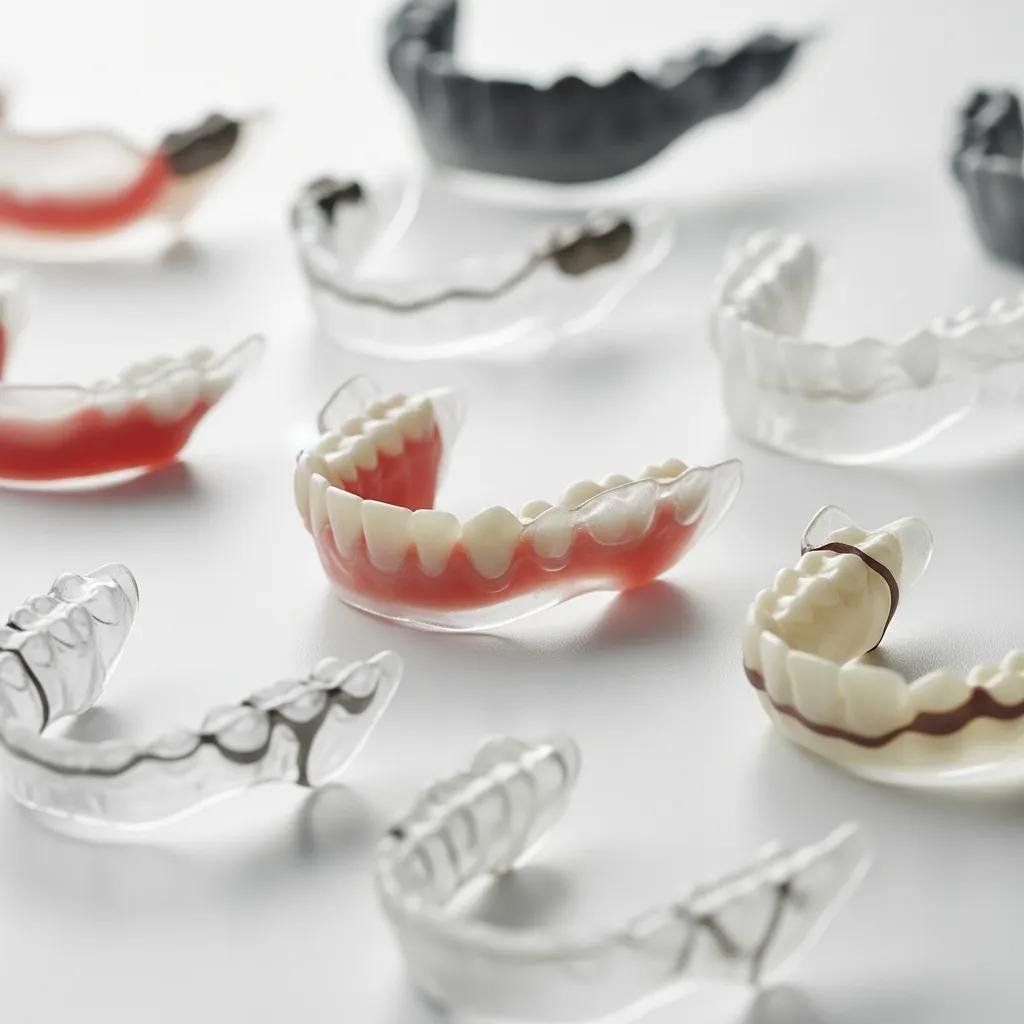
Dental appliances, including splints and night guards, reduce joint strain by improving jaw alignment and provide a protective buffer between upper and lower teeth, lowering pressure on the temporomandibular joint and reducing discomfort. For many patients, appliances are an effective conservative option.
| Treatment Option | Description | Effectiveness |
|---|---|---|
| Physical Therapy | Involves exercises to strengthen jaw muscles | High |
| Dental Appliances | Custom devices to realign the jaw | Moderate to High |
| Relaxation Techniques | Stress management strategies | Moderate |
This table summarizes common non-surgical TMJ treatments, their purpose, and relative effectiveness.
Research further identifies additional non-surgical modalities, such as pharmacotherapy and psychological counseling, which may complement the approaches described above.
Comprehensive Non-Surgical TMJ/TMD Treatment Options
The non-surgical treatment of temporomandibular disorders (TMD) is influenced by the treating clinician’s training and ideas about its aetiology. In this article, each of the non-surgical treatment modalities will be discussed separately; these include occlusal splints, physical therapy, pharmacotherapy, and psychological counseling.
Temporomandibular disorders. 2. Non‐surgical treatment, MF Dolwick, 1995
How Can Patients Manage TMJ-Related Anxiety During Treatment?
Addressing anxiety during TMJ care is important because it can affect adherence and recovery.
What Strategies Does Beautiful Smiles Ontario Use to Support Anxious Patients?
Beautiful Smiles Ontario uses individualized comfort measures, clear communication about procedures, and relaxation techniques to help patients feel comfortable during visits. These measures improve the clinical experience and support adherence to treatment.
How Does Anxiety Management Improve TMJ Treatment Outcomes?
Evidence shows anxiety management can enhance treatment results: calmer, well-informed patients follow care plans more closely and report greater symptom relief. A supportive clinical environment therefore contributes to better outcomes.
Why Choose Beautiful Smiles Ontario for TMJ/TMD Treatment?
Selecting an experienced clinic is essential for effective TMJ care. Beautiful Smiles Ontario is recognised for its patient-focused approach and range of conservative treatment options.
What Advanced Technologies Enhance TMJ Diagnosis and Care?
Beautiful Smiles Ontario employs advanced imaging and diagnostic tools to assess the temporomandibular joint accurately, supporting precise evaluation and tailored treatment plans. Technology integration helps ensure a high standard of care, and the role of advanced imaging in diagnosis and management is well described in clinical literature.
TMJ/TMD Diagnosis: Advanced Imaging Techniques
The diagnosis and management of temporomandibular disorders (TMD) require both clinical and imaging examinations of the temporomandibular joint (TMJ). A variety of modalities can be used to image the TMJ, including magnetic resonance imaging (MRI), computed tomography (CT), cone beam CT, ultrasonography, conventional radiography.
Imaging modalities for temporomandibular joint disorders: an update, LM Lenghel, 2018
How Do Patient Testimonials Reflect Treatment Effectiveness?
Patient testimonials report meaningful reductions in symptoms and improved daily function, helping prospective patients understand potential outcomes and build confidence in the clinic’s approach.
In summary, TMJ/TMD is a multifactorial condition that benefits from a comprehensive, conservative approach. With several non-surgical options available in Ontario, many patients can achieve symptom relief and improved quality of life. Beautiful Smiles Ontario provides advanced diagnostics and supportive care for those seeking effective TMJ treatment.
Frequently Asked Questions
What lifestyle changes can help alleviate TMJ symptoms?
Targeted lifestyle changes can reduce TMJ symptoms. Stress-reduction practices such as yoga or meditation often lessen jaw clenching and grinding. Maintaining good posture and avoiding hard or chewy foods reduces mechanical strain. Regularly performing jaw exercises as advised by a clinician can improve flexibility and strength. A combined focus on physical and mental health supports effective symptom management.
Are there any dietary recommendations for TMJ patients?
Dietary adjustments can help manage TMJ symptoms. Choose softer foods that require less chewing, such as smoothies, soups, and mashed vegetables. Avoid hard, crunchy, or very chewy items to limit jaw stress. Staying well hydrated and moderating caffeine and alcohol intake may reduce muscle tension. A nutritionist can provide personalized advice if needed.
How long does it typically take to see improvement with TMJ treatments?
Recovery timelines vary. Many patients notice some relief within a few weeks of beginning non-surgical therapies like physical therapy or using dental appliances. For chronic or complex cases, several months of consistent treatment may be required for significant improvement. Regular follow-up allows providers to monitor progress and adjust plans for optimal results.
Can TMJ disorder lead to other health issues?
Untreated TMJ disorder can affect more than the jaw. Chronic pain may impair sleep and reduce overall wellbeing. TMJ dysfunction can contribute to headaches, neck pain, and ear symptoms such as tinnitus. Persistent pain and related stress can also impact mental health. Early assessment and comprehensive care help prevent these complications.
What should I expect during my first visit for TMJ treatment?
Your first visit will include a detailed medical history, discussion of symptoms, and a clinical examination of the jaw and facial muscles. The provider may recommend advanced imaging to evaluate the temporomandibular joint more precisely. Based on findings, the clinician will outline appropriate treatment options and explain the care plan so you understand the steps ahead.
Are there any risks associated with TMJ treatments?
Most non-surgical TMJ therapies are safe but can have side effects. Physical therapy may cause temporary soreness as muscles adapt. Dental appliances can produce initial tooth sensitivity or mild discomfort. It is important to report any concerns to your provider so they can adjust treatment and manage risks to achieve the best possible outcome.
Achieve Lasting TMJ Relief with Non-Surgical Treatments in Ontario
Effective relief for TMJ disorder in Ontario is attainable through a range of non-surgical treatments tailored to individual needs. Beautiful Smiles Ontario combines advanced diagnostics with a patient-centered care model to support recovery and comfort. By addressing both physical symptoms and treatment-related anxiety, patients can meaningfully improve their quality of life. To begin care, schedule a consultation with our expert team.