The Importance of Flossing for Gum Health & Cleanliness
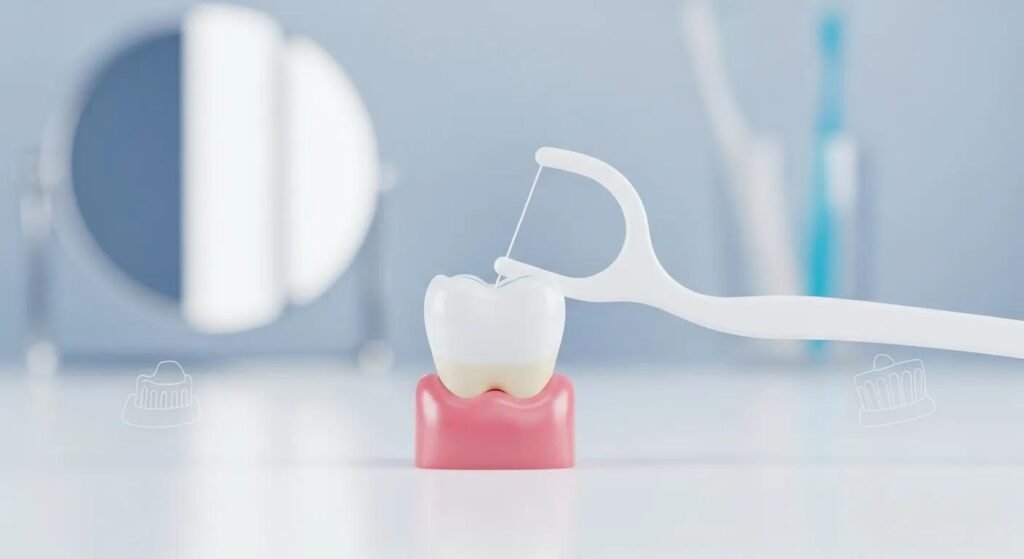
Flossing: Key to Healthy Gums
Flossing is an essential part of oral hygiene that removes trapped food and interdental plaque to protect gums and teeth. When done correctly and regularly, it helps prevent gingivitis and periodontal disease. This article summarises flossing benefits, proper technique, recommended frequency, and how flossing complements broader oral care so you can maintain better oral health.
What Are the Key Benefits of Flossing for Gum Health?
Regular flossing supports gum health and overall oral hygiene by addressing plaque and irritation where a toothbrush cannot reach.
- Reduction of Gingival Bleeding: Regular flossing reduces gum bleeding, a common early sign of gum disease.
- Improved Circulation in Gums: Gentle flossing stimulates gums and supports healthy blood flow.
- Plaque Control: Flossing removes interdental plaque, lowering the risk of cavities and gum disease.
These benefits show why daily flossing is recommended. Beautiful Smile Ontario emphasises preventive care and correct technique to help patients keep gums healthy.
How Does Flossing Prevent Gum Disease and Reduce Dental Plaque?
Flossing clears food particles and plaque between teeth that, if left, cause inflammation (gingivitis) and infection. Regular flossing lowers plaque levels and inflammation, reducing the risk of progressive gum disease. It remains a primary mechanical method for interdental plaque control.
Flossing as a Mechanical Plaque Control Method
The various methods for plaque control include mechanical plaque control methods which comprises use of toothbrushes, flosses, interdental brushes, and chemical plaque control which includes mouthwashes, dentrifices. The need for the study was to prove the efficacy of flossing in children using gumchucks.
Comparison of plaque removal efficacy of a novel flossing agent with the conventional floss: a clinical study, SDP Kiran, 2018
What Recent Studies Support Flossing's Effectiveness?
Clinical studies consistently show that people who floss regularly experience less gingival bleeding and better plaque control than those who do not. Proper technique amplifies these benefits, and comparisons of flossing tools find different strengths for different needs.
Overall evidence supports making flossing a daily habit as part of effective oral care.
Flossing Efficacy for Plaque Removal & Oral Hygiene
Flossing is an important oral hygiene skill adjacent to toothbrushing in plaque removal than brushing alone in children. Overall, there was a significant reduction in GI and PI after first use with children using GumChucks compared to SF floss.
Comparative assessment of the efficacy of the GumChucks flossing system and string floss for plaque removal in mentally disabled children: A randomized clinical trial, 2024
What Are the Proper Flossing Methods to Maintain Oral Hygiene?

Correct technique ensures you get the most benefit without harming gum tissue.
- Use About 18 Inches of Floss: Provides enough length to use a clean section between teeth.
- C-Shape Technique: Curve the floss around each tooth to clean the side of the tooth and under the gumline.
- Gentle Movements: Move the floss slowly and avoid snapping to prevent gum injury.
These simple habits make flossing both safe and effective.
How Should You Perform Flossing Step-by-Step?
Follow these concise steps to floss effectively:
- Prepare the Floss Correctly: Use about 18 inches and wind the ends on your fingers to control the working length.
- Position the Floss Properly: Hold the floss taut and guide it gently between teeth to the gumline.
- Use a Clean Section for Each Tooth: Advance fresh floss as you move so you don’t transfer plaque.
Doing this consistently helps maintain healthier gums and cleaner interdental spaces.
Which Flossing Tools and Types Are Recommended?

Choose a tool that fits your needs and dexterity.
- Traditional Dental Floss: Effective for most interdental cleaning when used properly.
- Floss Picks: Convenient and easier for some people to handle, especially on the go.
- Water Flossers: Useful for braces, implants, or limited dexterity; can complement string flossing.
Selecting the right option improves daily compliance and outcomes.
How Often Should You Floss for Optimal Gum Cleanliness?
Floss at least once daily. Making flossing part of your routine reliably reduces plaque and helps prevent gum disease.
- Floss Daily for Best Results: Daily use is the most effective for prevention.
- Incorporate Flossing into Family Routines: Encourage everyone in the household to floss at the same time to build habit.
- Regular Dental Visits Are Essential: Professional cleanings complement home care and catch issues early.
Beautiful Smile Ontario recommends daily flossing plus routine check-ups for preventive care.
What Is the Recommended Daily Flossing Routine?
Use this simple routine as a daily habit:
- Floss Every Day: Preferably once daily, before or after brushing based on personal preference and comfort.
- Use Proper Technique: C-shape and gentle strokes are key.
- Be Gentle to Avoid Gum Damage: Slow, controlled motions protect tissue while removing plaque.
Consistent practice improves gum health and oral hygiene effectiveness.
Some studies also explore whether brushing before or after flossing yields better plaque removal.
Optimal Flossing Sequence for Plaque & Gum Disease Prevention
Dental plaque biofilm remaining on oral structures causes disease processes such as gingivitis, periodontitis, and dental caries. This study’s purpose was to determine which sequence of dental biofilm removal is more effective, toothbrushing followed by flossing or flossing followed by toothbrushing. Statistical analysis shows toothbrushing followed by flossing is more effective.
Toothbrushing and Flossing Sequence: The Most Effective Way to Reduce Dental Plaque Biofilm, 2024
How Can Dental Anxiety Affect Flossing Habits and How to Manage It?
Dental anxiety can reduce willingness to maintain regular oral hygiene, but it can be managed so flossing remains consistent.
- Open Communication with Dental Professionals: Tell your dentist about fears so they can offer support or alternatives.
- Relaxation Techniques: Use breathing or visualization to reduce anxiety before visits.
- Support Systems During Appointments: Bringing someone for support can make appointments less stressful.
Addressing anxiety helps maintain routine flossing and better long-term oral health.
How Does Flossing Fit into Overall Oral Hygiene Best Practices?
Flossing is a core component of comprehensive oral care and works alongside brushing and professional services.
- Flossing Reduces Plaque and Gingivitis: It targets interdental areas where plaque accumulates.
- Maintains Integrity of Oral Tissues: Healthy gums support teeth and oral structures.
- Supports Healing Processes: Reducing plaque and inflammation supports recovery of irritated gums.
Combined with brushing and regular dental visits, flossing helps maintain optimal oral health.
What Complementary Dental Care Services Support Gum Health?
Professional services enhance the benefit of daily flossing:
- Professional Dental Hygiene: Cleanings remove tartar and plaque in places floss may miss.
- Preventative Care: Sealants and fluoride can protect teeth and reduce future risk.
- Gum Disease Treatment: If disease is present, clinical treatment is necessary to restore health.
Combined care improves long-term oral outcomes.
How Can Patients Schedule Appointments to Enhance Preventive Care?
Scheduling preventive visits is straightforward and helps sustain oral health:
- Call the Office or Use:Contact Beautiful Smile Ontario to arrange an appointment.
- Prepare Necessary Information: Have insurance and medical history available for faster booking.
- Set Reminders for Appointments: Use a calendar or app to avoid missed visits.
These steps make preventive care easier to maintain.
Frequently Asked Questions
1. Can Flossing Help with Bad Breath?
Yes. Flossing removes trapped food and plaque that produce odours and contributes to fresher breath by supporting healthy gums.
2. Is Flossing Necessary if I Use a Water Flosser?
Water flossers remove debris and can reduce plaque, but they may not replace the mechanical contact of string floss for all users. Using both, when appropriate, offers broader cleaning—water flossers are especially helpful for braces and implants.
3. What Should I Do If My Gums Bleed When I Floss?
Bleeding often signals inflammation. Continue flossing gently rather than stopping, and consult your dentist if bleeding persists—they can check technique and recommend a cleaning or treatment.
4. Are There Specific Flossing Techniques for Children?
Yes. Children usually need help until they develop dexterity (around age 8). Floss picks, flavoured floss, and teaching the C-shape method make flossing easier and help establish lifelong habits.
5. How Can I Encourage My Family to Floss Regularly?
Use positive reinforcement, set a shared flossing time, offer small incentives for children, educate about benefits, and lead by example to build consistent habits.
6. What Are the Signs of Gum Disease to Watch For?
Look for swollen, red, or bleeding gums, persistent bad breath, receding gums, or pain when chewing. See a dental professional promptly if you notice these signs—early treatment prevents progression.
7. Can Flossing Help with Overall Health Beyond Oral Hygiene?
Yes. Gum disease is associated with systemic conditions such as heart disease and diabetes. Preventing gum disease through effective oral hygiene, including flossing, supports broader health.
Conclusion
Daily flossing is a simple, effective step to protect gums and prevent gum disease. By removing interdental plaque and reducing inflammation, flossing improves oral health and supports overall well‑being. Prioritise consistent, gentle technique and regular dental check-ups to keep your gums and teeth healthy.