Strategies to Alleviate Your Dental Anxiety

Effective Strategies to Alleviate Your Dental Anxiety
Dental anxiety is a common issue that affects many individuals, often stemming from fears related to pain, previous negative experiences, or the clinical environment itself. Understanding the underlying causes and symptoms of dental anxiety is crucial for both patients and dental professionals. This article will explore effective strategies to alleviate dental anxiety, focusing on behavioral techniques, relaxation exercises, and sedation options. By addressing these concerns, patients can achieve a more comfortable and positive dental experience. We will also discuss how Beautiful Smile Ontario, a dental practice dedicated to patient comfort, can assist in managing dental anxiety through various services.
What Are the Common Causes and Symptoms of Dental Anxiety?
Dental anxiety can arise from several factors, including fear of pain, previous negative experiences, and physical symptoms such as sweating and rapid heartbeat. Many individuals may have had traumatic encounters during dental visits, leading to a heightened sense of fear and anxiety. Recognizing these causes is the first step in addressing dental anxiety effectively.
Common symptoms include:
- Fear of Pain: Anticipating discomfort can lead to avoidance of dental care.
- Previous Negative Experiences: Past trauma can create lasting anxiety.
- Physical Symptoms: Symptoms like sweating, rapid heartbeat, and nausea can manifest during dental visits.
Understanding these causes and symptoms is essential for developing effective strategies to manage dental anxiety.
How Does Dental Anxiety Affect Patient Comfort and Care?
Dental anxiety significantly impacts patient comfort and care, often leading to avoidance of necessary dental treatments. Patients experiencing anxiety may struggle to communicate their fears, which can hinder the dentist’s ability to provide personalized treatment plans. Effective communication and the use of relaxation techniques can help alleviate anxiety and improve the overall patient experience.
Key impacts include:
- Personalized Treatment Plans: Tailoring care to address individual fears can enhance comfort.
- Importance of Communication: Open dialogue between patients and dentists fosters trust.
- Use of Relaxation Techniques: Techniques such as deep breathing can help calm nerves.
Beautiful Smile Ontario emphasizes patient comfort and trust, ensuring that each visit is as stress-free as possible.
Recognizing Signs of Dental Phobia for Better Management
Identifying signs of dental phobia is crucial for effective management. Patients may exhibit intense fear or anxiety, physical symptoms, or avoidance behavior when it comes to dental appointments. Recognizing these signs allows for timely intervention and support.
Signs to look for include:
- Intense Fear or Anxiety: Overwhelming dread about dental visits.
- Physical Symptoms: Symptoms such as trembling or sweating during appointments.
- Avoidance Behavior: Skipping dental appointments due to fear.
By recognizing these signs, dental professionals can implement strategies to help patients feel more at ease.
Which Behavioral Techniques Help Overcome Fear of Dental Procedures?
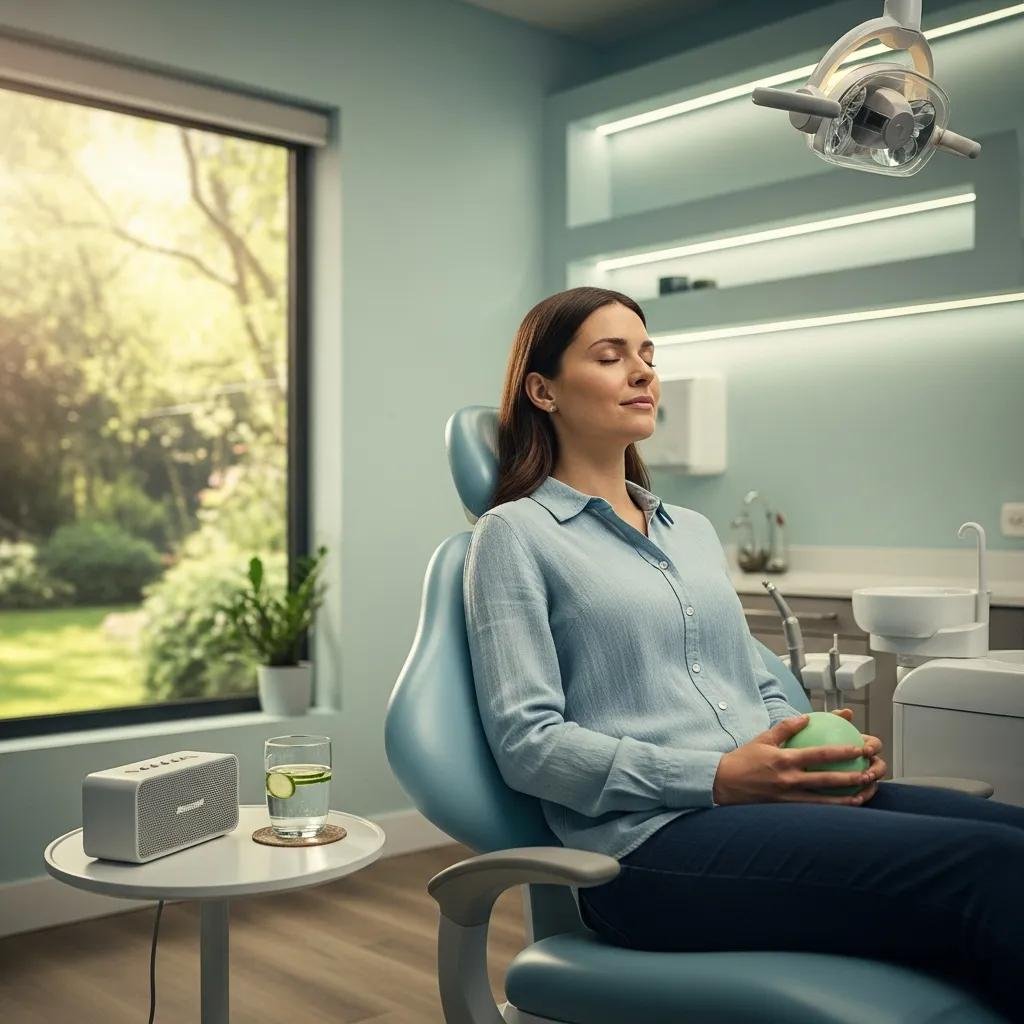
Behavioral techniques play a vital role in managing dental anxiety. These methods focus on changing negative thought patterns and promoting relaxation. Effective strategies include:
- Open Communication with the Dentist: Discussing fears can help demystify the process.
- Relaxation Techniques: Techniques such as deep breathing or visualization can reduce anxiety.
- Positive Affirmations: Encouraging self-talk can help shift focus from fear to calmness.
These techniques can empower patients to take control of their anxiety and improve their dental experiences.
How Can Relaxation Exercises Reduce Dental Anxiety?
Relaxation exercises are effective tools for reducing dental anxiety. Techniques such as deep breathing, listening to soothing music, and mindfulness meditation can help calm the mind and body before and during dental visits.
Key relaxation exercises include:
- Deep Breathing Exercises: Focusing on slow, deep breaths can help reduce tension.
- Listening to Soothing Music: Calming music can create a more pleasant environment.
- Mindfulness Meditation: Practicing mindfulness can help patients stay present and reduce anxiety.
Incorporating these exercises into pre-appointment routines can significantly enhance patient comfort.
The benefits of mindfulness meditation in reducing stress and anxiety during dental procedures have been demonstrated in clinical trials.
Mindfulness Meditation for Dental Anxiety Relief
Mindfulness meditation (MM) is often associated with high levels of relaxation in the form of increased parasympathetic tone and decreased sympathetic activity. We found that the MM resulted in significant decrease in BIS together with positive effects on hemodynamic parameters, psychological findings and biochemical outcomes. In conclusion, the results demonstrate that MM appeared to be a reliable strategy for managing stress during dental implant operation with benefits in psychological, physiological and biochemical outcomes.
The effect of mindfulness meditation on dental anxiety during implant surgery: a randomized controlled clinical trial, M Ozcan, 2023
What Role Does Cognitive Behavioral Therapy Play in Managing Dental Fear?
Cognitive Behavioral Therapy (CBT) is a powerful approach for managing dental anxiety. This therapeutic method focuses on identifying and changing negative thought patterns associated with dental visits. By addressing these thoughts, patients can develop healthier coping mechanisms.
Research supports the effectiveness of CBT in addressing dental anxiety, helping patients manage their fears and improve their dental experiences.
CBT for Dental Anxiety: Effective Behavioral Therapy
cognitivebehavior therapy and semi-automated behavior therapy are effective treatments for dental anxiety. overall levels of dental anxiety, of enabling anxious patients to manage their
Behavioral and cognitive-behavioral approaches to the reduction of dental anxiety, CR Glass, 1992
Key aspects of CBT include:
- Open Communication: Encouraging patients to express their fears openly.
- Tailored Treatment Plans: Developing strategies that cater to individual needs.
- Stress Management Techniques: Teaching patients how to manage anxiety effectively.
CBT can provide patients with the tools they need to confront their fears and improve their dental experiences.
What Sedation Dentistry Options Are Available to Ease Dental Anxiety?
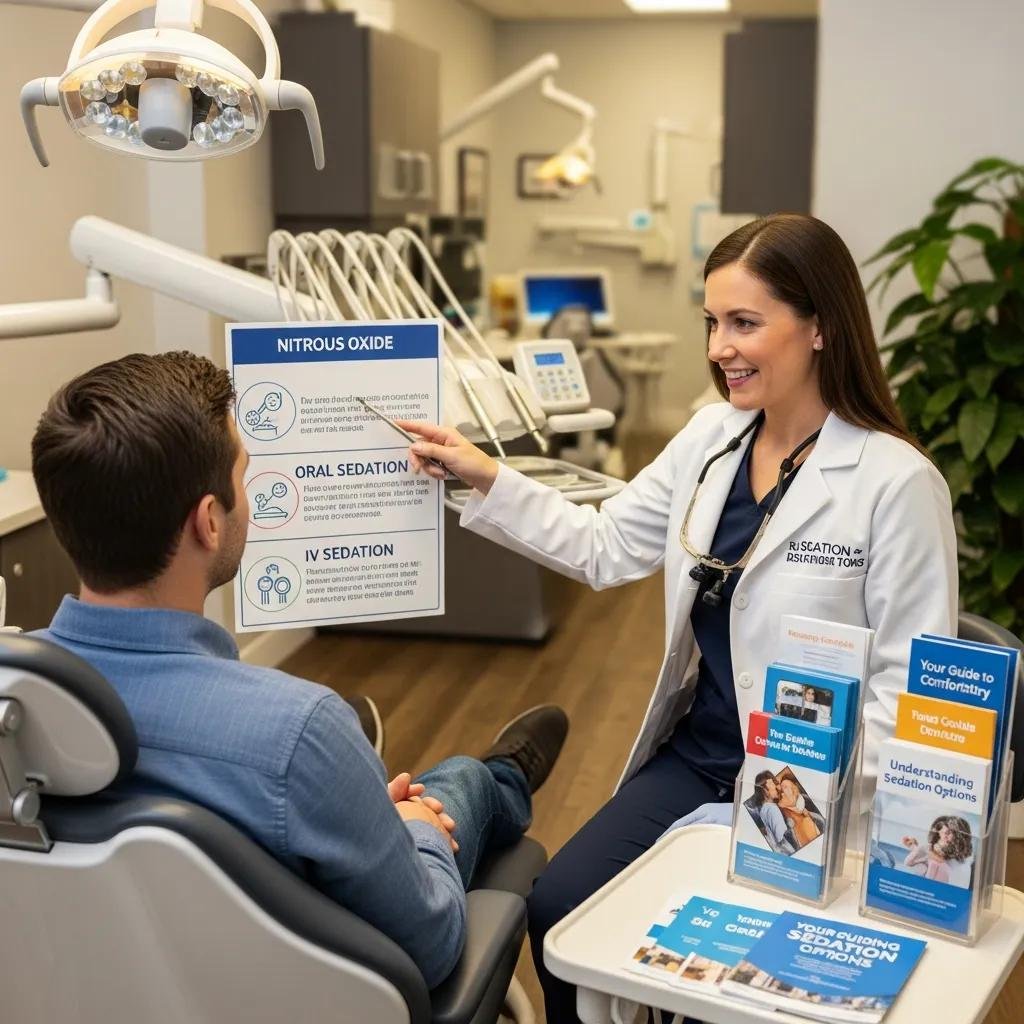
Sedation dentistry offers various options for patients struggling with dental anxiety. These methods can help create a more relaxed and comfortable experience during dental procedures. Common sedation options include:
- Conscious Sedation: Patients remain awake but relaxed.
- Oral Sedation: Medication is taken before the appointment to reduce anxiety.
- IV Sedation: Administered through an IV for deeper relaxation.
Studies have further explored the efficacy of conscious sedation techniques for managing dental anxiety during procedures like third molar extraction surgery.
Conscious Sedation for Dental Anxiety Management
Dental anxiety is a condition associated with avoidance of dental treatment and increased medical and surgical risks. This systematic review aims to summarize available evidence on conscious sedation techniques used for the management of Dental anxiety in patients scheduled for third molar extraction surgery, to identify best approaches and knowledge gaps.
Conscious sedation for the management of dental anxiety in third molar extraction surgery: a systematic review, M Melini, 2020
Beautiful Smile Ontario provides sedation options tailored to individual needs, ensuring a comfortable experience for all patients.
How Do Different Sedation Methods Compare in Safety and Effectiveness?
When considering sedation options, it’s essential to understand their safety and effectiveness. Each method has its benefits and potential risks, which should be discussed with a dental professional.
| Sedation Method | Effectiveness | Safety Considerations |
|---|---|---|
| Conscious Sedation | Moderate | Generally safe for most patients |
| Oral Sedation | High | Requires monitoring for side effects |
| IV Sedation | High | Best for extensive procedures, requires professional oversight |
This comparison highlights the importance of consulting with a dental professional to determine the most suitable sedation method for individual needs.
What Should Patients Expect During Sedation Dentistry Procedures?
Patients undergoing sedation dentistry can expect a thorough evaluation of their medical history and clear communication about the procedure. Understanding what to expect can alleviate anxiety and enhance comfort.
Key expectations include:
- Evaluation of Medical History: Ensuring safety during sedation.
- Clear Communication: Discussing the procedure and answering any questions.
- Post-Procedure Care: Instructions for recovery and aftercare.
Being informed about the process can help patients feel more at ease during their appointments.
How Can You Prepare for an Anxiety-Free Dental Visit?
Preparation is key to achieving an anxiety-free dental visit. Patients can take several steps to ensure a more comfortable experience.
Tips for preparation include:
- Communicate Fears: Discussing concerns with the dental team can help tailor the experience.
- Schedule Shorter Visits: Opting for shorter appointments can reduce anxiety.
- Practice Relaxation Techniques: Engaging in calming exercises before the visit can help.