
Sedation Dentistry for Comfortable Visits in Ontario, CA
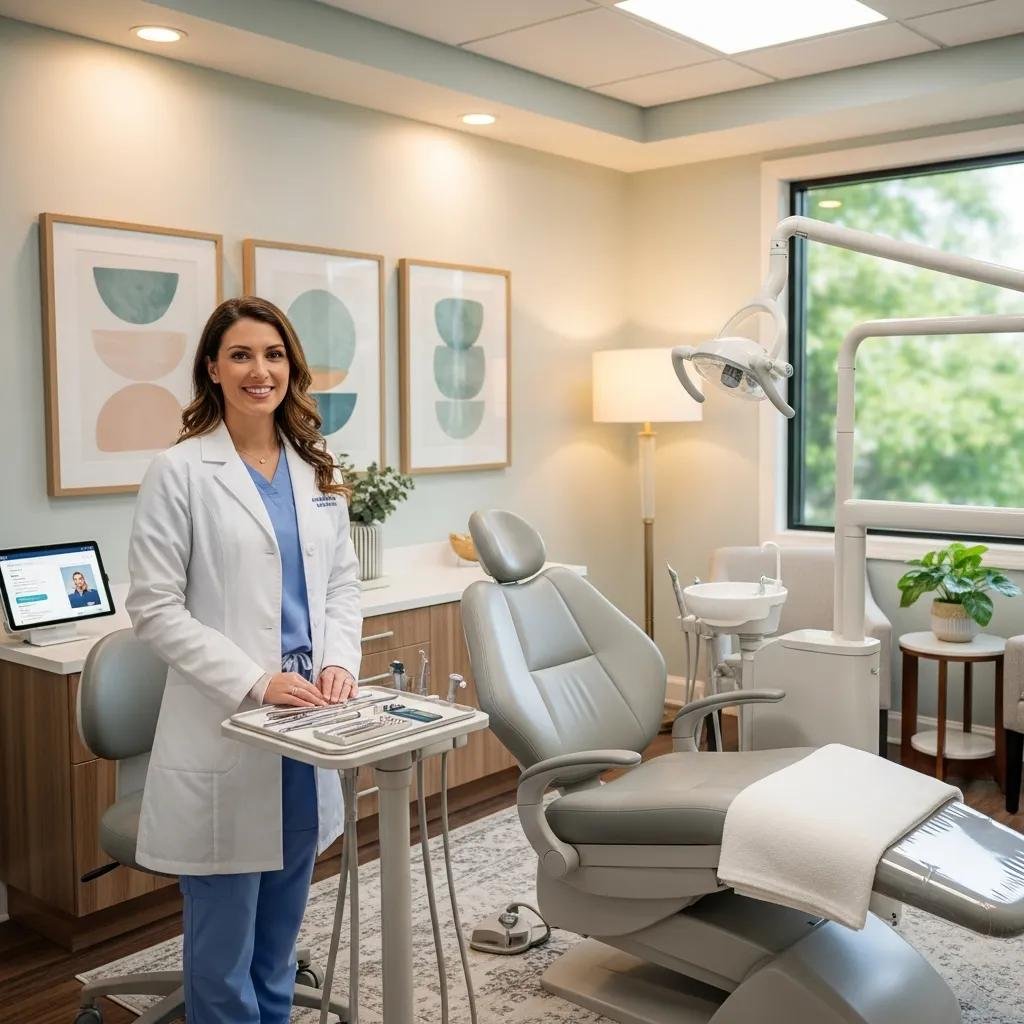
Comfortable Sedation Dentistry in Ontario
Sedation dentistry uses controlled medication and monitoring to reduce anxiety and discomfort during dental procedures. Dental anxiety can prevent many individuals from obtaining necessary care. This article reviews the sedation methods available in Ontario, CA, and explains how they improve comfort during treatment. It covers benefits for children and adults and outlines considerations for pricing and preparation so patients can make informed decisions and feel more at ease during visits.
What Are the Available Dental Sedation Methods in Ontario?
Dental practices in Ontario offer several sedation methods to improve patient comfort. Common options include oral sedation, IV sedation, and nitrous oxide. Each method has distinct benefits and suits different clinical needs and patient preferences.
Reviewing these options helps patients and clinicians select the most appropriate method for comfort and the planned treatment.
How Does Oral Sedation Help Manage Dental Anxiety?

Oral sedation involves taking a prescribed medication before the appointment to promote calm and reduce anxiety. Effects vary by medication and dose; many patients feel drowsy and less aware of their surroundings during treatment. Dentists tailor the regimen to each patient’s medical history and anxiety level to ensure a controlled, comfortable experience.
Research further underscores the role of conscious sedation techniques in managing dental anxiety for more involved procedures.
Conscious Sedation for Dental Anxiety Management
Dental anxiety is a condition associated with avoidance of dental treatment and increased medical and surgical risks. This systematic review aims to summarize available evidence on conscious sedation techniques used for the management of Dental anxiety in patients scheduled for third molar extraction surgery, to identify best approaches and knowledge gaps.
Conscious sedation for the management of dental anxiety in third molar extraction surgery: a systematic review, M Melini, 2020
What Are the Benefits of IV Sedation for Comfortable Treatments?
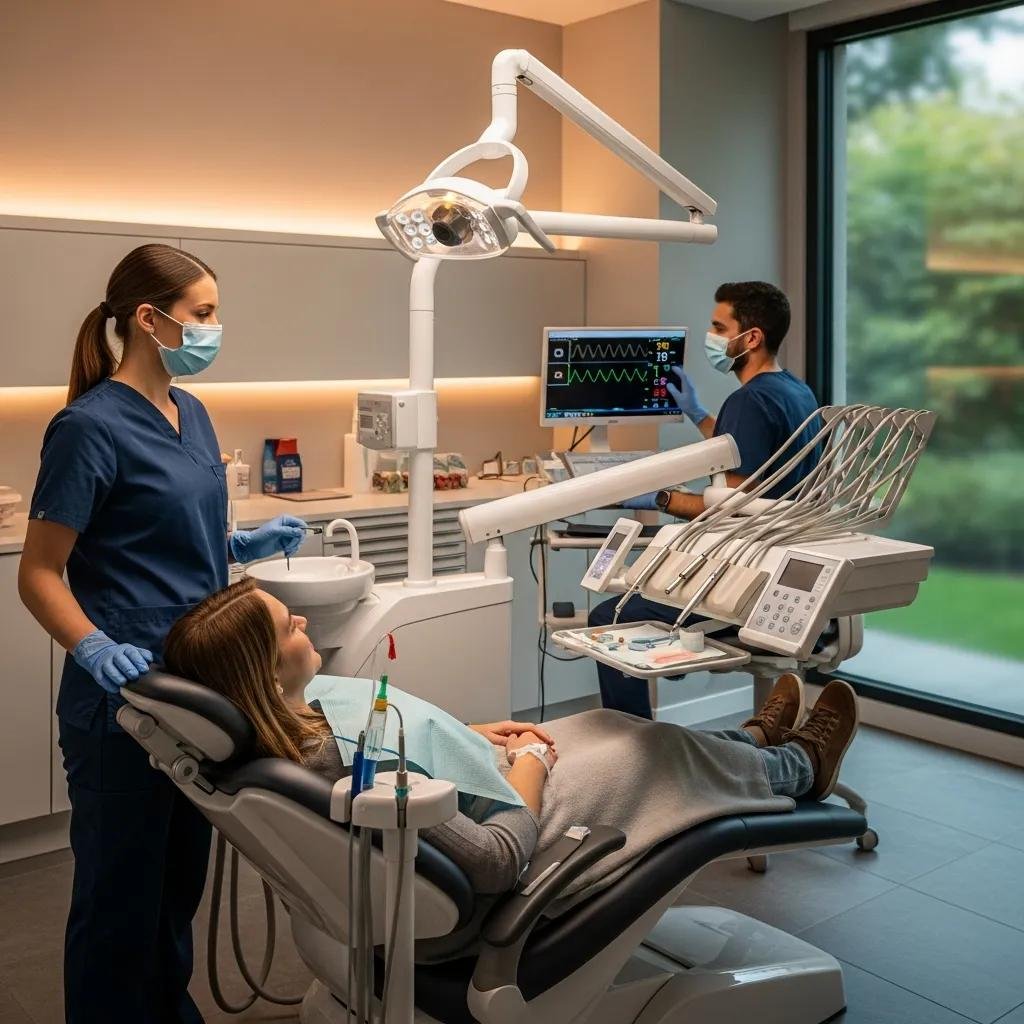
IV sedation produces a rapid onset since the sedative is delivered directly into the bloodstream. It often achieves deeper sedation and a marked reduction in anxiety and discomfort, facilitating more complex procedures. Continuous monitoring during treatment supports patient safety and comfort throughout the appointment.
Overcoming Dental Anxiety Through Sedation Dentistry
Sedation dentistry reduces dental anxiety by offering tailored sedation options plus supportive care that prioritize patient comfort, helping to decrease fear and improve the overall treatment experience.
What Techniques Are Used to Ensure Patient Comfort and Safety?
Practices use advanced monitoring equipment and strict sterilization protocols to maintain comfort and safety during sedation. Monitoring of vital signs, clear communication about the sedation process, and staff training to identify and manage complications create a controlled environment for treatment.
How Is Sedation Dentistry Tailored for Pediatric Patients?
Pediatric sedation dentistry is adapted to children’s needs. Providers use child-appropriate explanations and techniques, review medical histories carefully, and keep parents informed. This supportive approach helps children feel secure and reduces fear during visits.
Further studies have examined different sedation regimens and their effectiveness for pediatric dental procedures.
Pediatric Dental Sedation Regimens & Effectiveness
A comparison of four moderate sedation regimens for dental sedation in healthy children and the frequency of adverse events, effectiveness of the sedation among the four regimens. The failure rate for sedation (overall) was 15%.
A comparison of four sedation techniques for pediatric dental surgery, 2010
What Are the Advantages of Sedation Dentistry for Children and Adults?
Sedation offers multiple benefits for children and adults, including reduced dental anxiety, individualized care plans, and improved cooperation with treatment.
How Does Sedation Improve Treatment Compliance and Experience?
By reducing fear, sedation enables patients to complete necessary procedures with less distress. Many patients report a more positive experience when sedation is used, which increases satisfaction and encourages regular dental care, supporting long-term oral health.
What Recent Statistics Support Sedation Dentistry Effectiveness?
Recent studies report that sedation reduces anxiety and increases patient satisfaction. Many sedated patients feel more relaxed during procedures, and practices often observe higher treatment acceptance when sedation options are offered.
What Should Patients Know About Sedation Dentistry Pricing and Preparation in Ontario?
Costs for sedation dentistry vary with the sedation type and the procedure’s complexity. Patients should discuss fees and insurance coverage with their dental provider to understand expected expenses and plan accordingly.
How Is Sedation Dentistry Priced and What Insurance Options Are Available?
Fees typically reflect the sedation method and the procedure duration. Some dental insurance plans may cover part of the cost, so patients should verify coverage with their insurer. Speaking with the dental office will clarify expected charges and payment options.
What Are the Recommended Patient Preparation and Recovery Guidelines?
Preparation commonly includes fasting for a specified period before the appointment and arranging for a responsible adult to accompany the patient home after the procedure. Following these guidelines reduces risk and supports a safe recovery after sedation.
Frequently Asked Questions
What should I expect during a sedation dentistry appointment?
Patients can expect a pre-procedure consultation to review the chosen sedation method and address concerns. In the treatment room, the dental team will administer sedation and monitor vital signs throughout the procedure. Many patients feel relaxed and have limited recall of the treatment. The dentist will provide aftercare instructions and arrange follow-up if needed.
Are there any risks associated with sedation dentistry?
Sedation carries potential risks similar to other medical procedures, such as allergic reactions, respiratory complications, or issues related to existing health conditions. It is essential for patients to disclose their full medical history and current medications. The dental team is trained to manage adverse events and maintain patient safety during care.
How long do the effects of sedation last?
Duration varies by method. Nitrous oxide usually wears off quickly, allowing many patients to resume normal activities shortly after treatment. Oral and IV sedation may take several hours for full recovery. Patients should arrange transportation home, especially after deeper sedation, as they may feel drowsy or disoriented.
Can sedation dentistry be used for all types of dental procedures?
Sedation may be used for a wide range of procedures, from routine cleanings to more complex surgeries such as extractions or root canals. The choice depends on the procedure’s complexity and the patient’s anxiety level. Dentists will assess individual needs and recommend the appropriate option to ensure safety and comfort.
How can I find a sedation dentist in Ontario?
Search for practices that offer sedation dentistry, review patient testimonials, and ask for recommendations from family or friends. Confirm the dentist’s credentials in sedation techniques and schedule a consultation to discuss options and comfort measures.
What should I do if I have concerns about sedation dentistry?
Raise concerns during the initial consultation. The dentist will explain available sedation methods, safety protocols, and how they address specific anxieties. Providing your medical history and describing particular fears allows the team to tailor the approach for greater comfort.
Conclusion
Selecting sedation dentistry in Ontario can reduce anxiety and improve the treatment experience for both children and adults. Options such as oral, IV, and nitrous oxide let patients choose a method suited to their comfort and clinical needs. Understanding the benefits and preparation steps enables informed decisions about dental care. Consult a qualified dental professional to determine whether sedation is appropriate for you.