Diet and Oral Health: Foods for a Healthy Smile in Ontario, CA
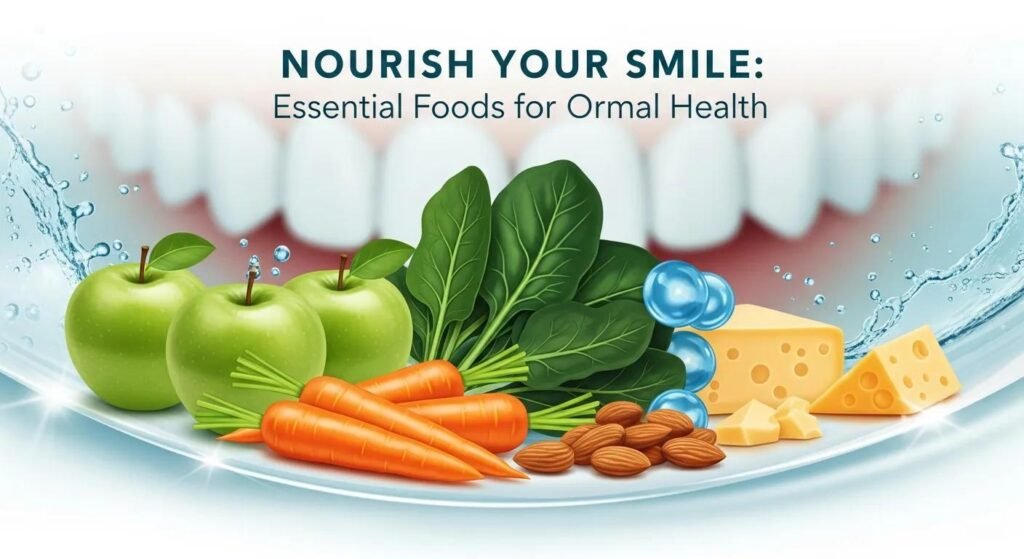
Nourish Your Smile: Essential Foods for Oral Health
Oral health is key to well‑being, and dietary choices influence the condition of your teeth and gums. This article explains how diet affects oral health and lists foods and nutrients that support dental wellness, items to limit, tooth‑friendly snack ideas, and hydration tips to help you make informed choices for a healthier mouth and smile.
Research consistently underscores nutrition’s central role in preventing common oral diseases and supporting dental wellness.
The Role of Nutrition in Promoting Oral Health
Oral diseases are a global problem for both children and adults and poor oral health is associated with other systemic diseases. The two most common oral diseases are dental caries and periodontal disease. Diet plays an important role in influencing the oral mucosa; cariogenic foods, such as fermentable carbohydrates, contribute to oral bacteria, which demineralize and erode the tooth enamel. Healthy dietary patterns have a protective effect on oral health. This chapter addresses the role of nutrition in the promotion of oral health.
Nutrition in oral health, 2016
Which Foods Strengthen Teeth and Support Oral Health?
Certain foods supply nutrients that support tooth structure and oral hygiene. Regularly including these items helps maintain a healthy smile and reduces dental risk.
- Fresh Fruits and Vegetables: Crunchy choices like apples and carrots help clean teeth and stimulate gums.
- Dairy Products: Yogurt and cheese provide calcium and vitamin D for strong teeth and bones.
- Foods Rich in Vitamins C and D: Citrus, leafy greens, and fatty fish support gum health and calcium absorption.
Research also highlights the specific benefits of various vegetables and their key nutrients for oral health.
Vegetables for Oral Health: Key Nutrients & Best Choices
Vegetables play a significant role in the human diet in that it provides vitamins and minerals vital to oral health. It was revealed that calcium and fluoride were the most influential nutrients, while grape leaves, parsley, and garlic ranked among the highest-performing vegetables, whereas iceberg lettuce and sweet onions were among the lowest. The present research offers an interpretable and replicable instrument to evaluate the dietary intake benefits of vegetables to oral health, and its possible uses in nutritional planning, preventive dentistry, and health recommendation systems by artificial intelligence.
Evaluating Vegetable Nutrition for Dental Health Maintenance Using an Orthopair Fuzzy Z-Number Decision-Making Model, OS Albahri, 2026
Beautiful Smiles Ontario offers services to support patients on their oral care journey.
What Nutrients Are Key for Maintaining Strong Teeth?

Key nutrients help keep teeth strong and gums healthy. Knowing these supports better dietary choices for dental outcomes.
| Nutrient | Source | Benefit |
|---|---|---|
| Calcium | Dairy products, leafy greens, nuts | Strengthens tooth enamel and bones |
| Vitamin D | Fatty fish, fortified foods | Aids in calcium absorption for stronger teeth |
| Vitamin C | Fruits and vegetables | Supports gum health and healing |
These nutrients work together, so including them in daily meals is important.
What Foods Should Be Avoided to Prevent Tooth Decay?
Certain foods raise the risk of tooth decay and other dental problems. Being aware helps protect oral health.
- Sugary Snacks and Beverages: High sugar fuels plaque and cavities, so limit these items.
- Processed Foods: Many contain added sugars and additives that can harm teeth.
- Acidic Foods: Excessive citrus or soda consumption can erode enamel.
Regular dental check‑ups help monitor oral health and address diet‑related issues. Professional care complements a balanced diet.
How Do Sugar and Acidic Foods Affect Dental Health?
Sugars feed oral bacteria that produce acid, demineralizing enamel and causing cavities. Acidic foods and drinks further weaken enamel, so moderating sugar and acid intake helps preserve tooth integrity and a healthier smile.
What Are Healthy Snack Options That Promote Oral Hygiene?

Choosing tooth‑friendly snacks supports oral health by aiding cleaning and providing nutrients.
- Crunchy Fruits and Vegetables: Apple slices and carrot sticks help clean teeth naturally.
- Nuts and Seeds: Provide nutrients and can help neutralize oral acids.
- Cheese: A calcium source that promotes saliva and protects teeth.
Which Local Ontario Foods Are Beneficial for Dental Care?
Locally available Ontario foods can support dental health when included regularly.
- Local Apples: High in fiber and water, they help clean teeth and stimulate gums.
- Leafy Greens: Spinach and kale provide calcium and vitamins.
- Local Dairy Products: Offer nutrients that support strong teeth and bones.
How Can Diet and Hydration Practices Enhance Oral Hygiene?
Diet and fluid intake underpin effective oral hygiene. A balanced diet supplies nutrients and proper hydration supports overall oral health.
- Saliva Production: Hydration maintains saliva, which neutralizes acids and clears food particles.
- Fluoridated Water Benefits: Fluoridated water can strengthen enamel and reduce cavities.
- Balanced Diet Importance: Vitamins and minerals support gum health and oral hygiene.
What Role Does Hydration Play in Supporting Saliva Production?
Adequate hydration preserves saliva production, which neutralises acids, removes debris, and delivers antimicrobial agents. Proper hydration lowers the risk of tooth decay and gum disease.
Understanding how diet and hydration affect oral health enables practical steps to preserve a healthy smile. Including nutrient‑rich foods and staying hydrated are key strategies for dental wellness.
Frequently Asked Questions
1. How does diet influence bad breath?
Diet affects halitosis. Strong‑odour foods like garlic and onions and very low‑carbohydrate diets can change breath. Adequate hydration and crunchy fruits or vegetables help saliva production, which cleans the mouth and reduces odour‑causing bacteria.
2. Are there specific foods that can help with gum health?
Yes. Vitamin C sources (oranges, strawberries, bell peppers) support gum healing. Omega‑3s in fatty fish reduce inflammation. Alongside good oral hygiene, these foods help lower gum disease risk.
3. What is the impact of hydration on oral health beyond saliva production?
Hydration keeps the mouth moist, prevents dry mouth, and helps wash away food particles and bacteria. Good hydration supports bodily functions that aid oral tissue health and infection control.
4. How can I improve my oral health with snacks?
Choose low‑sugar, nutrient‑dense snacks. Raw vegetables, nuts, and cheese mechanically clean teeth and supply vitamins and minerals; cheese also stimulates saliva that protects against cavities.
5. What role do probiotics play in oral health?
Probiotics can help balance the oral microbiome. Certain strains lower harmful bacteria linked to gum disease and cavities. Yogurt and fermented foods with probiotics can complement oral hygiene and diet.
6. Can certain beverages harm my teeth?
Yes. Sugary drinks and sweetened teas promote plaque and cavities; acidic drinks like citrus juices and sports drinks erode enamel. To protect teeth, limit these, prefer water or unsweetened drinks, and rinse with water after acidic or sugary beverages.
7. How often should I visit the dentist for optimal oral health?
Most people benefit from dental exams and professional cleanings about every six months. These visits help detect problems early and remove plaque and tartar. Those with specific concerns may need more frequent care; consult your dentist for a personalised schedule.
Conclusion
Optimal oral health is achievable through informed dietary choices that prioritise nutrient‑rich foods and adequate hydration. Including fresh fruits, vegetables, and dairy supports stronger teeth and overall dental wellness. Understanding how diet affects oral health empowers better decisions for a brighter smile. Explore our resources to learn more about enhancing your oral care routine.