
Dental Inlays and Onlays for Restorative Care in Ontario, CA
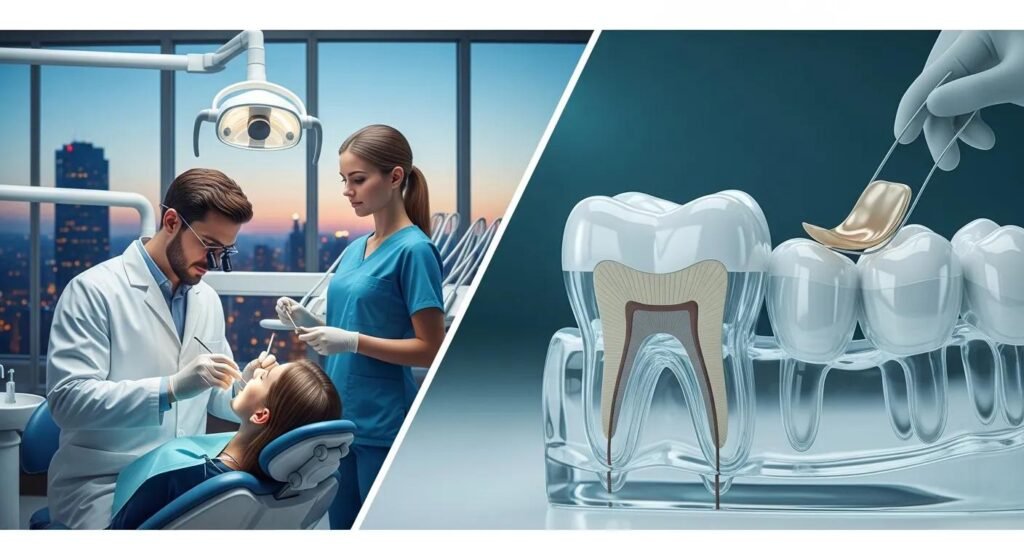
Mastering Dental Inlays & Onlays
Dental inlays and onlays are conservative restorations that repair damaged teeth while preserving natural tooth structure. Fabricated from ceramic or composite resin, they restore strength and blend with surrounding teeth. Ontario, CA residents can access these treatments. This guide summarizes definitions, benefits, procedures, and typical costs to help patients choose care options.
What Are Dental Inlays and Onlays?
Inlays and onlays are indirect restorations made outside the mouth and bonded into place. An inlay fits within the cusps of a tooth; an onlay extends over one or more cusps. Both restore function and shape and offer durable outcomes. Choice depends on the extent of damage and clinical need.
How Do Inlays and Onlays Preserve Tooth Structure?
These restorations are conservative alternatives to full crowns, requiring less tooth reduction. Their precise fit helps maintain tooth integrity and lowers the chance of recurrent decay, supporting long-term oral health.
This commitment to conserving tooth structure is supported by evidence-based restorative protocols.
Evidence-Based Inlay & Onlay Procedures
More than ever, tissue conservation dictates evidence-based update of clinical protocols and procedures for cavity preparation and restoration selection for bonded inlays and onlays.
Evidence-based concepts and procedures for bonded inlays and onlays. Part II.
Updated guidelines for cavity preparation and restoration fabrication, I Krejci, 2015
Ceramic vs Composite Materials Used in Inlays and Onlays
Ceramic offers strong wear resistance and excellent colour match for visible teeth. Composite resin is aesthetic and can be easier to repair. Material choice is guided by location, load, and the patient’s priorities.
What Are the Benefits of Dental Onlays for Restorative Care?

Onlays provide a conservative way to repair larger damage while retaining healthy tooth structure. They can restore function and blend with natural teeth for a pleasing appearance.
- Restoration of Function: Restores chewing and speaking ability.
- Prevention of Secondary Problems: Seals vulnerable areas to reduce future decay.
- Conservation of Natural Tooth Structure: Requires less reduction than crowns.
- Improved Aesthetics: Tooth-colored materials offer a natural look.
- Long-lasting Solution: Durable when cared for properly.
How Do Onlays Compare to Crowns in Tooth Preservation?
Onlays typically preserve more natural tissue because they cover only damaged areas instead of the entire tooth. This conservative approach supports longer-term tooth health in many cases.
Research consistently highlights greater tooth preservation with onlays compared with traditional crowns.
Onlays vs. Crowns: Tooth Structure Preservation
The outcome of teeth with MOD tooth structure loss restored with onlays appears to be less catastrophic than when restored with crowns.
Do onlays and crowns offer similar outcomes to posterior teeth with mesial‐occlusal‐distal preparations?
A systematic review, PL Michaud, 2024
| Feature | Onlays | Crowns |
|---|---|---|
| Tooth Coverage | Partial | Full |
| Tooth Reduction | Minimal | Significant |
| Preservation of Tooth Structure | High | Low |
| Aesthetic Appeal | Excellent | Good |
| Longevity | 10-15 years | 10-15 years |
Patient Comfort and Longevity of Onlay Restorations
Modern techniques and materials improve comfort during and after onlay placement. Many practices, including Beautiful Smile Ontario, use contemporary technology and sedation options to enhance the patient experience. With good oral hygiene, onlays provide reliable, long-term results.
Clinical studies report favourable long-term outcomes, especially for composite restorations.
Long-Term Success of Composite Inlays & Onlays
Indirect resin composite inlays and onlays showed acceptable long-term clinical results. The success rate of the restorations at 9-year follow-up was 85% and the failure rate was 15%.
Clinical longevity of indirect composite resin inlays and onlays: an up to 9-year prospective study, A Galiatsatos, 2022
How Is the Dental Inlay Procedure Performed in Ontario, CA?
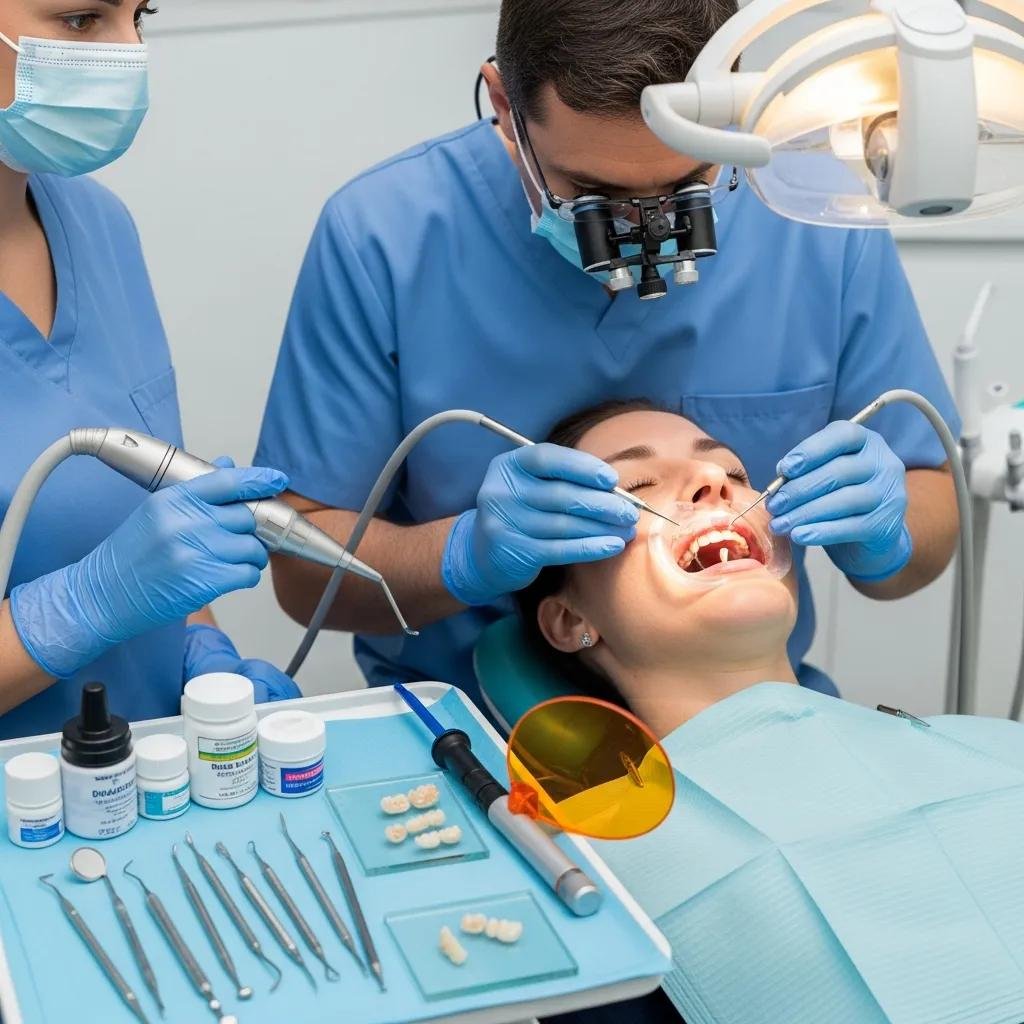
The inlay process begins with exam and diagnosis, followed by decay removal and tooth shaping. An impression is taken so a custom restoration fits precisely; the inlay is then bonded in a subsequent visit.
What Are the Step-by-Step Procedures for Inlay Placement?
- Initial Consultation: Evaluation and discussion of options.
- Tooth Preparation: Decay removed and tooth shaped for the inlay.
- Impression Taking: Mold taken to ensure an accurate fit.
- Temporary Restoration: A temporary may be placed while the permanent inlay is made.
- Final Placement: The custom inlay is bonded and adjusted for comfort and function.
How Does Beautiful Smiles Ontario Ensure Patient Comfort During Treatment?
Beautiful Smile Ontario prioritises comfort with local anesthesia, optional sedation for anxious patients, and clear communication to keep patients informed at every step.
What Are the Costs and Insurance Options for Dental Inlays in Ontario, CA?
Costs vary by material and complexity. Patients in Ontario, CA generally pay between $1,000 and $1,500 for an inlay. Discuss pricing and payment options with your dental provider.
How Much Do Dental Inlays Typically Cost in Ontario, CA?
Typical inlay cost in Ontario, CA ranges from $1,000 to $1,500, depending on material, extent of damage, and the practice’s fees. Ask your dentist for a tailored estimate.
Are Dental Inlays Covered by Insurance Plans?
Many dental plans cover inlays to varying degrees. Verify your policy and discuss potential out-of-pocket costs with the dental office before treatment.
Frequently Asked Questions
What is the difference between dental inlays and onlays?
An inlay fits within tooth cusps; an onlay covers one or more cusps. Onlays are used for larger repairs while inlays suit smaller internal restorations.
How long do dental inlays and onlays last?
They commonly last 10–15 years with good oral hygiene and regular dental check-ups; longevity depends on material, location, and care.
What are the potential risks or complications associated with dental inlays and onlays?
Risks include temporary sensitivity, possible loosening or failure over time, and rare material reactions. Follow post-treatment advice and report concerns promptly.
Can dental inlays and onlays be repaired if damaged?
Many can be repaired, especially composite restorations. Extensive damage may require replacement; routine exams help detect issues early.
Are there any dietary restrictions after getting dental inlays or onlays?
Avoid hard, sticky, or very chewy foods for at least 24 hours to allow bonding to set. If sensitivity occurs, avoid very hot or cold items briefly and follow your dentist’s instructions.
How can I maintain my dental inlays and onlays?
Maintain them with twice-daily brushing, daily flossing, routine dental visits, and avoiding habits like chewing hard objects or grinding teeth.
Conclusion
Inlays and onlays are effective, conservative options for restoring damaged teeth while preserving natural structure. They improve function and appearance and offer durable results when placed with appropriate materials and technique. Consult a qualified dentist to determine whether an inlay or onlay suits your needs.