Dental Implants: The Modern Solution for Tooth Replacement
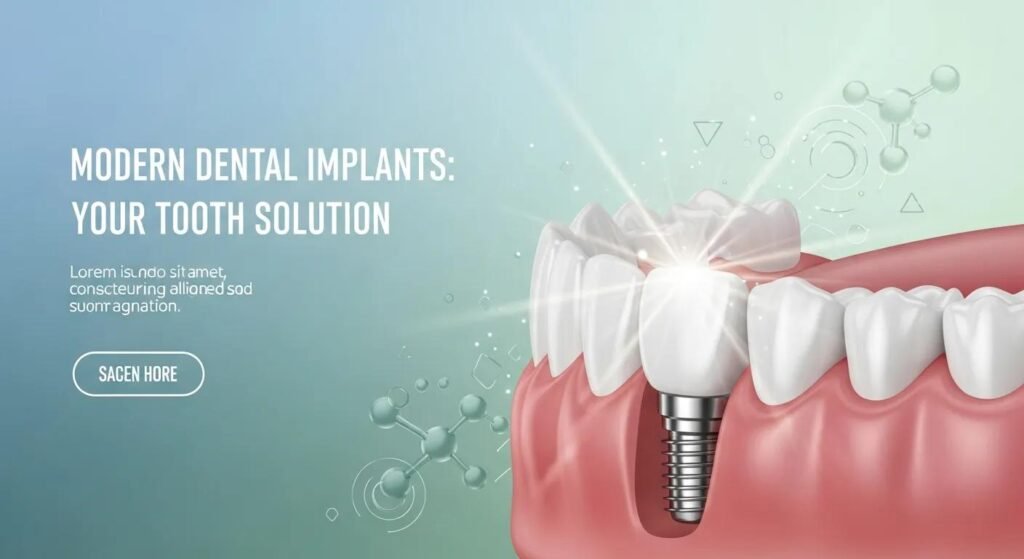
Modern Dental Implants: Your Tooth Solution
Dental implants provide a durable, long-term option for replacing missing teeth. Unlike dentures or bridges, implants create a permanent foundation for replacement teeth that look, feel, and function like natural teeth. This article summarizes the main benefits, the procedure steps, typical costs, and recovery expectations to help you decide about tooth replacement.
What Are the Key Benefits of Dental Implants for Tooth Replacement?
Dental implants offer clinical and functional advantages that make them a preferred replacement option.
- Natural Appearance: Implants are made to look and feel like natural teeth, improving the smile’s aesthetics.
- Stability: Anchored in the jawbone, implants stay secure and do not slip like some dentures.
- Bone Preservation: Implants stimulate bone and help limit the bone loss that follows tooth loss.
- Longevity: With good care, implants can last many years and are cost-effective over time.
- Comfort and Confidence: Most patients report better comfort and speech compared with removable dentures.
Clinical research supports measurable improvements in oral health and patient confidence after implant rehabilitation.
Dental Implants: Restoring Function, Esthetics, and Predictable Success
The goal of modern dentistry is to restore the patient to normal contour, function, comfort, esthetics, speech, and health, whether by removing caries from a tooth or replacing several teeth. What makes implant dentistry unique is the ability to achieve this goal, regardless of the atrophy, disease, or injury of the stomatognathic system. However, the more teeth a patient is missing, the more challenging this task becomes. As a result of continued research, diagnostic tools, treatment planning, implant designs, materials, and techniques, predictable success is now a reality for the rehabilitation of many challenging clinical situations.
Dental implants: a true life changing experience for a functionally compromised patient: a case report of a maxillary and mandibular rehabilitation with a dental …, 2020
Beautiful Smile Ontario provides comprehensive implant care with personalised treatment plans tailored to each patient’s needs and comfort.
How Do Dental Implants Improve Chewing Ability and Oral Health?

Implants replace the function of tooth roots, restoring chewing efficiency so patients can eat a wider range of foods with less discomfort. Functional implants also keep the jawbone stimulated, which helps preserve bone density.
Why Are Dental Implants Considered a Long-Term Solution Compared to Dentures?
Through osseointegration, implants bond with the jawbone to create a stable biological connection. This reduces the need for frequent adjustments and helps preserve nearby teeth and overall dental structure.
What Are the Essential Steps in the Dental Implant Procedure?
The process includes clinical assessment, surgical implant placement, and a healing phase for osseointegration.
- Free Consultation: An exam and review of medical history determine suitability for implants.
- Implant Placement: The implant is surgically placed into the jawbone as a replacement root.
- Healing Phase: A healing period follows to allow the implant to integrate with bone before final restoration.
How Is 3D Imaging Used in Planning Dental Implant Placement?
3D imaging evaluates bone volume and anatomy to guide optimal implant placement. Detailed models enable precise surgical planning, which improves integration success and reduces complications. MRI techniques are also being explored as a radiation-free planning option.
Radiation-Free MRI for Guided Dental Implant Planning
In this prospective study, a 0.4-mm isotropic, artifact-suppressed, 3T MRI protocol was used for implant planning and surgical guide production in participants in need of dental implants. Two dentists decided on treatment plan. Surgical guides were placed intraorally during a subsequent reference cone beam computed tomography (CBCT) scan. Inter-rater and inter-modality agreement were assessed by Cohen’s kappa. For each participant, dental MRI and CBCT datasets were co-registered to determine three-dimensional and angular deviations between planned and surgically guided implant positions.
Use of dental MRI for radiation-free guided dental implant planning: a prospective, in vivo study of accuracy and reliability, T Hilgenfeld, 2020
What Does the Osseointegration Process Involve During Implant Healing?
Osseointegration is the bone growth that locks the implant in place and is essential for stability and longevity. Healing varies by patient but commonly takes several weeks to a few months for full integration.
How Much Do Dental Implants Cost in Ontario and What Financing Options Are Available?
Implant costs in Ontario depend on clinical complexity, the number of implants, and the restoration type. Typical per-implant costs range from about $1,500 to $3,000.
- Starting Cost of Implants: The fee usually covers the implant, abutment, and crown.
- Flexible Financing Options: Many practices, including Beautiful Smile Ontario, offer financing to spread payments.
- Insurance Coverage: Some plans may cover part of the cost; clinics often help verify benefits.
What Factors Influence the Cost of Dental Implants in Ontario?
Cost varies by the number of implants, type of prosthetic restoration, and any preparatory procedures such as bone grafting.
- Number of Implants Needed: More implants raise the total cost.
- Type of Restoration Required: Crowns, bridges, and implant-supported dentures have different prices.
- Patient’s Oral Health Needs: Additional treatments (e.g., grafting) increase complexity and cost.
Are There Affordable Payment Plans or Insurance Coverage for Implants?
Many practices provide payment plans and work with external finance partners. Beautiful Smile Ontario offers in-office financing and assists with insurance eligibility to help patients access benefits.
What Is the Typical Recovery Timeline After Dental Implant Surgery?

Recovery varies, but typical expectations are consistent across patients.
- Healing Phase Duration: Most patients require about 3 to 6 months for osseointegration.
- Pain Management Strategies: Pain is managed with prescribed and over-the-counter medications as directed.
- Patient Experiences: Many report minimal discomfort and return to routine activities within days, while full integration continues over months.
How Is Pain Managed During Dental Implant Recovery?
Pain control is a standard part of care. Dentists use local anesthesia and commonly prescribe analgesics; clear aftercare instructions help manage post-operative symptoms effectively.
What Are Patient Experiences and Success Rates for Implant Healing?
Patient experiences are generally positive, with reported success rates commonly around 90%–95%. Most patients report improved function and aesthetics, boosting quality of life. Research continues to refine timing and placement strategies to enhance outcomes.
Immediate vs. Delayed Dental Implants: Patient Satisfaction & Quality of Life
This randomised controlled trial investigated whether immediate placement confers any advantage over delayed placement with respect to implant survival (primary outcome), peri-implant health, patient-reported satisfaction (VAS) and oral-health-related quality of life (OHIP-14).
Impact of Immediate vs Delayed Dental Implants on Survival, Patient Satisfaction, and Quality of Life, 2026
Frequently Asked Questions
What are the potential risks or complications associated with dental implants?
Complications can include infection, nerve injury, sinus issues, or implant failure from poor osseointegration. Smoking, poor oral hygiene, and certain medical conditions raise risks. Discuss your medical history with your dentist for proper assessment and planning.
How long does the dental implant procedure take from start to finish?
Timelines vary. Consultations are about an hour; surgical placement may take one to two hours. From initial consult to final crown, expect several months to allow for healing and osseointegration.
Can anyone get dental implants, or are there specific eligibility criteria?
Not all patients qualify. Ideal candidates have healthy gums, adequate bone, and good oral hygiene. Conditions such as uncontrolled diabetes can affect healing. A clinical evaluation determines candidacy and the need for preparatory procedures.
What types of dental implants are available?
Commonly, implants are endosteal (in-bone) or subperiosteal (on top of bone). Materials include titanium and zirconia; your clinician will explain options and suitability.
How do I care for my dental implants after placement?
Care mirrors natural teeth: brush twice daily, floss, attend regular check-ups, avoid tobacco, and follow dietary and aftercare guidance to support healing and long-term success.
What should I expect during the healing process after getting dental implants?
Expect some swelling, bruising, and mild discomfort managed with medication. The primary healing phase is typically 3 to 6 months while osseointegration occurs. Report any prolonged or severe symptoms to your dentist promptly.
Conclusion
Dental implants provide a stable, natural-looking solution for tooth replacement with benefits including bone preservation and improved function. Understanding the procedure, costs, and recovery helps you choose wisely. If you are considering implants, consult Beautiful Smile Ontario to find the best option to restore your smile and confidence.