Dental Fillings: What They Are and How They Work
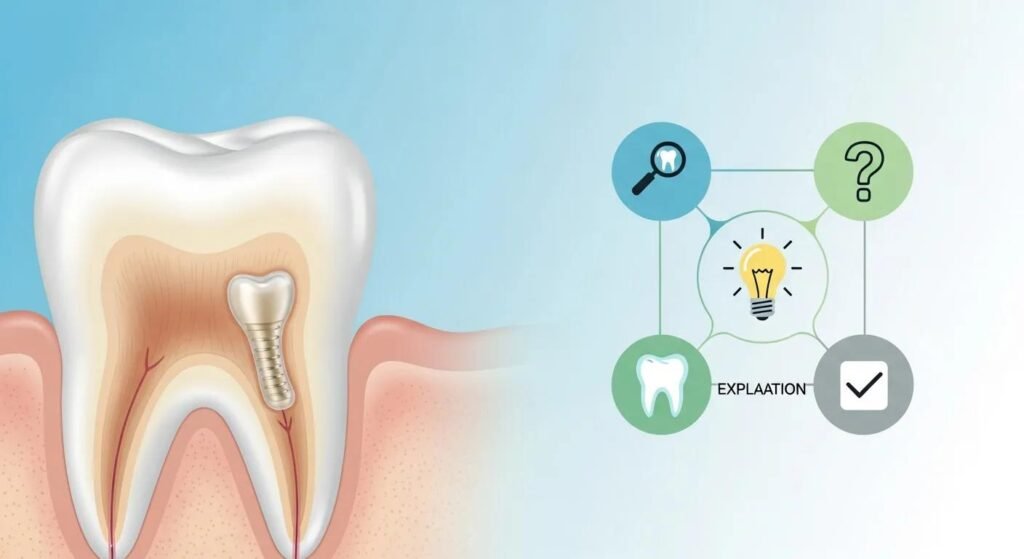
Dental Fillings Explained Simply
Dental fillings repair teeth damaged by decay or trauma by filling cavities where bacteria have eroded tooth structure. They restore function, stop further decay, relieve pain risk, and support long-term oral health. This article outlines common filling materials, the treatment process, typical longevity, and aftercare.
What Are Dental Fillings and Why Are They Important?
Fillings restore a tooth’s shape and function, reducing decay risk and infection. Early treatment relieves discomfort and helps preserve chewing and speech.
How Do Dental Fillings Treat Tooth Decay?
The dentist removes decayed tissue, seals the cavity with the chosen material, then shapes and polishes the restoration to match the tooth’s contours and function.
What Materials Are Used in Dental Fillings?

Materials include amalgam, composite resin, gold, and ceramic. Choice depends on tooth location, decay extent, aesthetics, and patient preference.
What Are the Common Types of Dental Fillings Available?
Multiple filling types address different clinical needs. Understanding these choices helps patients select the most appropriate option based on durability, appearance, and cost.
| Type | Material | Benefits |
|---|---|---|
| Amalgam Fillings | Metal mixture | Durable, cost-effective |
| Composite Fillings | Resin | Aesthetic, tooth-colored |
| Gold Fillings | Gold alloy | Long-lasting, strong |
| Ceramic Fillings | Porcelain | Aesthetic, resistant to staining |
What Are the Benefits and Considerations of Amalgam Fillings?
Amalgam is strong and cost-effective, suited to back teeth that endure heavy chewing. Its metallic look can be a drawback on visible surfaces. Although it contains mercury and has been reviewed, current evidence supports its safety for most patients.
Dental Amalgam: Composition, Mercury Release, and Health Concerns
Dental amalgam is a widely used restorative dental material that was introduced over 150 years ago. Most standard dental amalgam formulations contain approximately 50% elemental mercury. Experimental evidence consistently demonstrates that Hg0is released from dental amalgam restorations and is absorbed by the human body. Numerous studies report positive correlations between the number of dental amalgam restorations or surfaces and urine mercury concentrations in non-occupationally exposed individuals. Although of public concern, it is currently unclear what adverse health effects are caused by the levels of Hg0released from this restoration material. Historically, studies of occupationally exposed individuals have provided consistent information about the relationship between exposure to Hg0and adverse effects reflecting both nervous system and renal dysfunction. Workers are usually exposed to substantially higher Hg0levels than individuals with dental amalgam restorations and are typically exposed 8 hours per day for 20–30 years, whereas persons with dental amalgam restorations are exposed 24 hours per day over some portion of a lifetime. This review has uncovered no convincing evidence pointing to any adverse health effects that are attributable to dental amalgam restorations besides hypersensitivity in some individuals.
Longevity of dental amalgam in comparison to composite materials, 2008
Why Are Composite Resin Fillings Increasingly Preferred?
Composite resin fillings are selected for their ability to match natural tooth shade and for their adhesive bonding to tooth structure, which can reinforce the remaining tooth. Patients commonly choose composites for anterior or otherwise visible teeth. Composites may be less durable than amalgam for large restorations, so they are often preferred for smaller cavities.
How Is the Dental Filling Procedure Performed?

The filling procedure is generally straightforward and frequently completed in a single visit. It begins with a clinical assessment to determine the extent of decay and to discuss the most suitable filling material for the patient’s needs.
The clinician will administer local anaesthesia to ensure patient comfort. After the area is numb, the decayed tissue is removed and the cavity is prepared. The selected material is placed, contoured, and polished to restore the tooth’s appearance and function.
For patients seeking these services, Beautiful Smile Ontario provides comprehensive restorative care and can assist with appointment scheduling for filling treatments.
What Should Patients Expect During a Dental Filling Appointment?
Patients can expect a controlled and professional environment. Local anaesthesia is used to prevent pain during treatment. The dental team will explain each step and answer questions. Following placement, the dentist will give specific post-treatment instructions to support healing and restoration performance.
How Does Advanced Technology Enhance Patient Comfort and Treatment Quality?
Modern dental technologies improve diagnostic accuracy and patient comfort. Digital X-rays provide detailed imaging with lower radiation, intraoral cameras offer precise visualisation, and lasers can remove decay with reduced discomfort. These tools contribute to more predictable outcomes and a more comfortable experience.
How Long Do Dental Fillings Last and How Should They Be Maintained?
Filling longevity depends on the material and the patient’s oral care. Typical life spans are approximately 10–15 years for amalgam and 5–10 years for composite restorations. Regular dental examinations are important to monitor restorations and to address wear or failure early.
Ongoing research compares the durability and material properties of amalgam and composite restorations to inform clinical decision-making.
Amalgam vs. Composite Fillings: Materials and Longevity
Amalgam is an alloy of mercury and other metals and has been used in dentistry for more than one hundred and fifty years. Composites consist of a resin matrix and chemically bonded fillers. They have been used for about fifty years in front teeth. Amalgam has a long longevity; the further development of composites has also shown improvements regarding their longevity.
Longevity of dental amalgam in comparison to composite materials, 2008
What Are the Signs That Indicate You Need a Dental Filling?
Patients should recognise common indicators that a filling may be needed. These include increased sensitivity to hot or cold, visible holes or cracks in a tooth, and pain when chewing. Early assessment by a dentist will determine if a filling is appropriate.
What Are the Best Practices for Dental Filling Aftercare?
After receiving a filling, patients should follow proven aftercare steps to support the restoration:
- Avoid hard foods: Refrain from chewing hard foods for the first 24 hours to allow the filling to set properly.
- Maintain oral hygiene: Regular brushing and flossing help prevent further decay around the filling.
- Monitor for complications: Be alert for any signs of discomfort or changes in the filling, and contact your dentist if concerns arise.
Patients who understand filling options and care requirements can make informed decisions and protect their oral health. Beautiful Smile Ontario is committed to providing comprehensive dental care to meet individual needs.
Frequently Asked Questions
1. How can I tell if my dental filling needs to be replaced?
Indicators that a filling may require replacement include visible wear, cracks, chips, increased sensitivity, pain when chewing, or a rough edge on the restoration. Schedule an evaluation with your dentist so issues can be identified and addressed promptly.
2. Are there any risks associated with dental fillings?
Fillings are generally safe. Possible risks include allergic reactions to the material, temporary sensitivity after placement, or the restoration becoming loose. Rarely, discomfort may result from an improperly adjusted filling. Discuss any concerns with your dentist for appropriate management.
3. Can I eat after getting a dental filling?
It is advisable to avoid hard or sticky foods for at least 24 hours after certain types of fillings to allow them to set. Soft foods and liquids are typically safe immediately, but exercise caution with very hot or cold items if your tooth feels sensitive.
4. How do I choose the right type of filling for my needs?
Selecting a filling depends on the cavity location, budget, and aesthetic priorities. Amalgam is durable and cost-effective for back teeth; composite is tooth-coloured and preferred for visible areas. Discuss options with your dentist to determine the best choice for your situation.
5. What should I do if I experience pain after getting a filling?
Contact your dentist if pain persists after a filling. Ongoing pain may indicate that the restoration is too high when biting, or that an underlying issue such as infection exists. The dentist can evaluate and make necessary adjustments or provide further treatment.
6. How often should I have my fillings checked?
Have your fillings inspected at least once a year during routine dental examinations. Regular assessments allow the dental team to detect wear or failure early and to plan timely interventions.
7. Are there alternatives to traditional dental fillings?
Alternatives include crowns, inlays, and onlays for larger or more damaged teeth. Preventive options such as fluoride varnishes or sealants may also be recommended. Your dentist can advise on the most appropriate approach for your dental needs.
Conclusion
Understanding dental fillings supports informed decisions and helps maintain oral health. Options such as amalgam, composite, gold, and ceramic offer different balances of durability and aesthetics. Regular check-ups and proper aftercare extend restoration life and support a healthy smile. For personalised care and to review your filling options, schedule an appointment with Beautiful Smile Ontario.