
Custom Dental Crowns for Damaged Teeth in Ontario, CA
Custom Dental Crowns in Ontario
Dental crowns restore damaged teeth, improving function and appearance. In Ontario, CA, custom crowns fit over teeth to provide durable, natural-looking restorations. This article summarizes the procedure, crown types, typical costs, and care to help you decide on treatment.
What Is the Dental Crown Procedure in Ontario, CA?
A dentist evaluates the damaged tooth and, if needed, prepares it for a crown. Steps typically include:
- Preparation: Tooth reshaped for a snug fit.
- Impression: A mold or digital scan records the tooth and bite.
- Temporary Crown: A temporary protects the tooth while the permanent crown is made.
- Placement: The permanent crown is adjusted and bonded into place.
These steps restore appearance and function. Beautiful Smile Ontario uses modern materials and techniques for reliable results.
How Are Custom Dental Crowns Designed and Placed?
Design starts with a consultation to choose material (porcelain, zirconia, etc.) and take precise impressions or scans.
At placement the temporary is removed, the crown adjusted, then bonded to ensure correct bite and function.
What Advanced Technologies Enhance Crown Procedures at Beautiful Smiles Ontario?
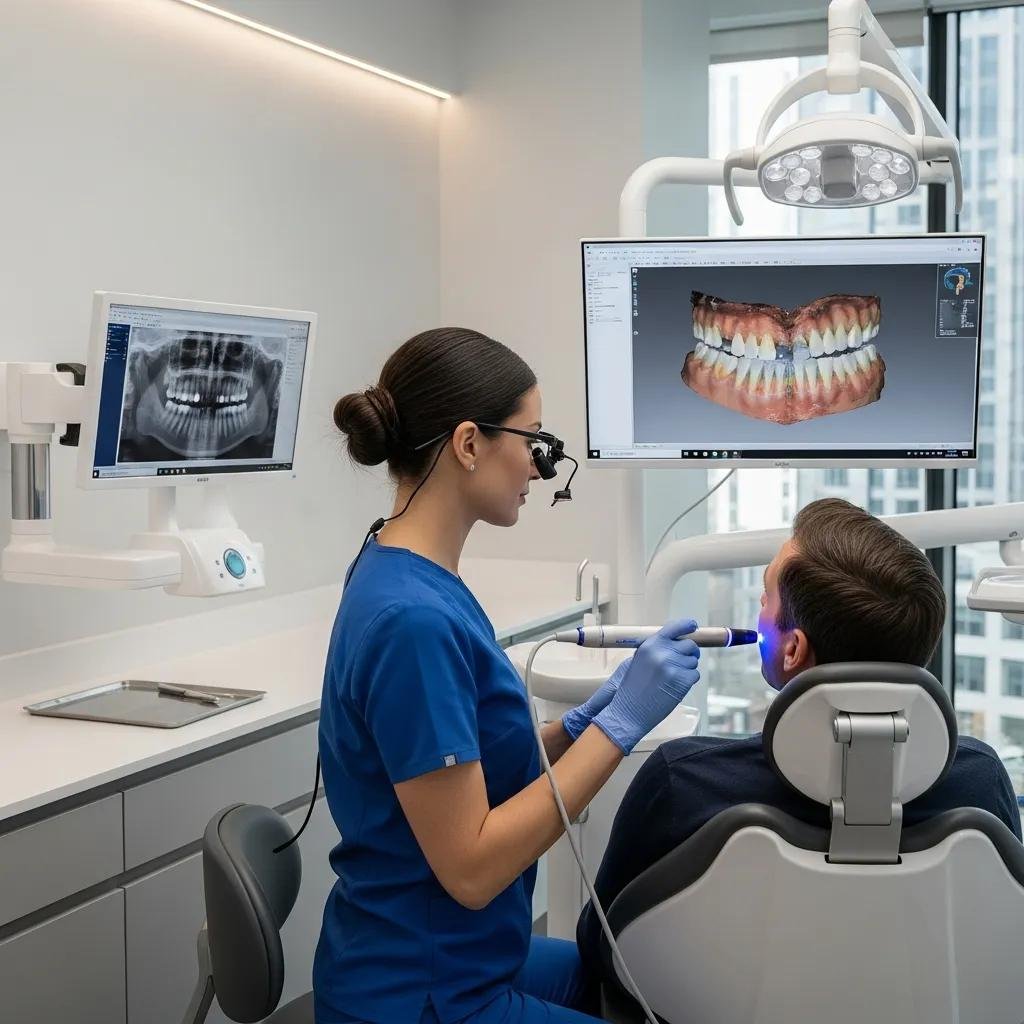
Beautiful Smiles Ontario uses digital X-rays, intraoral cameras, and lasers to improve precision and comfort.
- Digital X-rays: Provide clear diagnostic images.
- Intraoral Cameras: Show live images for better communication.
- Laser Dentistry: Reduces discomfort and speeds healing.
These tools make crown treatment faster and more predictable.
Which Types of Dental Crowns Are Available and What Are Their Benefits?
Common crown types include:
| Type | Material | Benefits |
|---|---|---|
| Porcelain Crowns | Porcelain | Aesthetically pleasing, matches natural tooth color |
| Zirconia Crowns | Zirconia | Highly durable, biocompatible, and resistant to wear |
| Metal Crowns | Gold or other metals | Strong and long-lasting, ideal for back teeth |
Choose based on appearance, strength, and location in the mouth.
What Are the Advantages of Porcelain Crowns for Damaged Teeth?
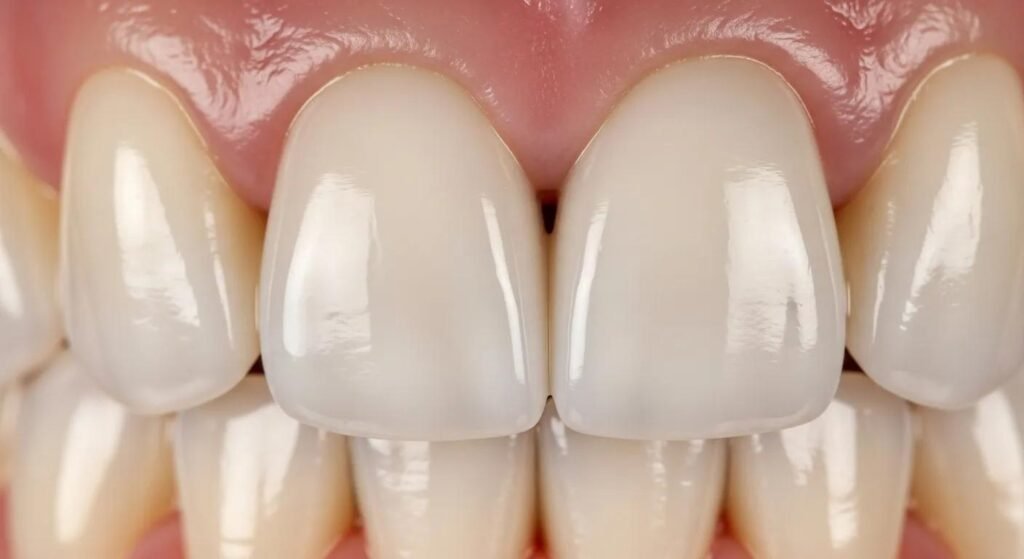
Porcelain crowns are preferred where looks matter.
- Aesthetic Appeal: Color-matched for a natural look.
- Strength and Durability: Strong enough for normal chewing.
- Customization Options: Shaped to the patient’s teeth.
Porcelain is common for front-tooth restorations.
How Do Same-Day Dental Crowns Improve Patient Experience in Ontario?
Same-day crowns let patients receive final restorations in one visit.
- Convenience for Patients: Single-visit treatment.
- Minimized Wait Times: On-site design and fabrication.
- Quality of Care: High-quality materials and fit.
This option suits patients needing quick, durable restorations.
What Are the Costs and Insurance Coverage Options for Dental Crowns in Ontario, CA?
Crowns in Ontario commonly range $1,000–$2,500 per tooth; cost varies by material and procedure complexity. Insurance often covers medically necessary crowns.
How Much Do Porcelain Crowns Typically Cost in Ontario?
Porcelain crowns sit near the top of the range because of their aesthetics and lab fees.
- Material Choice: Affects price.
- Laboratory Fees: Custom work adds cost.
- Dentist’s Expertise: Specialist fees may be higher.
Ask your provider about financing and insurance details.
Does Dental Insurance Cover Custom Crown Procedures?
Insurance varies; medically necessary crowns are typically covered while cosmetic procedures may be excluded.
- Medically Necessary Crowns: Usually covered.
- Elective Cosmetic Work: Coverage is limited or excluded.
Confirm benefits with your insurer before treatment.
How Can Patients Care for and Repair Their Dental Crowns?
Good care extends crown life. Follow these best practices:
- Regular Dental Visits: Monitor crowns and surrounding teeth.
- Brushing and Flossing Techniques: Brush twice daily and floss to prevent decay at margins.
- Avoiding Hard Foods: Avoid very hard or sticky items.
Prompt care and check-ups prevent complications.
What Are the Recommended Aftercare Practices for Dental Crowns?
After placement, use gentle brushing and avoid staining foods.
- Gentle Brushing: Use a soft-bristled brush around the crown.
- Avoiding Staining Foods: Limit coffee and red wine to reduce staining.
- Monitoring Sensitivity: Report prolonged sensitivity or pain.
Follow dentist instructions for any post-op issues.
When and How Should Dental Crown Repairs Be Addressed in Ontario?
Crowns may need repair after wear or trauma; regular exams catch problems early.
- Timing for Check-Ups: Regular exams help detect issues early.
- Repair Procedures: Small chips can be bonded; major damage may require replacement.
- Post-Operative Care: Follow instructions to ensure healing.
Address problems promptly to protect oral health.
Frequently Asked Questions
What Should I Expect During My First Dental Crown Consultation?
Expect an exam, X-rays, and a discussion of options, costs, and the treatment plan.
How Long Do Dental Crowns Typically Last?
Crowns typically last 5–15 years; material, location, and care affect longevity.
Are There Any Risks or Complications Associated with Dental Crowns?
Risks include sensitivity, temporary discomfort, or loosening; allergic reactions are rare.
Can I Get a Crown if I Have Gum Disease?
Treat gum disease before crown placement to ensure supporting tissues are healthy.
What Are the Differences Between Temporary and Permanent Crowns?
Temporaries protect during fabrication; permanent crowns are custom-made and longer lasting.
How Can I Choose the Right Material for My Dental Crown?
Choose material based on tooth position, appearance needs, and budget; discuss options with your dentist.
Conclusion
Custom crowns in Ontario restore function and appearance. Speak with Beautiful Smiles Ontario to review materials, cost, and care options to enhance your smile.